Unveiling the Mystique of Kyoto's Geisha District
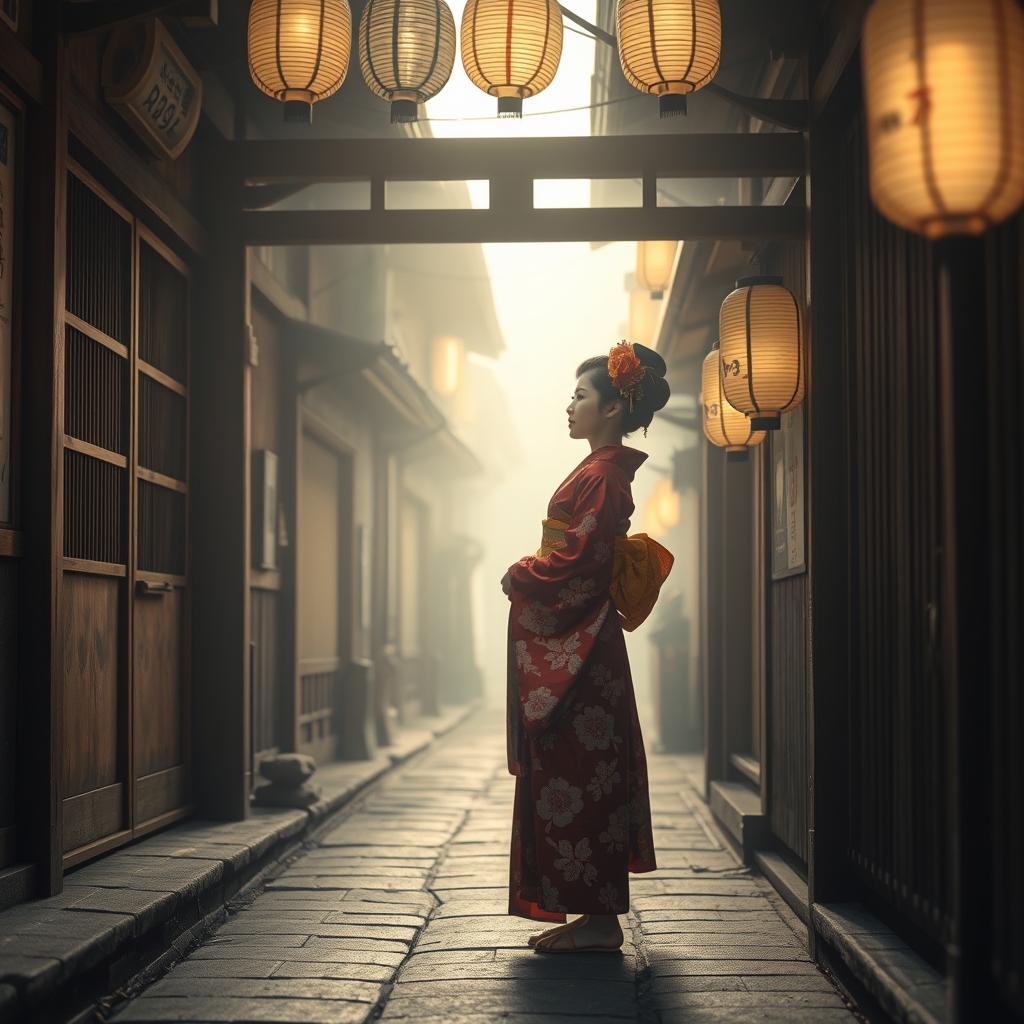
As I stepped into Kyoto's Geisha District, I couldn't help but feel a sense of excitement and curiosity. The narrow streets, lined with traditional Japanese architecture, seemed to whisper secrets of a bygone era. For centuries, this enchanting district has been shrouded in mystery, with the geisha culture at its core. The term "geisha" itself is often misunderstood, with many people assuming it refers to a prostitute or entertainer. However, the reality is far more complex and fascinating. A geisha is, in fact, a highly trained artist, skilled in the traditional Japanese arts of music, dance, and poetry.
The Geisha District, also known as Gion, is home to several traditional Japanese tea houses, where geisha and maiko (apprentice geisha) entertain guests with their captivating performances. These tea houses, or ochaya, are typically small, unassuming buildings that blend seamlessly into the surrounding architecture. It's easy to walk past one without even realizing it's there, which adds to the allure and exclusivity of the geisha world. To experience the magic of Gion, one must be invited to a tea house, or attend a traditional Japanese banquet, known as an ozashiki.
A Brief History of the Geisha Culture
The geisha culture has its roots in the 17th century, when Japan was ruled by the Tokugawa shogunate. During this time, the city of Kyoto was a hub of artistic and cultural expression, with many talented musicians, dancers, and poets. The geisha emerged as a unique blend of these artistic disciplines, with a focus on entertaining and captivating audiences. Over time, the geisha culture evolved and spread to other parts of Japan, with each region developing its own distinct style and traditions. Despite its rich history, the geisha culture has faced many challenges, including the decline of traditional Japanese arts and the rise of modern entertainment.
Today, the geisha culture is still thriving in Kyoto's Geisha District, with many young women pursuing the rigorous training and apprenticeship required to become a geisha. The training process typically begins at a young age, around 10 or 11, and can take up to 5 years to complete. During this time, the apprentice geisha, or maiko, learns the intricacies of traditional Japanese music, dance, and poetry, as well as the art of conversation and etiquette. The maiko also learns how to wear the traditional Japanese kimono, and how to style her hair and apply makeup in the traditional geisha manner.
Unveiling the Mystique of the Geisha
One of the most intriguing aspects of the geisha culture is the mystique that surrounds it. The geisha is often seen as an enigmatic figure, shrouded in secrecy and intrigue. This mystique is perpetuated by the geisha's elaborate costumes, intricate hairstyles, and flawless makeup. The geisha's traditional kimono, for example, is a work of art in itself, with intricate designs and patterns that reflect the seasons and the geisha's status. The geisha's hairstyle, known as the "wareshinobu," is also a key part of her traditional attire, with its elaborate pins and ornaments.
Despite the mystique that surrounds the geisha, the reality is that these women are highly skilled artists and entertainers. They are trained to captivate and enthrall their audiences, using a combination of music, dance, and conversation. The geisha's performances are highly choreographed, with every movement and gesture carefully planned and executed. The geisha's goal is to create a sense of wonder and enchantment, transporting her audience to a world of beauty and elegance. As I watched a geisha performance, I was struck by the sheer talent and dedication of these women, and the incredible beauty of the traditional Japanese arts.
Preserving the Geisha Tradition
As the world becomes increasingly modernized and globalized, there is a growing concern that traditional cultures like the geisha may be lost forever. However, in Kyoto's Geisha District, there are many efforts underway to preserve and promote the geisha tradition. The Japanese government, for example, has recognized the geisha culture as an important part of the country's cultural heritage, and has established programs to support and preserve it. Additionally, many private organizations and individuals are working to promote the geisha culture, through events, exhibitions, and educational programs.
I explored a related angle in Uncovering the Secrets of Pompeii if you want to keep pulling this thread.
As I left Kyoto's Geisha District, I felt grateful to have experienced a glimpse of this hidden world. The geisha culture is a unique and fascinating aspect of Japanese history and culture, and it is essential that we work to preserve and promote it for future generations. Whether you are interested in history, culture, or simply want to experience something new and exciting, Kyoto's Geisha District is a must-visit destination. With its rich history, stunning architecture, and captivating performances, this enchanting district is sure to leave you with unforgettable memories of Japan's hidden world.