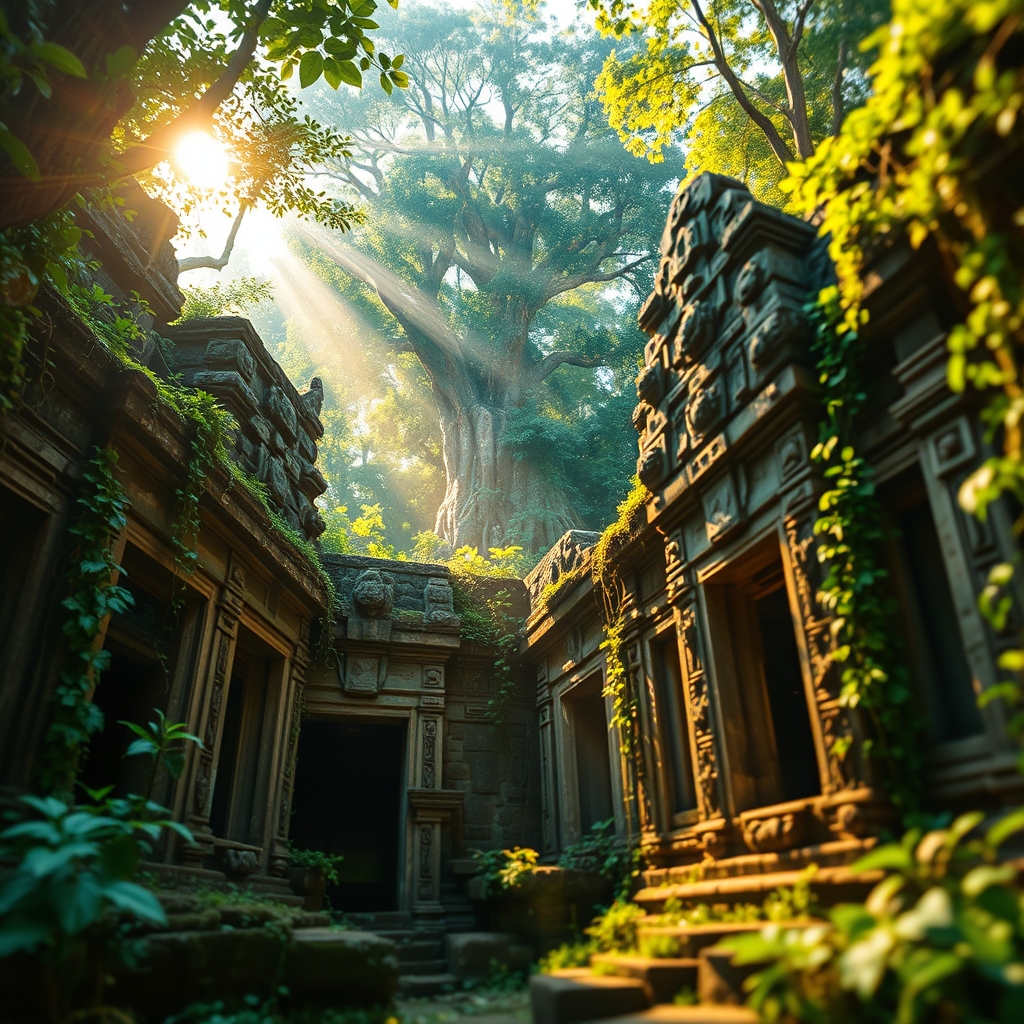
The Forgotten Libraries of Timbuktu
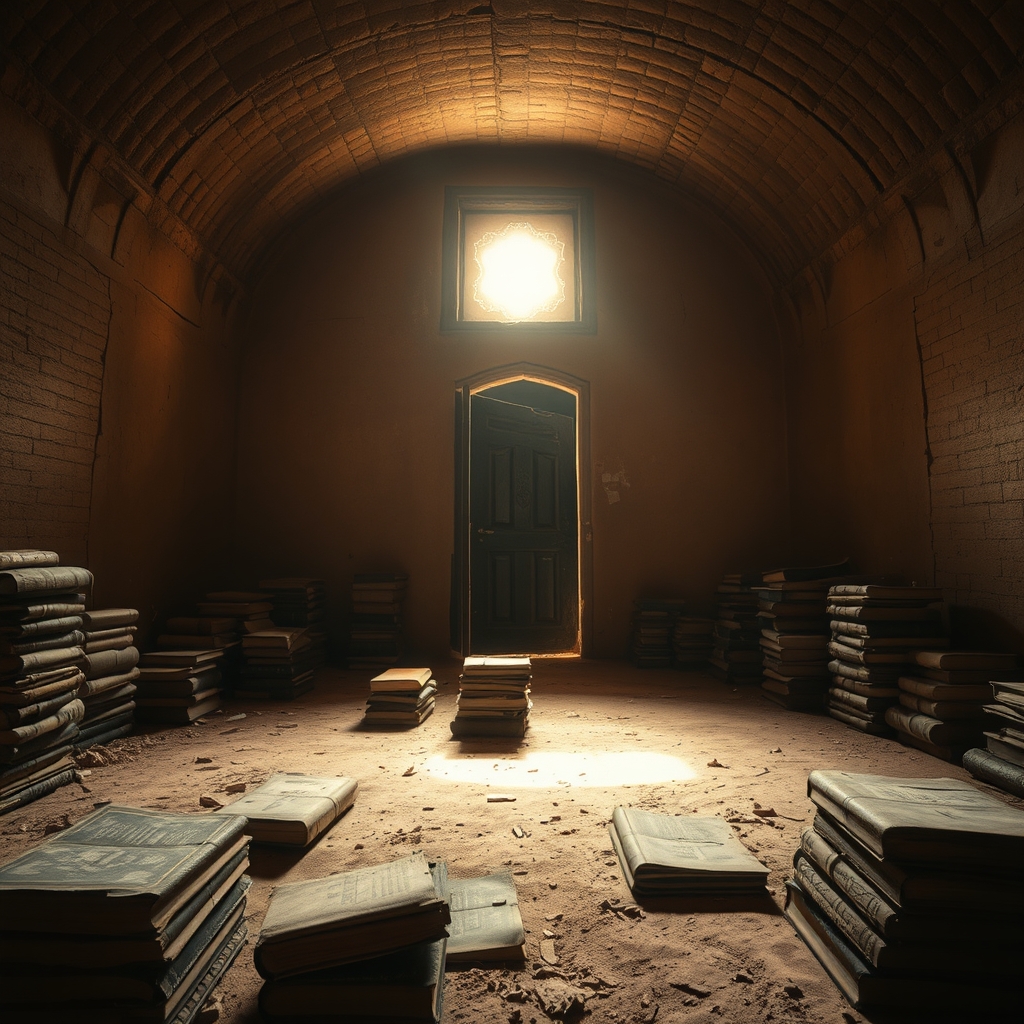
I still remember the first time I stumbled upon the forgotten libraries of Timbuktu. I was on a journey through the Sahara Desert, and the stories of ancient manuscripts and hidden knowledge had long fascinated me. As I walked through the dusty streets of this historic city, I couldn't help but feel a sense of excitement and curiosity. The libraries of Timbuktu are a treasure trove of ancient secrets, waiting to be uncovered and shared with the world. For centuries, these libraries have been a hub of learning and intellectual inquiry, attracting scholars and travelers from all over the world.
The history of the libraries of Timbuktu dates back to the 13th century, when the city was a major center of trade and commerce. The libraries were established by wealthy merchants and scholars, who sought to collect and preserve the knowledge of the ancient world. Over time, the libraries grew to include thousands of manuscripts, covering a wide range of subjects from astronomy and mathematics to medicine and philosophy. Many of these manuscripts are still intact today, offering a unique glimpse into the intellectual and cultural traditions of the past.
Uncovering the Past
As I delved deeper into the libraries of Timbuktu, I was struck by the sheer scale and diversity of the manuscripts. There were texts on astronomy, detailing the movements of the stars and planets, and manuscripts on medicine, describing the latest treatments and remedies. I also found texts on philosophy, exploring the nature of reality and the human condition. The manuscripts were written in a variety of languages, including Arabic, Hebrew, and Latin, reflecting the cultural and intellectual exchange that took place in Timbuktu during its heyday.
Despite their historical significance, the libraries of Timbuktu have faced numerous challenges over the years. Many of the manuscripts have been damaged or destroyed, due to factors such as war, drought, and neglect. In recent years, however, there has been a concerted effort to preserve and restore the libraries, with the help of international organizations and local communities. This effort has not only helped to safeguard the manuscripts but also to promote a greater understanding and appreciation of the cultural heritage of Timbuktu.
Promoting Cultural Heritage
The libraries of Timbuktu are not just a collection of ancient manuscripts; they are also a symbol of the city's rich cultural heritage. The libraries have played a significant role in promoting intellectual and cultural exchange, bringing together scholars and travelers from different parts of the world. Today, the libraries continue to inspire a new generation of scholars and researchers, who are working to uncover the secrets of the past and to promote a greater understanding of the cultural traditions of Timbuktu.
One of the most significant challenges facing the libraries of Timbuktu is the threat of extremism and cultural destruction. In recent years, there have been several incidents of manuscript destruction and library vandalism, carried out by extremist groups who seek to erase the cultural heritage of the city. However, the people of Timbuktu are resilient and determined to preserve their cultural heritage, and efforts are being made to protect the libraries and to promote a greater understanding of the city's rich history and culture.
A Lasting Legacy
As I reflect on my journey to the forgotten libraries of Timbuktu, I am reminded of the importance of preserving our cultural heritage. The libraries of Timbuktu are a testament to the power of knowledge and the importance of intellectual and cultural exchange. They offer a unique glimpse into the past, and provide a lasting legacy for future generations. As we work to preserve and promote the cultural heritage of Timbuktu, we are not only safeguarding the manuscripts and the libraries, but also the values of tolerance, intellectual curiosity, and cultural diversity that they represent.
I explored a related angle in Unveiling the Samurai Code if you want to keep pulling this thread.
In conclusion, the forgotten libraries of Timbuktu are a treasure trove of ancient secrets, waiting to be uncovered and shared with the world. They offer a unique glimpse into the intellectual and cultural traditions of the past, and provide a lasting legacy for future generations. As we work to preserve and promote the cultural heritage of Timbuktu, we are reminded of the importance of knowledge, intellectual curiosity, and cultural diversity, and the need to protect and safeguard these values for generations to come.