Uncovering the Secrets of Pompeii
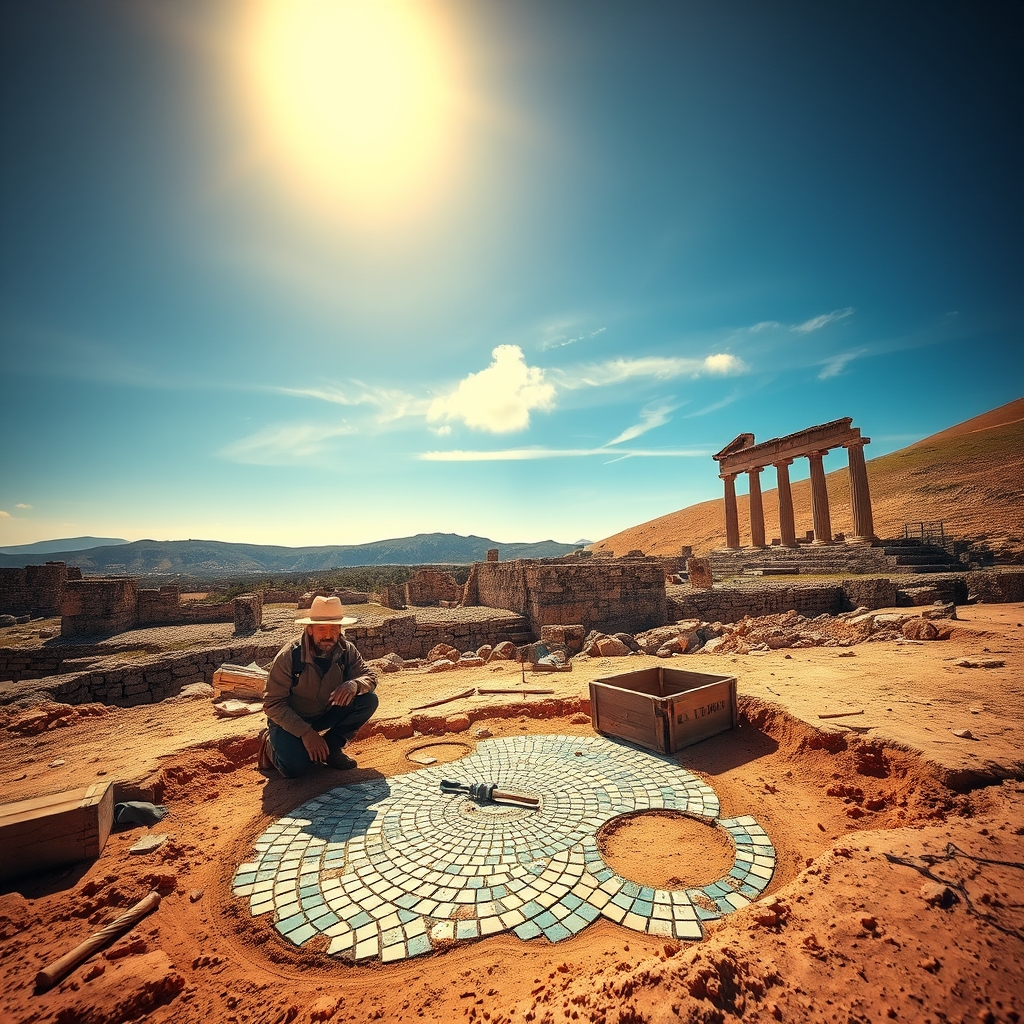
I've always been fascinated by the ancient city of Pompeii, and I'm not alone. For centuries, people have been drawn to this frozen snapshot of life in ancient Rome. The city's tragic fate, buried under volcanic ash and pumice when Mount Vesuvius erupted in 79 AD, has left us with a unique glimpse into the daily lives of its inhabitants. As I delved deeper into the history of Pompeii, I began to uncover the secrets that lie beneath its ruins. From the elaborate mosaics that adorn the floors of wealthy villas to the humble graffiti scrawled on the walls of ancient taverns, every aspect of Pompeii tells a story.
Life in Ancient Pompeii
Pompeii was a thriving Roman city, nestled in the shadow of Mount Vesuvius. Its strategic location made it an important center for trade and commerce, and its inhabitants enjoyed a relatively high standard of living. The city was filled with shops, restaurants, and public buildings, including a grand amphitheater that hosted gladiatorial contests and other events. As archaeologists have excavated the site, they've uncovered a wealth of artifacts that reveal the intricacies of daily life in Pompeii. From the food that people ate to the clothes they wore, every aspect of life in ancient Pompeii has been painstakingly reconstructed.
One of the most striking things about Pompeii is the way it seems to capture the essence of life in ancient Rome. The city's architecture, art, and even its graffiti all reflect the cultural and social norms of the time. For example, the elaborate mosaics that adorn the floors of wealthy villas depict scenes from mythology and everyday life, while the graffiti scrawled on the walls of ancient taverns reveals a more playful, irreverent side of ancient Roman culture. As I explored the ruins of Pompeii, I couldn't help but feel a sense of connection to the people who lived there, and a deep appreciation for the art and culture that they left behind.
Uncovering the Secrets of the Past
Despite being buried under volcanic ash for centuries, Pompeii remains an incredibly well-preserved archaeological site. The ash and pumice that rained down on the city during the eruption of Mount Vesuvius created a kind of protective shell, sealing in the artifacts and architecture of the city. As a result, archaeologists have been able to excavate a wealth of artifacts, from everyday objects like pots and pans to more elaborate treasures like jewelry and frescoes. These artifacts have helped to build a detailed picture of life in ancient Pompeii, and have even shed light on some of the city's most enduring mysteries.
For example, the plaster casts of the people who perished in the eruption have become one of the most iconic and haunting images of Pompeii. These casts, which were created by filling the voids left by the decomposed bodies with plaster, have allowed archaeologists to reconstruct the final moments of the people who lived in Pompeii. They've even been able to determine the cause of death for many of the victims, which has shed new light on the events surrounding the eruption. As I gazed upon these casts, I was struck by the sheer tragedy of the event, and the enduring power of the human spirit.
A Window into the Past
As I reflect on my journey through the ruins of Pompeii, I'm struck by the way the city seems to capture the essence of life in ancient Rome. From the grand architecture to the humblest artifacts, every aspect of Pompeii tells a story about the people who lived there. The city's tragic fate has left us with a unique glimpse into the daily lives of its inhabitants, and has shed light on some of the most enduring mysteries of the ancient world. As we continue to uncover the secrets of Pompeii, we're reminded of the power of history to captivate and inspire us, and of the enduring legacy of the people who lived in this ancient city.
I explored a related angle in The Forgotten Libraries of Timbuktu if you want to keep pulling this thread.
Today, Pompeii remains one of the most popular tourist destinations in the world, attracting millions of visitors each year. As people wander through the ruins, they're not just seeing a collection of ancient artifacts – they're experiencing a window into the past, a glimpse of life in ancient Rome that's both haunting and beautiful. Whether you're an archaeologist, a historian, or simply someone who's fascinated by the ancient world, Pompeii has something to offer. As I left the ruins behind, I couldn't help but feel grateful for the opportunity to explore this incredible city, and to uncover the secrets that lie beneath its ancient stones.