Why Umami Was Hidden From Western Cuisine for Centuries
This post contains affiliate links. If you purchase through them, I may earn a small commission at no extra cost to you.
The short answer: Western cuisine ignored umami for centuries because European colonial powers dismissed Asian fermented foods and flavor practices as inferior, creating a cultural bias that erased the fifth taste from mainstream Western cooking until Japanese scientist Kikunae Ikeda formally identified it in 1908.
What exactly is umami and why was it ignored in Western cooking?
Umami is the savory fifth taste—produced by glutamates and nucleotides like MSG—that creates the sensation of depth and satisfaction in food, yet Western chefs actively avoided or failed to recognize it for centuries because European culinary traditions prioritized acid, salt, and fat while dismissing Asian flavor-building techniques as exotic or inferior.
When most people think of taste, they imagine the four tastes: sweet, salty, sour, and bitter. But there's a fifth player at the table, hiding in plain sight for millennia—umami. The word itself comes from Japanese, meaning "pleasant taste" or "deliciousness," and it's the savory, mouth-filling sensation you get from a perfectly aged Parmesan cheese, a rich beef bone broth, or a spoonful of soy sauce.
The irony? Umami-rich foods have always been part of Western cuisine. Tomatoes, mushrooms, aged cheeses, cured meats, and slow-cooked stocks all contain high levels of glutamates and nucleotides that trigger umami receptors on the tongue. Yet for centuries, European chefs and food theorists never named it, never studied it, and never acknowledged it as a legitimate taste sensation. This wasn't an accident—it was the result of cultural erasure rooted in colonialism and European arrogance about what "real" cooking looked like.
How did European colonialism erase umami from Western food culture?
European colonial powers dominated Asia's spice and fermentation trade but treated Asian flavor-building methods—especially fermented pastes, sauces, and broths heavy in glutamates—as primitive or barbaric, creating a hierarchy of cuisines that positioned European techniques as "refined" and Asian methods as inferior.
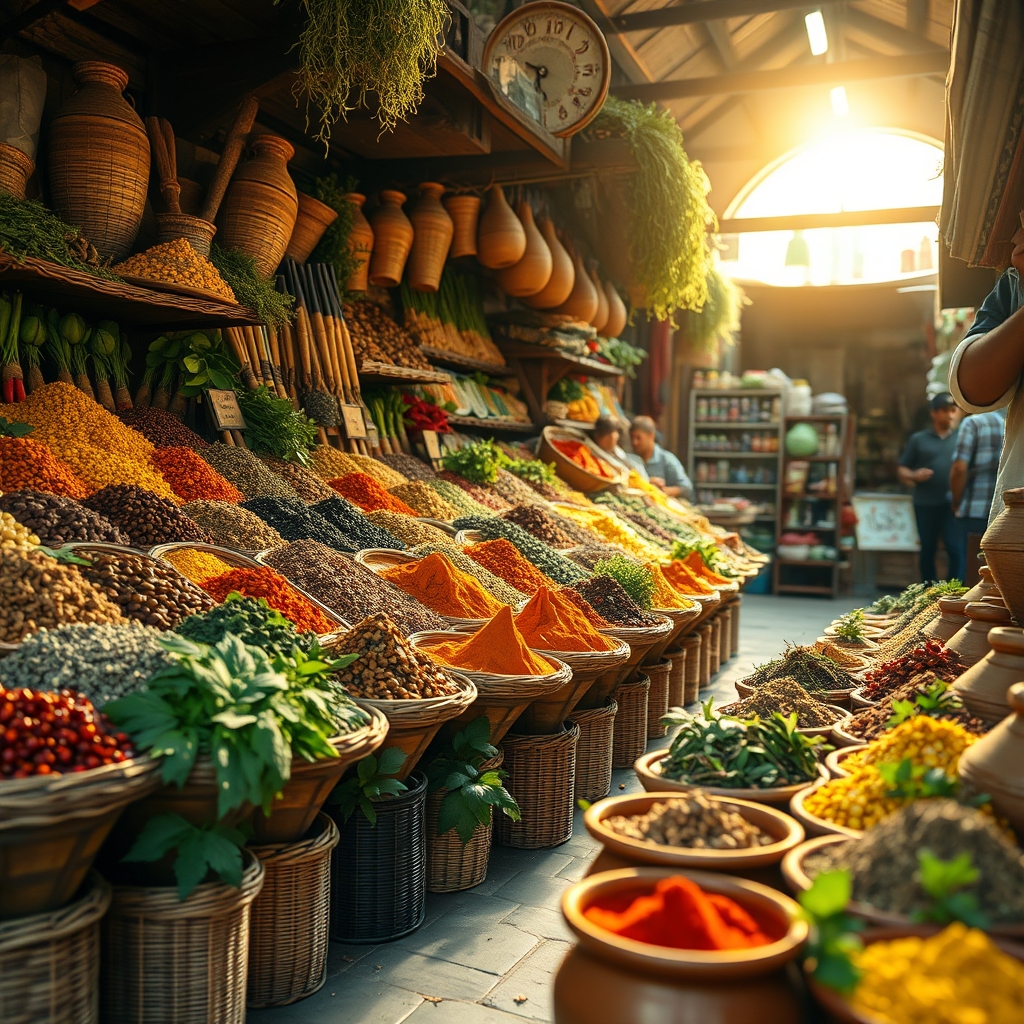
Between the 16th and 19th centuries, European colonial traders flooded Western markets with Asian spices, soy sauce, fish paste, and fermented condiments. Yet despite profiting from these products, European elites actively disdained the cooking philosophies behind them. When Portuguese traders brought soy sauce to Europe in the 1600s, it wasn't adopted into refined European kitchens—it was relegated to curiosity cabinets and exoticized as a strange foreign substance.
This pattern repeated across the colonial world. British colonizers in India encountered complex fermented chutneys and umami-rich dal broths, yet they reduced Indian cuisine to a caricature of "curry"—flattening centuries of nuanced flavor theory into a single, dismissive category. French chefs, who dominated European culinary authority from the 17th century onward, built their reputation on what they called the "mother sauces"—béchamel, velouté, espagnole, hollandaise, and tomato sauce. These sauces were presented as the pinnacle of sophistication, even though many of them rely on umami compounds. Yet the French never explicitly recognized what made them work.
The cultural bias was clear: if Asian cooks understood umami through centuries of fermentation practice, then umami must be dismissed as unsophisticated. European food philosophy was built on the idea that true cuisine came from France, Italy, and refined Western traditions—not from Asia. This bias was so deep that when umami finally was scientifically identified, it took decades for Western food science to accept it.
When was umami scientifically discovered and why did the West ignore it?
Japanese chemist Kikunae Ikeda identified umami as the fifth taste in 1908 by isolating glutamate in kombu seaweed broth, but Western food scientists largely dismissed or ignored his findings for nearly a century, viewing the discovery as a non-Western curiosity rather than a fundamental taste sensation.
In 1908, Kikunae Ikeda, a professor of chemistry at Tokyo Imperial University, was studying the flavor compounds in kombu seaweed broth—a staple of Japanese cooking for centuries. He noticed that the savory sensation couldn't be explained by salt, acid, or sweetness alone. Through careful chemical analysis, he identified glutamate as the compound responsible. He called this taste "umami," and published his findings in a Japanese journal.
This should have been groundbreaking. But here's where colonial bias becomes glaringly obvious: Western food science largely ignored him. European and American food scientists viewed Ikeda's work as interesting but not fundamental. How could a Japanese chemist discover something about taste that refined European science had missed? It was easier to dismiss umami as a cultural quirk of Asian cooking than to acknowledge that a non-Western scientist had identified a universal property of human taste.
It wasn't until the 1980s and 1990s that Western food scientists began seriously studying umami. By then, Japanese companies had already commercialized MSG (monosodium glutamate), and it became controversial in Western markets—partly because of a real medical sensitivity in some people, but also because of lingering prejudice against Asian food additives. This only reinforced the bias: umami wasn't "natural" or "refined"—it was something Japanese corporations added to food artificially.
Even today, there's residual Western skepticism about umami compared to the other four tastes. You'll find detailed discussions of salt and acid in cookbooks like Salt Fat Acid Heat, but umami often gets treated as an optional garnish to culinary theory rather than a foundational building block.
What role did fermented foods play in keeping umami alive outside the West?
Asian cuisines—particularly Chinese, Japanese, and Korean traditions—preserved and refined umami-building techniques through fermentation for thousands of years, creating a living knowledge system that the West ignored until forced to acknowledge it scientifically.
While European chefs were focused on achieving flavor through heat, emulsification, and technique, Asian cooks had already figured out that fermentation unlocks glutamates and creates profound savory depth. Chinese soy sauce, Japanese miso, Korean doenjang, Vietnamese fish sauce, and Southeast Asian shrimp pastes all represent sophisticated understanding of umami chemistry, developed without modern science.
These aren't crude or primitive methods—they're elegant. Fermentation breaks down proteins into free amino acids, and glutamate is one of the most abundant. By controlling temperature, salt, and time, Asian fermentation masters created flavor compounds of extraordinary complexity. A 500-year-old Japanese miso is not just food; it's applied chemistry and cultural memory in a single jar.
Western fermentation traditions existed too—cheese, cured meats, sauerkraut, and wine—but they developed somewhat separately from the broader culinary philosophy. European cooks learned to use these umami-rich ingredients without naming or understanding the principle behind them. It's as if they had the answer all along but never asked the question. Meanwhile, Asian culinary traditions explicitly built their flavor architecture around umami, using it as a primary tool rather than an accident.
For an excellent deep dive into how fermentation creates flavor, The Ancient Art of Fermentation explores this history across cultures.
How did this bias affect modern Western restaurant culture?
Western restaurants developed without a conscious framework for umami, leading to overcomplicated dishes that missed the simple power of fermented depth, while chefs who understood umami intuitively were labeled "ethnic" or "lesser-than," creating a lasting class divide in how different culinary traditions are valued.
Walk into a high-end French or Italian restaurant, and you'll encounter dishes built on umami principles—a Bolognese sauce simmered for hours, an aged Parmigiano-Reggiano, a slow-roasted short rib—but the chef likely doesn't frame it in terms of umami. Instead, there's a mythology around technique: the long simmer, the perfect emulsion, the reduction. The umami is the point, but it's hidden behind technique-talk.
Meanwhile, when a Japanese chef uses miso or kombu to build flavor, or when a Chinese cook uses fermented black bean sauce, Western food critics often describe these techniques as "shortcuts" or "flavor bombs"—implying they're somehow less legitimate than slow-cooking and reduction. This bias persists in Michelin guides, food media, and restaurant hierarchies. Why Restaurants Fail When They Optimize for Perfection explores how Western cuisine's obsession with technique over understanding has created blind spots in how we value different cooking traditions.
Only in the last 20 years have Western chefs begun consciously working with umami as a principle. Chefs like Thomas Keller and Dominique Crenn started explicitly discussing umami, drawing on global influences. But this came after centuries of casual cultural erasure.
Key Definitions
- Umami
- The fifth basic taste, characterized by a savory, mouth-filling sensation produced by glutamates and nucleotides (particularly inosinate and guanylate), found naturally in aged cheeses, fermented foods, cured meats, tomatoes, and mushrooms.
- Glutamate
- An amino acid that activates umami taste receptors on the tongue; present naturally in protein-rich foods and multiplied during fermentation or aging processes.
- Monosodium Glutamate (MSG)
- The sodium salt of glutamic acid, extracted or synthesized for use as a food additive to enhance umami flavor; widely used in Asian cooking but long stigmatized in Western markets due to both legitimate sensitivities and cultural prejudice.
- Fermentation
- A metabolic process where microorganisms break down proteins and carbohydrates, creating new flavor compounds including glutamates; central to umami-building techniques in Asian cuisine for thousands of years.
- Colonial Bias in Food Culture
- The systematic devaluation of non-European culinary traditions and flavor principles during the colonial era, positioning European techniques as "refined" and Asian methods as "primitive" or "exotic," thereby erasing legitimate scientific understanding of flavor.
The Bottom Line
Umami didn't vanish from Western cuisine—it was actively ignored and devalued as a byproduct of colonial-era racism and European food snobbery. Asian cultures understood and refined umami for millennia through fermentation, but when Japanese scientist Kikunae Ikeda finally named it in 1908, Western food science largely dismissed him as studying a cultural quirk rather than a universal taste. Only in recent decades has the West acknowledged what Asia already knew: umami is fundamental, and it's been hiding in our Parmesan, our stocks, and our aged meats all along. This gap between what we know and what we acknowledge reveals how deeply bias shapes food culture.
Frequently Asked Questions
- What are examples of umami-rich foods?
- Common umami-rich foods include aged Parmesan and Pecorino cheeses, cured meats like prosciutto and bacon, tomatoes (especially concentrated in tomato paste), mushrooms (especially shiitake and porcini), bone broths, soy sauce, miso, fish sauce, fermented products, cured fish, and slow-cooked meat stocks. Essentially, foods that are aged, fermented, or slow-cooked tend to develop umami compounds naturally.
- Is MSG (monosodium glutamate) dangerous?
- MSG is not inherently dangerous for the vast majority of people; it's a naturally occurring compound found in many foods. However, some individuals do experience sensitivity to high concentrations of MSG, causing symptoms like headaches or flushing. The widespread "MSG is toxic" narrative originated partly from legitimate medical observations but was amplified by racial bias against Asian food additives, a pattern well-documented in food science history.
- Why did European food science take so long to accept umami?
- Western food science was dominated by European and American institutions that viewed non-Western culinary knowledge with skepticism or dismissal. When a Japanese scientist identified umami in 1908, it contradicted the Western narrative that European cooking traditions held all the answers. This wasn't a failure of science—it was a failure of openness, rooted in colonial attitudes that treated non-European knowledge systems as less legitimate than Western ones.