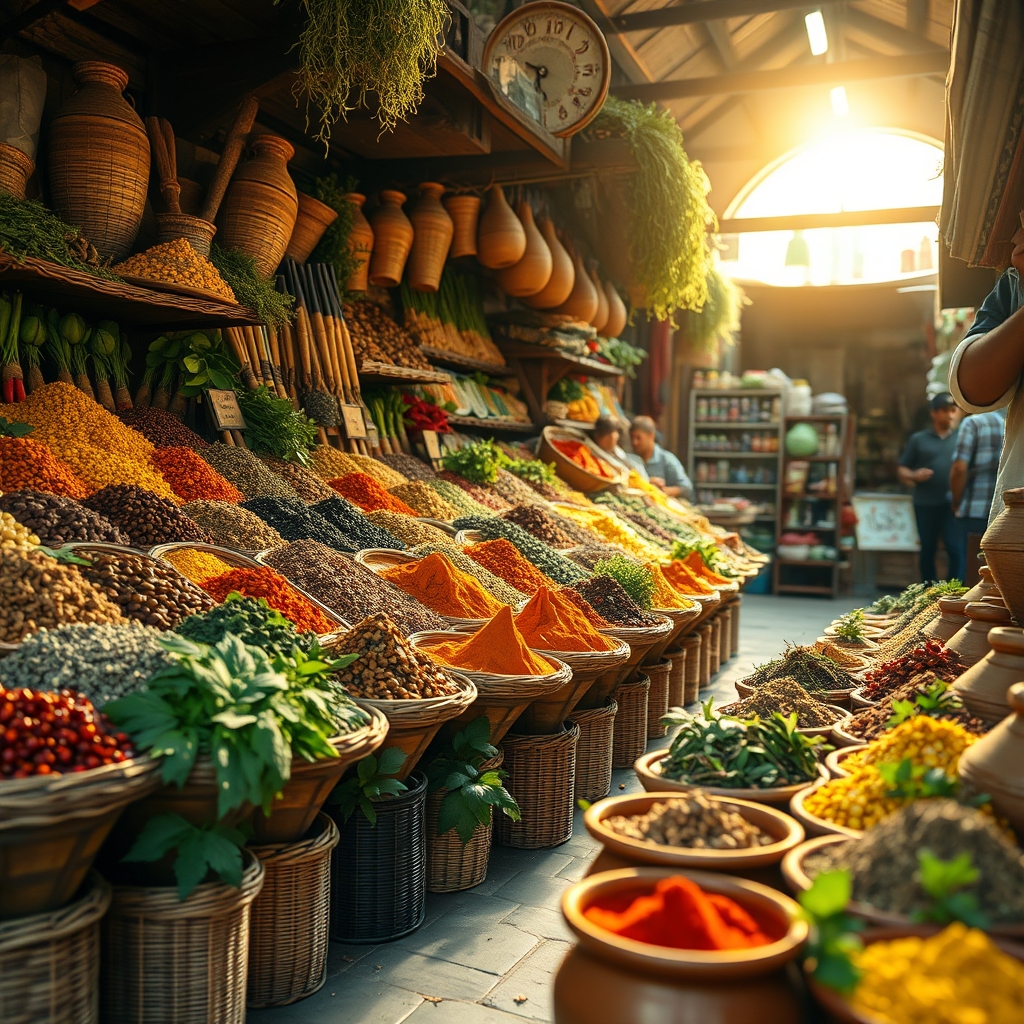
Why Restaurants Fail When They Optimize for Perfection
This post contains affiliate links. If you purchase through them, I may earn a small commission at no extra cost to you.
The short answer: Restaurants that chase perfection often fail because the pursuit of absolute consistency kills the spontaneity, intuition, and creative constraints that make food memorable—the best dishes emerge from chefs working within limitations, not against them.
What happens when restaurants obsess over perfection?
When restaurants prioritize flawless execution over soul, they produce technically excellent food that tastes like nothing and leaves no impression. The irony is devastating: a kitchen optimized for zero defects becomes a kitchen optimized for mediocrity. Michelin-starred restaurants have shuttered despite impeccable plating. Chain restaurants with identical recipes across thousands of locations have conquered markets while independent restaurants with "perfect" food fade into obscurity.
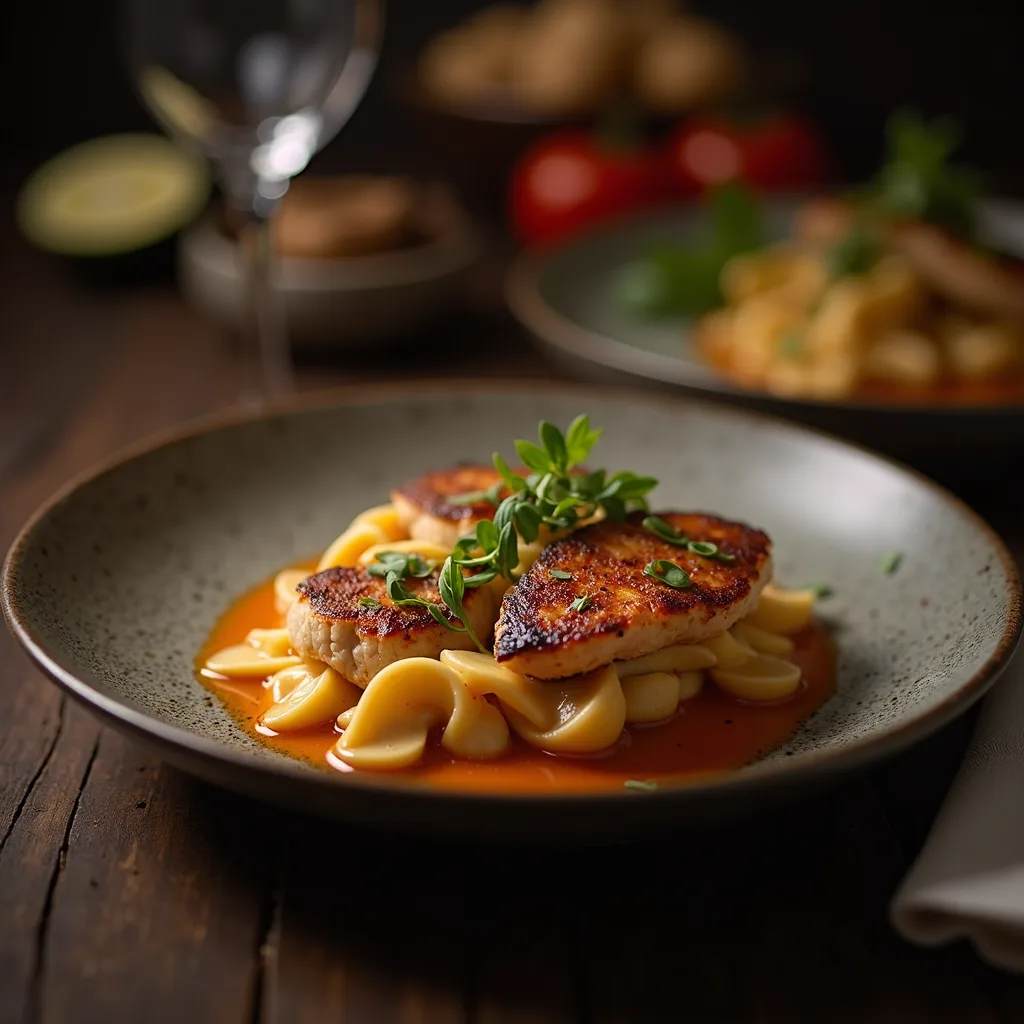
The problem isn't ambition—it's direction. A chef chasing perfection becomes obsessed with control: standardized portions, predictable flavor profiles, minimal deviation from the blueprint. Every plate must look identical. Every sauce must sit at exactly 64 degrees. Every microgreen must be 2.5 centimeters long. The result is food that satisfies your eyes before your mouth. It's architecture, not cuisine.
Consider the rise of fast-casual dining in the 2010s. Chains like Sweetgreen and Chipotle promised "perfect" meals: consistent ingredients, measured portions, predictable outcomes. Yet the restaurants that truly captivated diners weren't the ones with algorithmic precision—they were the ones where a chef could decide, on Tuesday morning, to roast beets instead of carrots because the beets looked exceptional that week. Constraint breeds creativity.
Why do constraints actually make better food?
Constraints force chefs to deepen their understanding of fundamental flavors and techniques rather than hide behind complexity or expensive ingredients. When a chef has unlimited resources and infinite flexibility, they often become lost in options. When a chef works within boundaries—limited ingredients, a small kitchen, a tight budget—they must become intimate with every element on the plate.
Think of traditional Japanese cuisine. Sushi, tempura, kaiseki—these cuisines didn't emerge from abundance and perfection-seeking. They emerged from scarcity. Japanese chefs had to work with what the ocean provided, what the seasons allowed, what their small spaces permitted. The constraint of freshness (fish spoils quickly) meant chefs developed an almost obsessive attention to sourcing, timing, and minimal intervention. The constraint of a small counter meant the chef could watch each customer's face as they ate, and adjust their next plate accordingly.
That human element—the chef's intuition responding to real feedback—is impossible in a restaurant optimized for perfection. A perfectly systematized kitchen doesn't need intuition. It needs compliance.
How does perfectionism kill restaurant culture and staff creativity?
Perfection-obsessed kitchens breed fear, not loyalty, causing staff burnout and the loss of the generational knowledge that makes restaurants legendary. When a head chef demands zero deviation from standards, junior cooks stop experimenting. They stop learning. They stop caring. They clock in, execute the system, clock out. Within three years, that talented sous chef who had real potential has taken a job at a startup that values their ideas.
The greatest restaurants in history—La Bernardin in New York, Central in Bangkok, Osteria Francescana in Italy—weren't built by chefs who tolerated mediocrity. But they were built by chefs who understood that perfection isn't a fixed target. It's a direction. It's perfectionism without the tyranny.
There's a crucial difference. A chef who pursues perfection says: "Today's special is roasted chicken, and it will be exceptional." A chef obsessed with perfection says: "Today's chicken will match yesterday's chicken to 0.1% accuracy." One invites collaboration and discovery. The other invites resentment and quiet mutiny.
The best restaurants have institutional knowledge—recipes passed down, techniques refined across decades, a tribal understanding of "how we do things." That knowledge survives only when younger cooks feel ownership. Perfectionism kills ownership. It kills the culture that makes a restaurant matter.
Why do home cooks and street vendors often outshine fine dining?
Home cooks and street vendors succeed because they cook within the constraints of their environment, season, and intuition—precisely the factors fine dining chefs often eliminate. Your grandmother's signature dish isn't great because she follows a recipe perfectly. It's great because she's made it a thousand times, adapted it to what was available each season, and tasted it as she cooked.
Street tacos taste better than the tacos served in a "modern Mexican" restaurant because the taco vendor has made 500 tacos today and will make 500 tomorrow. Their hands know the heat of the griddle. They can taste when the seasoning is right. They can't afford precision—they practice presence.
This is why the sushi dream that built a Japanese empire has faced challenges when it encountered the American obsession with perfection. American sushi restaurants became temples to uniformity: each roll identical, each piece cut with lasers, each element plated with tweezers. Meanwhile, Tokyo's greatest sushi masters—the ones with three-month waits—are the ones who look at the fish that morning and decide what to serve based on what's genuinely best that day.
What's the difference between craftsmanship and perfectionism?
Craftsmanship embraces the material's reality and adapts; perfectionism denies material reality and demands conformity. A craftsman chef works with what actually exists. A perfectionist chef works against it, forcing reality into a predetermined ideal.
James Peterson's The Food Lab demonstrates this through rigorous scientific exploration—but Peterson's genius is that he uses science to understand reality, not to eliminate it. He measures, he tests, he refines—but always in service of deeper respect for what food actually is. That's craftsmanship. The restaurants that fail are the ones that measure and test in service of control.
Key Definitions
- Perfectionism (in culinary context)
- The pursuit of absolute consistency and elimination of variation, often resulting in standardized, soulless food that technically meets standards but lacks character.
- Craftsmanship
- The pursuit of excellence through deep knowledge, responsive intuition, and respect for materials—adapting to reality rather than forcing it into predetermined patterns.
- Constraint-driven creativity
- The principle that limitations force deeper skill development, more intuitive decision-making, and ultimately more memorable creative outcomes than unlimited options.
How can restaurants find the balance between consistency and soul?
The solution isn't to abandon standards—it's to separate what must be consistent from what must be alive. A restaurant's cleanliness must be perfect. Its food safety protocols must be perfect. But the food itself? The food should be consistent in its values and technique, not in its appearance or prescribed path.
A great restaurant says: "Our sourcing standards are non-negotiable. Our knife skills are non-negotiable. Our commitment to respecting each ingredient is non-negotiable." But they don't say: "Every plate must weigh 6.2 ounces. Every sauce must be the same color. Every interaction must follow this script."
Consistency of values creates trust. Consistency of execution creates boredom. The restaurants that endure do the former. They define their standards as principles, not procedures. Understanding how culture shapes food choices also reveals that great restaurants root themselves in human tradition and flexibility, not algorithmic precision.
Steve Monas explores these tensions throughout Flavors of the Motherland, examining how authentic cuisine survives precisely because it adapts across generations and regions while maintaining soul. That's the model.
The Bottom Line
Restaurants fail when they optimize for perfection because perfection is a tyrant that crushes intuition, kills creativity, and transforms food into compliance. The world's greatest meals come from chefs who understand their ingredients intimately, work within the constraints of their reality, and cook with their intuition calibrated by thousands of hours of practice. Pursue excellence, not perfection. Embrace constraints. Let the food live.
Frequently Asked Questions
- Can a restaurant be both consistent and creative?
- Yes, by separating what must be procedurally consistent (cleanliness, safety, technique standards) from what should be responsively adaptive (menu decisions, plating, flavor interpretation). Values can be consistent while execution remains alive.
- Why do some Michelin-starred restaurants fail despite technical perfection?
- Technical perfection without soul becomes a sterile exercise. Michelin evaluates consistency, but consistency in the wrong areas—too much focus on appearance and procedure, too little on flavor and intuition—results in food that's impressive but unmemorable.
- How do great chefs decide what to cook if they're not following a rigid system?
- They make decisions based on daily sourcing, seasonal availability, their intuitive understanding of flavor combinations, and real-time feedback from service. This requires deeper skill and attention than following a formula, but produces infinitely more interesting results.