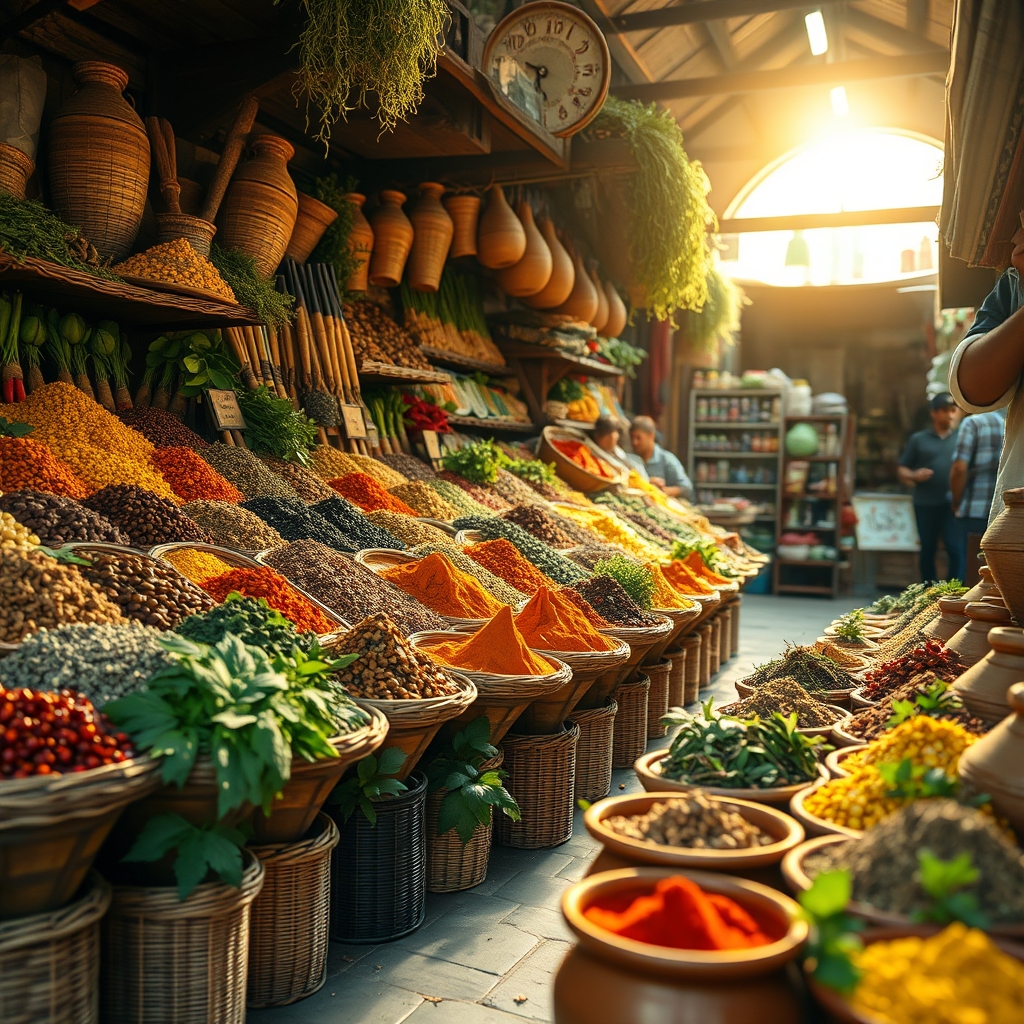
Why Umami Is the Fifth Taste Capitalism Missed
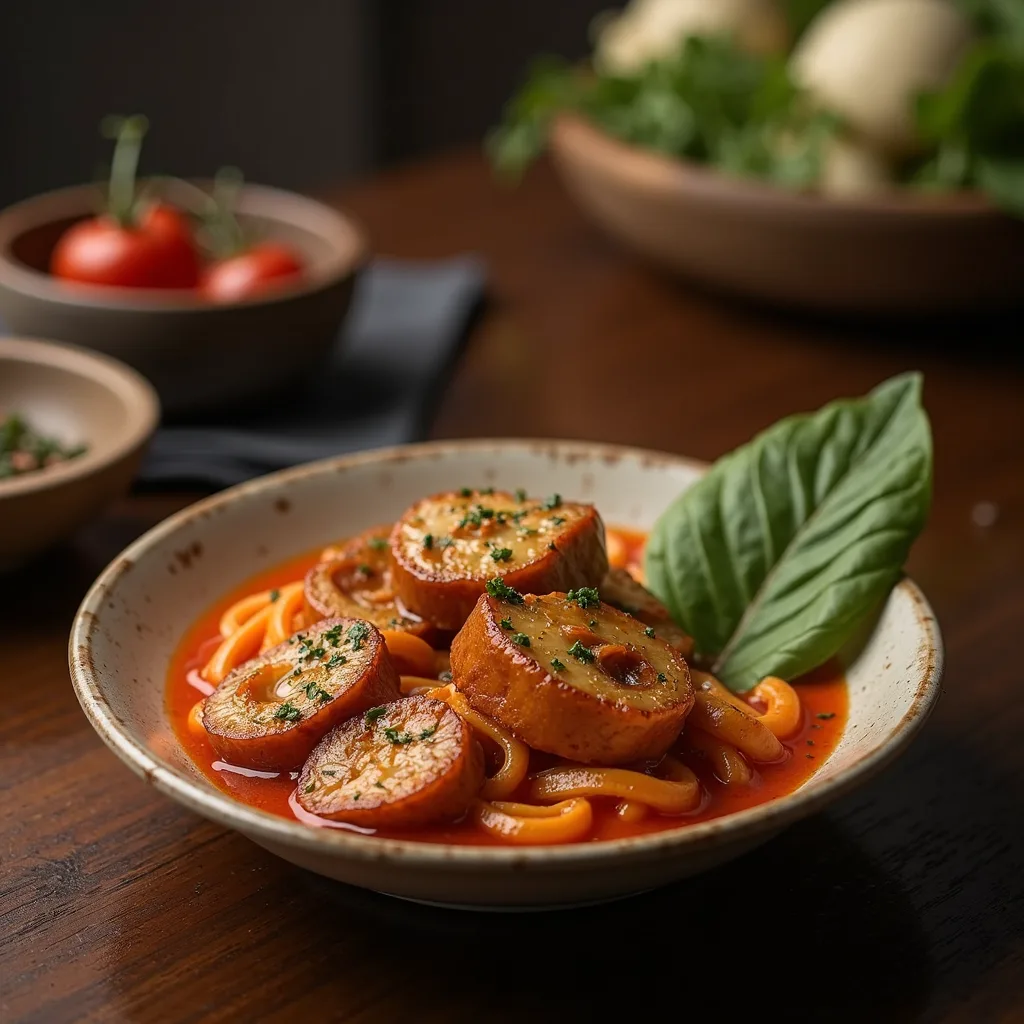
This post contains affiliate links. If you purchase through them, I may earn a small commission at no extra cost to you.
The short answer: Umami is the fifth taste that Western capitalism ignored for over a century because it didn't fit the profitable, sugar-and-salt-driven food industry model—even though Japanese scientists discovered it in 1908, and it now generates billions as food companies finally catch up to what they should have known all along.
What is umami and why did Western science dismiss it?
Umami is the savory taste produced by glutamates and nucleotides like MSG, first identified by Japanese chemist Kikunae Ikeda in 1908, but rejected by Western taste science for a century because it threatened the profit structures of industrial food manufacturers.
In 1908, Ikeda tasted the broth from kombu seaweed and identified something that didn't fit the four tastes Western science had recognized: sweet, salty, sour, and bitter. He called it "umami"—Japanese for "pleasant taste" or "deliciousness." He found the source: glutamates, amino acids that trigger a specific receptor on your tongue. This wasn't a minor culinary curiosity. It was a fundamental property of food that shapes how humans eat, what we crave, and what we're willing to pay for.
But here's the capitalism problem: Western food science, dominated by European and American researchers in the 20th century, rejected umami entirely. Why? Because the entire industrial food system had already built itself around sweetness, salt, and cheap fats. Umami requires real ingredients—bone broths, aged cheeses, fermented foods, tomatoes, mushrooms, meat stocks. These are expensive. They take time. They can't be synthesized as easily as high-fructose corn syrup or salt.
The food industry of the 1920s through 1980s had no incentive to acknowledge a taste that demanded quality. So they didn't. Western textbooks ignored it. Taste scientists called it a hoax or a marketing trick. One of the most fundamental sensory discoveries in human history was suppressed—not by conspiracy, but by the simple gravitational pull of profit margins.
It wasn't until 2000 that umami was officially recognized by the scientific community as the fifth taste. By then, decades of culinary tradition had been lost to a food system optimized for shelf life, not flavor.
Why does umami matter to food companies now?
Umami now represents a multi-billion-dollar opportunity for food companies because it's the biological trigger for cravings, repeat purchases, and perceived quality—and it's infinitely more profitable than admitting their products lacked real flavor for a century.
Once the food industry finally acknowledged umami, they realized what chefs and grandmothers had always known: this taste makes you want more. It's the reason a simple bowl of broth satisfies you. It's why Parmesan cheese is habit-forming. It's why a tomato-based sauce builds flavor over time.
Now, companies use umami strategically. MSG—the glutamate compound Ikeda isolated—is in everything: instant noodles, snack foods, soups, sauces, fast food. The global MSG market is worth over $4 billion annually and growing. Food manufacturers discovered they could trigger the same umami response with cheaper ingredients than traditional fermentation or long cooking times.
But here's the irony: they're trying to replicate what they rejected. Real umami—the kind from bone broths, aged cheeses, fermented foods, and slow-cooked meats—signals quality. Synthetic umami signals addiction. The food industry spent a century dismissing the taste that would have forced them to make better products, and now they're reverse-engineering it on the cheap.
This pattern reveals something crucial about capitalism: systems optimize for what they can already monetize, then dismiss what they can't—until suddenly they can. Umami wasn't discovered in 2000. It was just finally profitable to admit.
How does the umami story reveal what we get wrong about taste?
The umami story shows that taste isn't purely sensory or objective—it's cultural, scientific, and economic, and what we believe we taste is shaped by what we're told to taste and what makes money.
Taste is biology. Your tongue has specific receptors for glutamates. This is measurable, verifiable, universal. But what tastes "good" to you is learned. Japanese cuisine developed centuries of umami-forward techniques—fermentation, aging, long broths—because that's how you make delicious food without refrigeration. Western cuisine built itself around different principles: sweetness from cane sugar, salt for preservation, cream and butter for richness.
Neither is objectively better. But when Western food science rejected umami, they weren't rejecting a taste. They were rejecting the idea that there might be a fundamental sensory principle they'd missed. They were protecting a system that already existed and already turned profit.
This happened because science isn't separate from commerce. The researchers who defined the four tastes were operating in a world already shaped by industrial food. They were answering questions that fit their context. Japanese science arrived at umami because Japanese food culture already revolved around it. Western science didn't find it because Western food culture didn't need it—or rather, western food capitalism didn't.
As Steve Monas explores in Flavors of the Motherland, the stories we tell about food are inseparable from the systems that produce it. Taste is never just taste.
What does umami tell us about the future of food and profit?
Umami's journey—from discovery to dismissal to desperate adoption—shows that the most profitable food systems are built on denial, not innovation, and that real profit comes not from replicating quality but from making people prefer the replica.
The food industry's current relationship with umami is revealing. They're not making better broths. They're making broths more efficiently with MSG and cheaper ingredients. They're not investing in fermentation. They're synthesizing fermentation's flavor profile. This isn't progress. It's the same strategy that gave us the last century of processed food: extract the part consumers want, eliminate the cost, and call it innovation.
But something's shifting. As consumers learn about real umami—in slow food movements, in the resurgence of fermentation, in the premiumization of "natural" ingredients—there's actual money in the authentic version too. High-end food, the kind people seek out and pay for, is built on umami. Real Parmesan. Real miso. Real bone broth. Real aged meats.
The question isn't whether umami will be profitable. It already is. The question is: will the food industry continue to profit from the replica, or pivot to the original? And that depends on whether we—consumers, investors, regulators—keep rewarding the cheaper fake or demand the more expensive real.
Just as ketchup became an unexpected global empire by understanding what people crave, and just as pasta water reveals how culinary power hidden in byproducts, umami teaches us that capitalism isn't about discovery. It's about recognizing what people already want, then deciding whether to give it to them or give them something cheaper that triggers the same response.
Key Definitions
- Umami
- The fifth taste, characterized by the presence of glutamates and nucleotides like MSG, that triggers savory, mouth-filling satisfaction and is found naturally in aged cheeses, fermented foods, bone broths, tomatoes, and mushrooms.
- Glutamates
- Amino acids that bind to taste receptors on the tongue and trigger the umami taste sensation; found naturally in protein-rich and fermented foods, and synthesized as monosodium glutamate (MSG).
- Monosodium Glutamate (MSG)
- The sodium salt of glutamic acid, isolated and manufactured as a flavor enhancer to replicate the umami taste response in processed foods; has become a multi-billion-dollar food industry ingredient despite decades of misinformation about its safety.
- Fermentation
- A biochemical process where microorganisms break down organic matter, developing umami compounds naturally over time; used in traditional cuisines worldwide to create flavors like miso, soy sauce, and aged cheeses.
How has umami shaped global cuisine differently in Asia and the West?
Japanese, Korean, Chinese, and Southeast Asian cuisines built centuries of sophisticated umami-forward techniques (fermentation, aging, broths) because these methods solved real food problems, while Western cuisines developed around different ingredients and preservation methods, making umami invisible until industrial food economics made it profitable.
This is the untold story of flavor geography. In Japan, Korean, and China, fermentation isn't a gourmet technique—it's ancient technology. Miso, soy sauce, and fish sauce are thousands of years old. They emerged because they were solutions: fermentation preserved food without refrigeration, made crops and proteins last longer, and created incredible flavors in the process. Umami wasn't a discovery in these cultures. It was infrastructure.
Western European cuisine, meanwhile, developed around different resources. Butter, cream, wine, fresh herbs, and animals raised on pasture. These created richness and complexity without relying on fermentation. But—and this is crucial—they still created umami. A classic French stock, simmered for hours, is pure umami. Aged Gruyère is umami. Prosciutto is umami. The West didn't lack umami. Western food science simply didn't have a word for it because it wasn't trying to categorize what already worked.
The tragedy is what got lost in the 20th century: when Western food industry rejected the concept of umami, it also rejected the techniques that produced it naturally. Industrial food in America became optimized for sugar and salt—the tastes that could be managed, measured, and profited from most easily. Fermentation, slow cooking, and aging all take time and cost money. So they were abandoned.
Now, there's a new premium market for "authentic" umami foods: bone broths, fermented vegetables, aged charcuterie. These are sold back to Western consumers as luxury items—often at higher prices than during the centuries when they were everyday food. That's not progress. That's capitalism completing a cycle: dismiss, forget, rediscover, and sell as premium.
The Bottom Line
Umami wasn't missed by capitalism—it was rejected. Western food science ignored the fifth taste for a century because the industrial food system had already committed to sugar, salt, and cheap fats. Now that umami is profitable, the food industry is synthesizing it rather than earning it through quality. The umami story reveals that taste isn't purely sensory: it's shaped by what we're taught to value, what our current systems can monetize, and—crucially—what we're willing to demand be better. The question isn't what umami is. It's whether we'll accept the replica or insist on the original.
Frequently Asked Questions
- Is MSG actually dangerous?
- No. Decades of scientific research have found MSG to be safe at normal consumption levels. The myth of "MSG sensitivity" stems largely from a 1968 letter to the New England Journal of Medicine that was never properly verified, combined with racist associations with Chinese food. The food industry perpetuated this myth partly to avoid admitting they were using synthetic umami instead of developing real flavor through quality ingredients.
- Why did Japan discover umami and not Europe?
- Japanese food culture had already built itself around umami-rich ingredients and techniques for centuries—fermented pastes, aged fish, long broths—so when Kikunae Ikeda was researching taste in 1908, he was working with a cuisine that naturally led him to discover the pattern. Western food science was working within a different culinary context that didn't highlight umami as obviously, so the concept never emerged from that framework until much later.
- Can I get umami without MSG or synthetic ingredients?
- Absolutely. Real umami comes from slow-cooked bone broths, aged cheeses like Parmesan, fermented foods like miso and soy sauce, tomatoes, mushrooms, cured meats, and slow-cooked meats. These aren't expensive indulgences—they're the traditional cooking methods that every culture developed to make food taste incredible. The shift to synthetic umami was about speed and profit margin, not about umami itself being difficult to create.