Cuisine
The Myth of the 'Original' Recipe – Why Every Dish Is Stolen
This post contains affiliate links. If you purchase through them, I may earn a small commission at no extra cost to you.
The short answer: There is no such thing as an “original” recipe—every dish is the result of centuries of cultural exchange, adaptation, and what we now call "cultural appropriation," because food evolves through migration, trade, and theft.
Why is there no such thing as an original recipe?
Every recipe we consider “original” is actually a mutation of earlier traditions, born from migration, conquest, and trade—not purity. Consider pizza: the Neapolitans claim the Margherita as a national treasure, but the base—dough—originated in ancient Egypt, the tomato arrived from the Americas in the 16th century, and mozzarella came via water buffalo introduced by Arabs in the 10th century. How Chili Peppers Conquered the World in 200 Years shows how a New World plant became central to Asian, African, and European cuisines within two centuries—proving that “authenticity” is often just the most recent adaptation. Even sacred family recipes are rarely static. My Filipino mother-in-law insists her adobo is “original,” but the vinegar-and-soy braise only emerged after Chinese traders introduced soy sauce to the Philippines, and Spanish colonizers brought vinegar preservation techniques. What feels traditional is actually hybrid.Is all cooking cultural appropriation?
Yes, in the historical sense—every cuisine has borrowed, adapted, or taken elements from others, often through unequal power dynamics like colonization or slavery. The British “invented” chicken tikka masala, now considered a national dish, but it was likely created by Bangladeshi chefs in Glasgow to suit British palates. Was that appropriation? Or evolution? The line blurs when power is involved. When the Spanish brought chili peppers, tomatoes, and potatoes back from the Americas, they transformed European cooking—yet no one calls Spanish cuisine “inauthentic.” But when a white chef in Brooklyn sells $18 kimchi ramen, critics cry appropriation. Why? Because context, credit, and compensation matter. Taking without acknowledgment or benefit to the source culture feels exploitative. But cooking without borrowing? Impossible. As I argue in The Unseen Engine of Cuisine: The Pestle and Mortar's Quiet Revolution, the tools of cooking—like the mortar and pestle—were among the first vectors of culinary globalization, grinding together spices from five continents long before airplanes existed.What role did colonization play in spreading recipes?
Colonization didn’t just spread recipes—it erased credit, commodified traditions, and rebranded stolen techniques as European innovations. The British East India Company didn’t just trade spices—they extracted them, replanted them in colonies (like cloves in Zanzibar and cinnamon in Sri Lanka), and broke local economies to monopolize supply. The Spice That Conquered the World details how black pepper fueled wars, empires, and slave labor, all while being stripped of its Indian origins. Enslaved Africans brought okra, rice cultivation, and stewing techniques to the American South—yet Southern “soul food” is rarely credited as African. Similarly, Indian “curry” as a concept was a British simplification of hundreds of distinct regional dishes. The word itself may derive from the Tamil “kari,” but the British turned it into a catch-all for brown sauce. Colonization made theft systemic. It wasn’t just about ingredients—it was about erasing authorship.How has trade shaped modern cuisine?
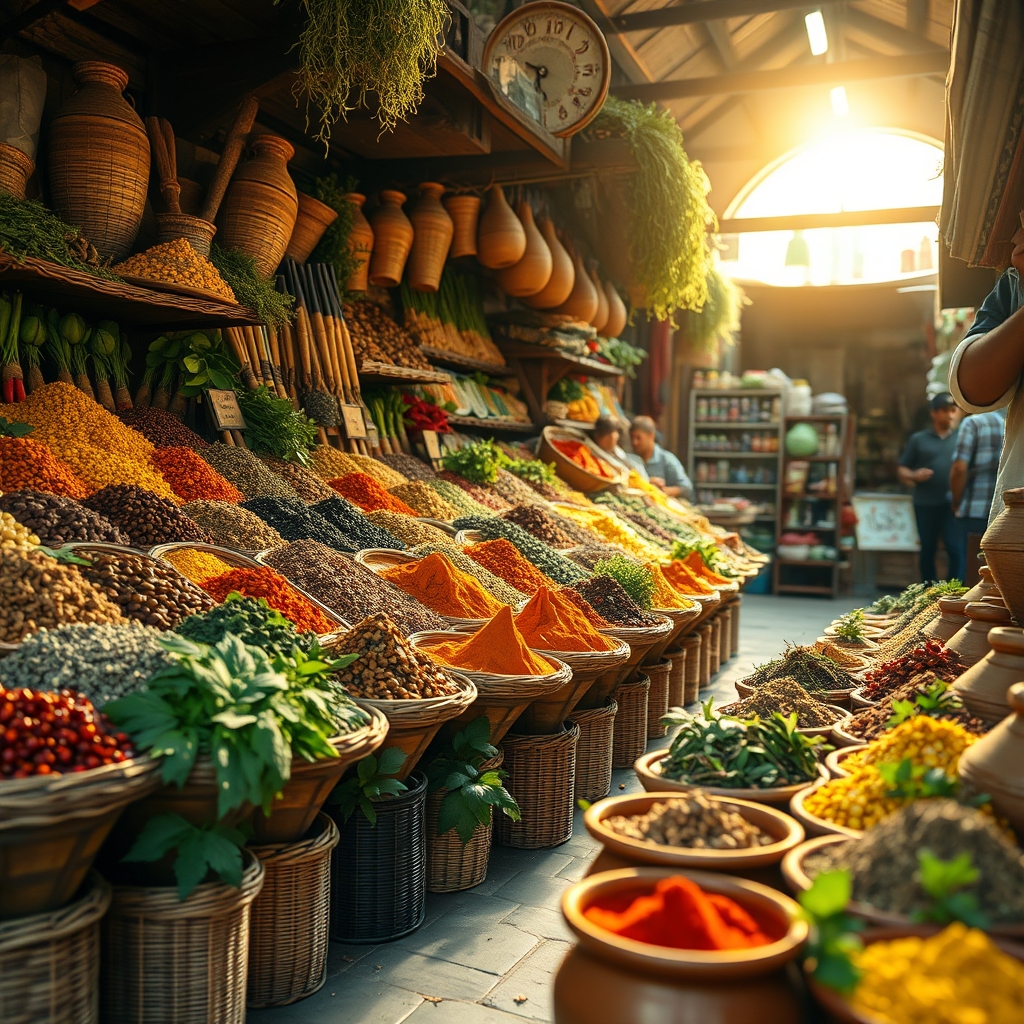
Global trade didn’t just introduce new ingredients—it rewrote national cuisines in a matter of generations. The Silk Road carried saffron from Persia, cinnamon from Sri Lanka, and black pepper from India to Europe, China, and the Middle East. Spices were worth more than gold. A pound of pepper in 14th-century London could buy a sheep. But trade wasn’t just peaceful exchange. The Dutch waged the “Nutmeg Wars” in the 17th century, killing thousands on the Banda Islands to monopolize nutmeg. They even traded Manhattan for a nutmeg-producing island (Run). Today, nutmeg is a holiday spice in the West—few remember the bloodshed behind it. Sugar is another example. Grown by enslaved people in the Caribbean, it transformed British diets in the 1800s. Tea with sugar became a working-class staple—yet the people who produced it were denied even a cup. Trade made possible the dishes we love—Pad Thai (created in Thailand using rice and peanuts, both foreign), or the Japanese curry (adopted from the British, who got it from India). Trade doesn’t just move goods—it transforms identity.What makes a recipe 'authentic'?
“Authenticity” is a marketing myth—most so-called authentic dishes are less than 150 years old and often invented to suit national identities or tourist demand. The Margherita pizza was “invented” in 1889 to honor an Italian queen. Pad Thai was promoted in the 1930s by the Thai government to modernize and nationalize the country’s food. “Traditional” tandoori chicken was first dyed red with food coloring in the 1940s by a Punjabi restaurateur in Delhi. As Harold McGee explains in On Food and Cooking, every ingredient and technique has a migration story. The idea that a recipe can be frozen in time ignores the dynamic nature of culture. Authenticity often serves gatekeeping, not truth. Who gets to decide what’s “real” Korean food—the Seoul grandmother, the Korean-American chef in LA, or the white food blogger with a viral gochujang ramen recipe?Key Definitions
- Cultural Appropriation (Culinary)
- The adoption of elements of one culture by members of another culture, often without permission, credit, or benefit to the source—especially when power imbalances exist.
- Authenticity (Food)
- A socially constructed standard of “purity” or “origin” in cuisine, often used to legitimize or delegitimize dishes—despite most traditional foods being historical hybrids.
- Culinary Hybridization
- The process by which ingredients, techniques, and dishes blend across cultures through migration, trade, and colonization—resulting in new cuisines.
The Bottom Line
All cooking is borrowed, adapted, and transformed—there is no “original” recipe untouched by cultural exchange. The pursuit of authenticity is a myth that ignores the messy, beautiful history of human migration and trade.Frequently Asked Questions
- Can I cook foods from other cultures without appropriating?
- Yes—by learning the history, crediting the source, and avoiding caricature. Cook with respect, not ownership. As long as you’re not profiting while silencing the originators, you’re contributing to culinary evolution.
- Does calling food 'inauthentic' make sense historically?
- No. Most national cuisines were invented or standardized in the past 200 years. Dishes like sushi, tacos, or curry have changed dramatically over time. “Inauthentic” is often just “different from what I know.”
- Are there any truly original cuisines?
- No. Even isolated food traditions like Indigenous Amazonian or Arctic Inuit diets have evolved through internal innovation and occasional exchange. “Purity” is a myth—adaptation is the rule.