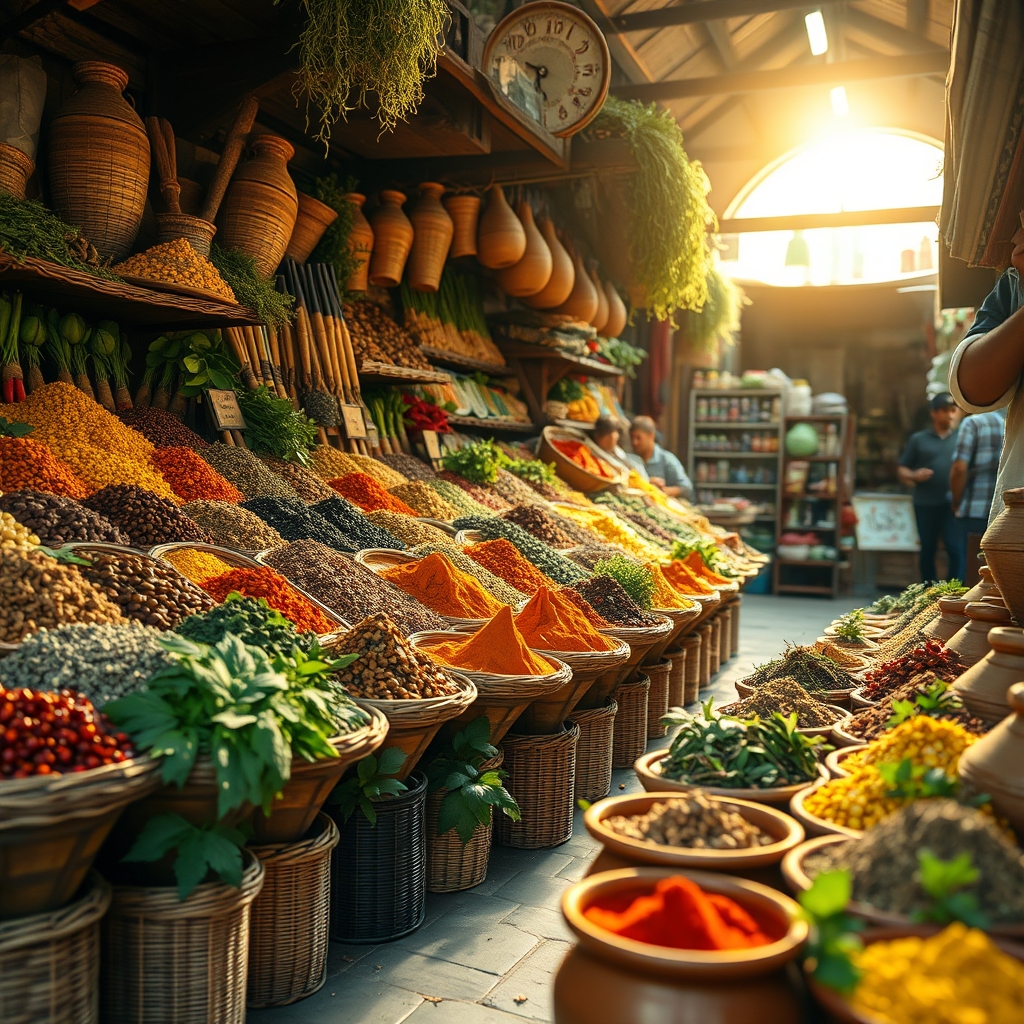
The Spice That Conquered the World
This post contains affiliate links. If you purchase through them, I may earn a small commission at no extra cost to you.
The Spice That Conquered the World
The short answer: Black pepper, known as the "king of spices," reshaped empires, economies, and cultures across the globe due to its high demand, rarity, and versatility in both cuisine and medicine.
What made black pepper so valuable?
Black pepper's value stemmed from its rarity, high demand, and versatility in both cuisine and medicine. Originating from the Malabar Coast of India, black pepper was highly sought after in ancient times for its ability to preserve food and enhance flavors. Its rarity and the difficulty of obtaining it made it a luxury item, often used as currency and a symbol of wealth.
According to historical records, black pepper was so valuable that it was referred to as "black gold." The spice was used not only in cooking but also in medicine, religious rituals, and as a form of currency. The high demand for black pepper led to the establishment of extensive trade routes, connecting different parts of the world.
For more on the historical significance of spices, check out The Spice Route Nobody Mentions.
How did black pepper influence global trade?
Black pepper played a pivotal role in shaping global trade by driving the establishment of extensive trade networks and influencing economic policies. The spice trade routes, particularly those controlled by Arab, Venetian, and Portuguese merchants, were crucial in connecting the East and the West. The demand for black pepper led to the exploration of new trade routes, including the famous Silk Road and the maritime routes to the Indian Ocean.
The control of these trade routes was a significant factor in the rise and fall of empires. For instance, the Venetian Republic's wealth was largely built on its monopoly over the spice trade. The Portuguese discovery of the sea route to India in the late 15th century by Vasco da Gama was primarily motivated by the desire to bypass Venetian and Arab middlemen and secure a direct source of black pepper and other spices.
What role did black pepper play in cultural exchange?
Black pepper facilitated cultural exchange by acting as a catalyst for the spread of ideas, technologies, and culinary practices between different civilizations. The spice trade routes not only facilitated the exchange of goods but also the exchange of knowledge, art, and culture. The demand for black pepper led to the establishment of trading posts and colonies, which became centers of cultural exchange.
For example, the introduction of black pepper to Europe led to the development of new culinary practices and the adaptation of existing ones. The spice became an essential ingredient in European cuisine, particularly in medieval feasts. For more insights into medieval feasts, visit What Medieval Feasts Were Actually Like.
Key Definitions
- Black Pepper
- A spice obtained from the dried berries of the vine Piper nigrum, native to South India. It is widely used as both a seasoning and a medicine.
- Spice Trade Routes
- Historical trade routes that facilitated the exchange of spices, including the Silk Road and maritime routes to the Indian Ocean.
- Venetian Republic
- An independent state originating from the Republic of Venice, which played a significant role in the spice trade during the Middle Ages.
The Bottom Line
Black pepper's influence on empires, economies, and cultures is undeniable. Its high demand, rarity, and versatility made it a valuable commodity that reshaped global trade and facilitated cultural exchange. The spice trade routes established to secure black pepper connected different parts of the world, leading to the exchange of goods, knowledge, and ideas.
Frequently Asked Questions
- Why was black pepper so valuable in ancient times?
- Black pepper was valuable due to its rarity, high demand, and versatility in both cuisine and medicine. It was used as a preservative, flavoring, and even currency.
- How did black pepper influence global trade?
- Black pepper drove the establishment of extensive trade networks and influenced economic policies. It led to the exploration of new trade routes and the rise and fall of empires.
- What role did black pepper play in cultural exchange?
- Black pepper facilitated cultural exchange by acting as a catalyst for the spread of ideas, technologies, and culinary practices between different civilizations.