Why Tomatoes Took 500 Years to Conquer European Cuisine
This post contains affiliate links. If you purchase through them, I may earn a small commission at no extra cost to you.
The short answer: Tomatoes took 500 years to become central to European cuisine because early Europeans believed they were poisonous, associated them with disease and witchcraft, and lacked the cultural frameworks to imagine them as food—until 18th-century poverty and curiosity finally transformed them from suspected toxins into the beloved foundation of Italian, Spanish, and Mediterranean cooking.
Why Tomatoes Took 500 Years to Conquer European Cuisine
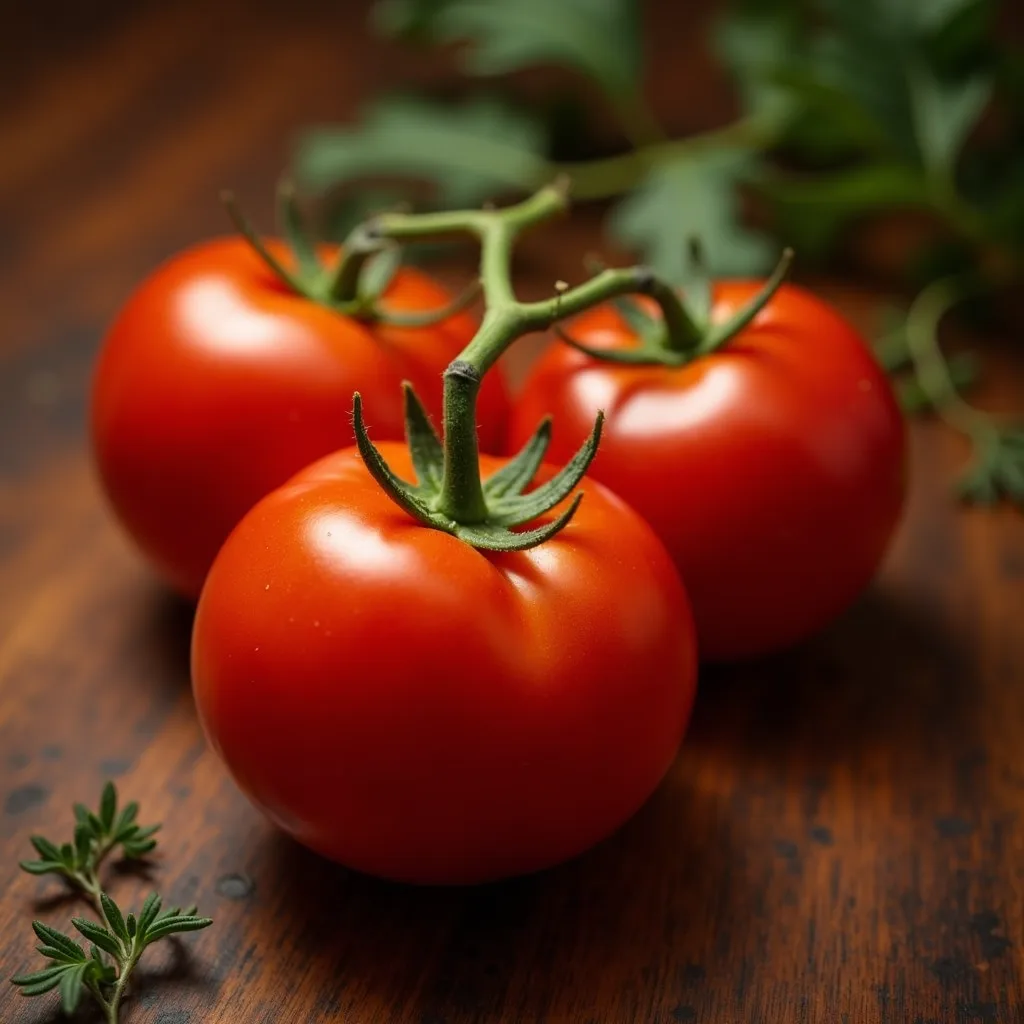
Imagine arriving in Italy in 1650 without pasta sauce. Impossible, right? Yet for nearly two centuries after tomatoes arrived from the Americas in the 1520s, Italians treated the bright red fruit with deep suspicion. What we now consider the most iconic ingredient in Mediterranean cuisine was once viewed as dangerous, even deadly. The tomato's journey from New World curiosity to European staple is a fascinating story about how culture, class, and desperation reshape what we eat.
Why Did Europeans Think Tomatoes Were Poisonous?
Europeans believed tomatoes were toxic because they came from the nightshade family (Solanaceae), which includes deadly plants like belladonna and mandrake, and because the acidic fruit corroded the pewter plates wealthy Europeans ate from, causing lead poisoning that they mistakenly attributed to the tomato itself.
When tomatoes first arrived in Europe aboard Spanish conquistador ships in the 1520s, they landed in a world governed by humoral theory and botanical fear. The nightshade family had a terrifying reputation. Belladonna, henbane, and mandrake were infamous poisons used in witchcraft and medieval alchemy. To European nobility and physicians, a fruit from the same botanical family seemed like an obvious threat.
But here's where the story gets stranger: the real danger was accidental. Wealthy Europeans ate from pewter plates, and the tomato's acidity actually leached lead from the pewter into the food. Those who ate tomatoes developed lead poisoning—tremors, cognitive decline, and sometimes death. But they didn't blame the plates. They blamed the fruit. Centuries before we understood chemistry, the tomato was literally dangerous to the aristocracy.
There was also profound cultural resistance. Tomatoes grew low to the ground, on humble vines. They seemed almost primitive compared to grains that reached toward heaven. And they were red—a color associated in medieval Christian theology with sin, blood, and damnation. When a fruit is simultaneously foreign, suspicious, and theologically questionable, adoption doesn't happen quickly.
What Changed People's Minds About Eating Tomatoes?
Desperation and demographic pressure changed minds: 18th-century population growth and crop failures forced poor Europeans to eat foods the wealthy rejected, and peasants discovered tomatoes were nutritious, productive, and delicious—eventually forcing the aristocracy to follow.
The turning point came not from enlightenment or scientific discovery, but from hunger. By the 1700s, Europe's population was booming. Traditional crops couldn't keep pace with demand. Poor families in Southern Italy, Spain, and Portugal had nothing to lose by planting tomato seeds. Unlike wheat or barley, tomatoes grew abundantly in marginal soil and produced year-round nutrition.
Peasants began creating dishes that made tomatoes irresistible: tomato-based sauces for pasta, gazpacho, and eventually the iconic dishes we know today. They proved through lived experience what the wealthy refused to believe—tomatoes wouldn't kill you. More importantly, they filled bellies.
By the early 1800s, the social math had flipped. Poor people weren't just surviving on tomatoes—they were thriving. Italian regional cuisines began building entire flavor profiles around the fruit. Noblemen tasted peasant food at inns and began to understand what they'd been missing. As class barriers gradually dissolved and culinary knowledge spread across social strata, the tomato became respectable.
The Industrial Revolution accelerated this shift. As cities grew and urbanization stripped away class distinctions around food, middle-class cooks began incorporating tomatoes into "respectable" dishes. By the mid-1800s, the tomato had conquered Italy. By the early 1900s, it had claimed most of Southern Europe. What took five centuries was ultimately achieved by the simple fact that poor people were right.
How Did Tomatoes Finally Become Italian Food's Sacred Ingredient?
Tomatoes became central to Italian identity through geographic, economic, and cultural factors: Southern Italy's climate proved ideal for growing them, Italian immigration spread tomato-based recipes globally, and Italian regional cuisines built their entire identity around the fruit during the 19th and 20th centuries.
It's worth noting that Italy didn't immediately embrace tomatoes even after acceptance began spreading. Northern Italian cuisine—in Venetian, Milanese, and Piedmont traditions—remained largely tomato-free for centuries, relying instead on butter, cream, and rice. It was Southern Italy, particularly Naples and Sicily, that became tomato obsessed.
This regional divide tells us something crucial: the tomato didn't conquer cuisine through magic or inevitability. It conquered through fit. Sicily and Southern Italy had:
- A Mediterranean climate perfect for year-round tomato cultivation
- A population that had suffered centuries of poverty and needed cheap, reliable calories
- An existing cultural openness to spice, bold flavors, and Arab-influenced cooking from Norman conquest
- Economic incentives—tomatoes were profitable crops that could be dried, canned, and exported
By the late 1800s, tomato canning became a massive Italian industry. Families who had once eaten tomatoes out of necessity now grew them for profit. Naples became synonymous with tomatoes, pasta, and pizza. When Italian immigrants flooded into America and Argentina in the late 1800s and early 1900s, they brought their tomato-centric recipes with them. What had been a regional Italian cuisine became a global Italian identity.
Today, we can barely imagine Italian food without tomatoes. Yet this is a very recent development—only about 150 years old. Your great-great-grandmother probably ate Italian food that looked nothing like what you know. The Myth of the 'Original' Recipe – Why Every Dish Is Stolen explores exactly this kind of culinary reinvention, showing how all "traditional" cuisines are actually modern inventions built on accident and migration.
What Does the Tomato's History Reveal About Food Culture?
The tomato's 500-year journey reveals that food acceptance is driven by necessity, poverty, and time—not by nutritional facts or rational argument—and that cultural food taboos are often rooted in class anxiety rather than actual danger.
The tomato story is fundamentally a story about Why Cultures Forbid Certain Foods (And What It Reveals). European rejection of tomatoes wasn't really about poison. It was about foreignness, social hierarchy, and control. The wealthy could reject the tomato because they had other options. The poor, by necessity, became the true pioneers of tomato cookery.
This pattern repeats across culinary history. Foods move from "dangerous" to "delicious" when three things happen: desperation makes people try them, experience proves them safe, and economic benefit makes them profitable. The tomato's journey is the story of how every "traditional" cuisine actually came to be.
It also reveals something uncomfortable: culinary authority flows downward from the poor to the wealthy, not the reverse. Fine dining chefs didn't invent tomato sauce. Peasants did. The wealthy eventually followed. When we romanticize "traditional" or "authentic" cuisine, we're often just admiring innovations that desperate people created centuries ago.
If you want to understand how food works beyond recipes, The Food Lab by J. Kenji López-Alt explores the science and history behind what we eat. For a deeper dive into flavor foundations, Salt Fat Acid Heat by Samin Nosrat is essential reading.
Key Definitions
- Nightshade Family (Solanaceae)
- A botanical family that includes both deadly poisonous plants (belladonna, mandrake, henbane) and nutritious foods (tomatoes, potatoes, peppers, eggplants). The presence of toxic alkaloids in some family members created justified historical suspicion about others.
- Humoral Theory
- A medieval medical framework based on balancing four bodily humors (blood, phlegm, black bile, yellow bile), which shaped food beliefs and medical practice until the 1700s. Under this theory, foods were classified as "hot," "cold," "wet," or "dry," affecting diagnoses and diet recommendations.
- Lead Poisoning (Plumbism)
- Toxic accumulation of lead in the body, causing tremors, cognitive decline, and death. In early modern Europe, pewter plates leached lead when exposed to acidic foods like tomatoes, creating a genuine health risk that early Europeans mistakenly attributed to the tomato itself.
- Culinary Authenticity
- The often-false belief that "traditional" recipes and cuisines are ancient and unchanged. In reality, most "traditional" cuisines are recent inventions shaped by migration, poverty, available ingredients, and historical accident rather than timeless tradition.
The Bottom Line
The tomato didn't conquer European cuisine through nutritional superiority or marketing brilliance. It conquered through five centuries of cultural resistance that were finally overcome by peasant desperation, economic incentive, and the simple human experience of discovering that something delicious was actually safe. What we now call Italian food is fundamentally a creation of the poor, eventually adopted by the wealthy. Understanding this reminds us that food culture is never fixed—it's always evolving, always shaped by power, poverty, and the stubborn refusal of hungry people to accept the culinary rules that the privileged try to impose.
Frequently Asked Questions
- When did tomatoes first arrive in Europe?
- Tomatoes arrived in Europe in the 1520s aboard Spanish conquistador ships returning from the Americas. However, they weren't widely eaten until the 1700s, creating a nearly 200-year gap between arrival and acceptance.
- Why did Northern Italy embrace tomatoes differently than Southern Italy?
- Northern Italy (Venice, Milan, Piedmont) developed cuisines based on butter, cream, and rice, while Southern Italy's climate, poverty, and cultural openness to bold flavors made it ideal for tomato cultivation and cooking. This regional divide persists today—Northern Italian cuisine remains less tomato-dependent than Southern Italian.
- Was the fear of tomato poisoning actually justified?
- Partially yes—tomatoes were genuinely dangerous to wealthy Europeans who ate from pewter plates, as the fruit's acidity leached lead into food. However, tomatoes themselves weren't poisonous; the danger came from the interaction between fruit and tableware. Poor people who ate from ceramic or wooden dishes experienced no harm.