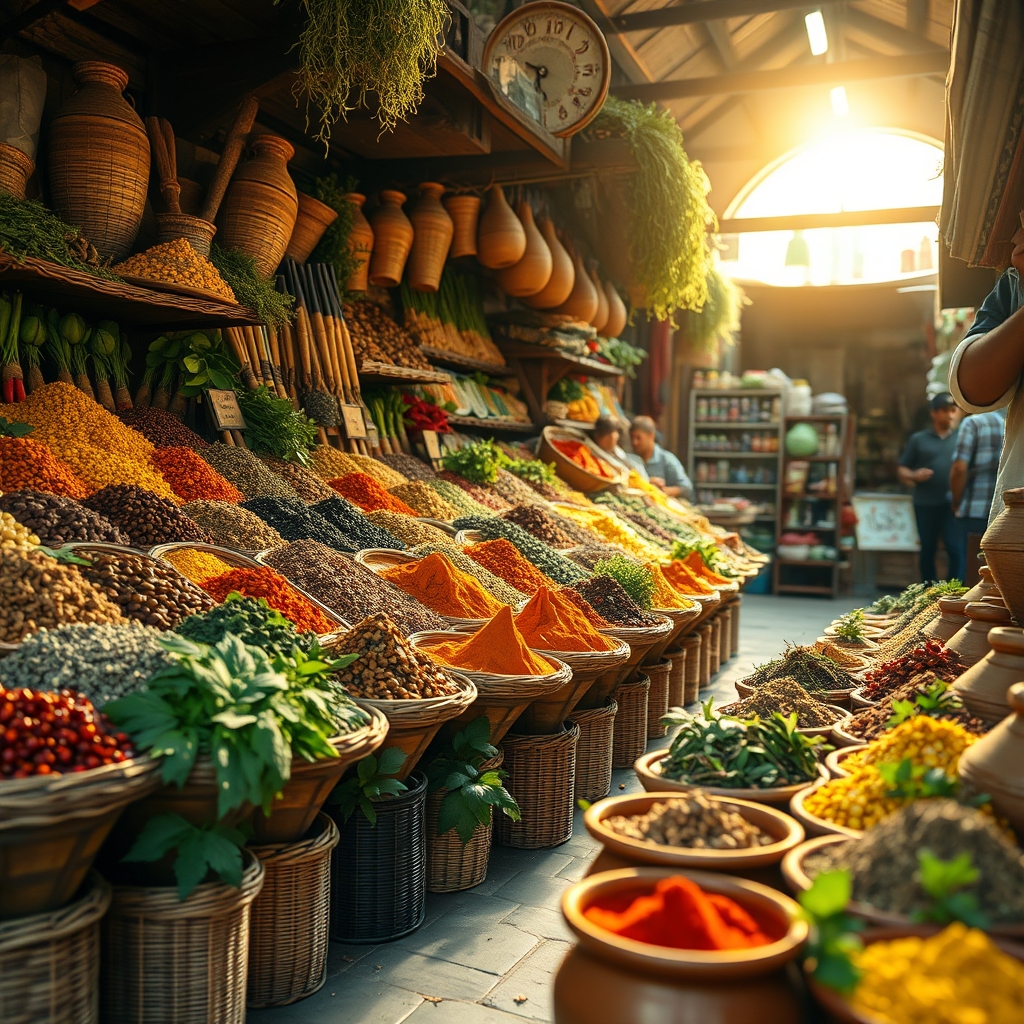
Why Sugar Became Sweeter Than Salt: The Commodity That Dethroned an Empire

This post contains affiliate links. If you purchase through them, I may earn a small commission at no extra cost to you.
The short answer: Sugar replaced salt as the world's most valuable commodity between the 16th and 18th centuries because industrial plantation farming made it abundantly available and affordable, while its addictive properties created unlimited demand in ways salt—a necessity—never could.
How did salt lose its power as the world's most valuable commodity?
Salt dominated global trade for millennia because it was essential for food preservation before refrigeration, making it literally worth its weight in gold in many ancient economies. Roman soldiers were paid in salt (the origin of the word "salary"), and entire trade routes—like the Saharan salt roads—built empires on salt's monopoly. But salt had a fatal flaw: it satisfied a fixed human need. You need X amount of salt to preserve meat. Once you have it, you're done.
Sugar, by contrast, tapped into something deeper: human psychology and the brain's reward system. Sugar doesn't solve a problem; it creates a craving. And unlike salt, there's no natural limit to consumption. This psychological distinction is what ultimately made sugar infinitely more valuable.
The transition began in the 15th century when Portuguese and Spanish colonizers realized that tropical colonies—particularly in the Caribbean and Brazil—could produce sugar in massive quantities. By the 1600s, sugar production had industrialized in ways salt never did. Refineries in London, Amsterdam, and Paris transformed raw cane into white crystals that became synonymous with luxury, wealth, and status.
Why was sugar so expensive before industrialization?
Sugar was luxury goods reserved for nobility because refining cane required skilled labor, specialized equipment, and enormous capital investment in a way that harvesting and selling salt never demanded. In medieval Europe, sugar was rarer than spices and cost roughly equivalent to saffron or precious gems. A single loaf of refined sugar could cost what a working family earned in a month.
This exclusivity created powerful psychology. What the rich had, everyone wanted. Unlike salt—mundane, essential, invisible in food—sugar announced itself. It made food taste better. It created visible pleasure. When medieval feasts began featuring sugared delicacies, they weren't feeding hunger; they were displaying power. A lord's ability to serve sugar proved his wealth and status.
The turning point came in the 1650s when Dutch merchants perfected industrial sugar refining and Caribbean colonies expanded production exponentially. Sugar prices crashed. It went from a substance reserved for apothecaries and aristocrats to something working-class people could afford in their tea. This democratization of sugar—available but still slightly luxurious—created unprecedented global demand.
What role did slavery play in sugar's rise to dominance?
The industrial sugar economy was built on enslaved African labor, which made production so cheap and abundant that sugar could be mass-produced and sold affordably while generating staggering profits. This is not incidental to sugar's story—it's central to understanding why sugar succeeded where salt failed.
Salt could be harvested in almost any coastal region with minimal labor. Sugar required tropical climates, heavy machinery, and crushing physical work in dangerous conditions. European colonizers turned to enslaved people because they needed scalable, controllable labor to maximize profit margins. Between 1500 and 1800, roughly 12 million African people were forcibly transported to the Americas, with a significant portion going to sugar plantations.
This barbaric system created an economy of scale that made sugar cheap enough for mass consumption. By the 1700s, sugar had become the most valuable export in the Atlantic world—more profitable than tobacco, cotton, or any other commodity. Britain built its naval dominance partly on sugar wealth. The triangular trade (manufactured goods to Africa, enslaved people to the Americas, sugar and molasses back to Europe) became the engine of colonial capitalism.
The irony is brutal: sugar's sweetness was chemically identical whether produced by free or enslaved labor, but the human cost of that sweetness was incalculable. The commodity that replaced salt's empire did so through catastrophic human exploitation.
How did sugar rewire human desire and eating habits?
Sugar fundamentally altered what humans wanted to eat by stimulating dopamine pathways in the brain, making sweet foods psychologically compelling in ways that salt—satisfying a biological need—never could. This is neuroscience, not mere preference.
Salt tastes salty. You recognize it, you use it, you're satisfied. Sugar tastes sweet, and the sweetness triggers reward centers in the brain. Repeated exposure to sweetness conditions the brain to seek it again. Sugar literally became wired into the architecture of human desire.
This rewiring happened systematically across the 1700s and 1800s. As sugar became affordable, European and American diets transformed. Desserts became course-based rather than occasional treats. Confectionery became an industry. Jam, candy, sweetened beverages, and pastries shifted from luxury goods to everyday staples. Tea and coffee—themselves stimulating—were served with sugar, multiplying the occasions for consumption.
The average Englishman consumed 4 pounds of sugar per year in 1700. By 1800, it was 18 pounds. By 1900, it was over 90 pounds. This wasn't driven by biological need; it was driven by the addictive properties of sugar combined with its sudden affordability. As the late food historian Sidney Mintz wrote in his essential work on this subject, sugar didn't just change what we ate—it changed what we wanted.
Consider how restaurants optimize for customer preference—they learned early on that sweetness was a universal pleasure that transcended culture and class. Sugar became the easiest path to creating foods people craved.
Key Definitions
- Commodity
- A raw material or primary agricultural product that can be bought and sold, with value determined by global supply and demand rather than individual producer characteristics.
- Refinement (in sugar production)
- The industrial process of purifying raw cane juice into white crystalline sugar, requiring specialized equipment and skilled labor—a technology that salt harvesting never needed.
- Triangular Trade
- The transatlantic commerce system where European ships carried manufactured goods to Africa, traded them for enslaved people, transported those people to the Americas, and returned to Europe with sugar, molasses, and other colonial goods.
- Dopamine pathway
- The neurochemical system in the brain that registers reward and pleasure, which sugar stimulates more intensely than salt, creating psychological desire separate from biological need.
The Bottom Line
Salt ruled the ancient and medieval worlds because humans needed it to survive. Sugar conquered the modern world because humans wanted it—and that wanting was neurological, renewable, and unlimited. The shift from salt to sugar as the world's most valuable commodity reflects a deeper truth about human nature: scarcity creates value, but desire creates empires. That sugar's rise was built on slavery and that it has contributed to modern epidemics of obesity and diabetes reminds us that the sweetest stories often hide the bitterest costs.
Frequently Asked Questions
- When exactly did sugar surpass salt as the most valuable commodity?
- The transition occurred gradually between 1650 and 1750, accelerating as Caribbean sugar production industrialized and prices fell. By the late 1700s, sugar had become the most valuable export in the Atlantic economy, surpassing salt in both total trade value and profit margins.
- Did salt completely disappear from global trade?
- No—salt remained important for food preservation, textile production, and chemical manufacturing. But its market was stable and limited. Once societies had enough salt, demand plateaued. Sugar, by contrast, created unlimited demand as consumption became a cultural and psychological habit.
- How did the sugar industry eventually decline?
- Sugar didn't decline in absolute terms—global consumption continues to rise. However, its dominance as the primary wealth-generating commodity diminished with industrialization and the rise of other sectors like petroleum, electronics, and pharmaceuticals. Today, sugar remains significant but is no longer the singular driver of colonial empires.
For deeper exploration of how food shapes economies and empires, consider reading Salt Fat Acid Heat or Flavors of the Motherland by Steve Monas, which examine the cultural and economic forces that drive our food systems.