Why Pasta Shapes Aren't Just Decoration: The Engineering Behind Every Bite
The short answer: Each pasta shape was engineered to capture, hold, or interact with sauce in a specific way—short tubes trap creamy sauces, long thin strands cling to light oils, and ridged shapes grip chunky ragùs—making the shape a functional design choice, not decoration.
Why do different pasta shapes exist if they're all made from the same dough?
Different pasta shapes exist because sauce delivery, texture, and cooking behavior change dramatically based on surface area, thickness, and internal structure. An Italian chef didn't choose penne over spaghetti for aesthetics; they chose it because penne's hollow tube and angled cuts create pockets that trap cream sauce while allowing forks to grip individual pieces. Spaghetti, by contrast, relies on surface area and twisting technique to coat thin oil-based sauces evenly across long strands.
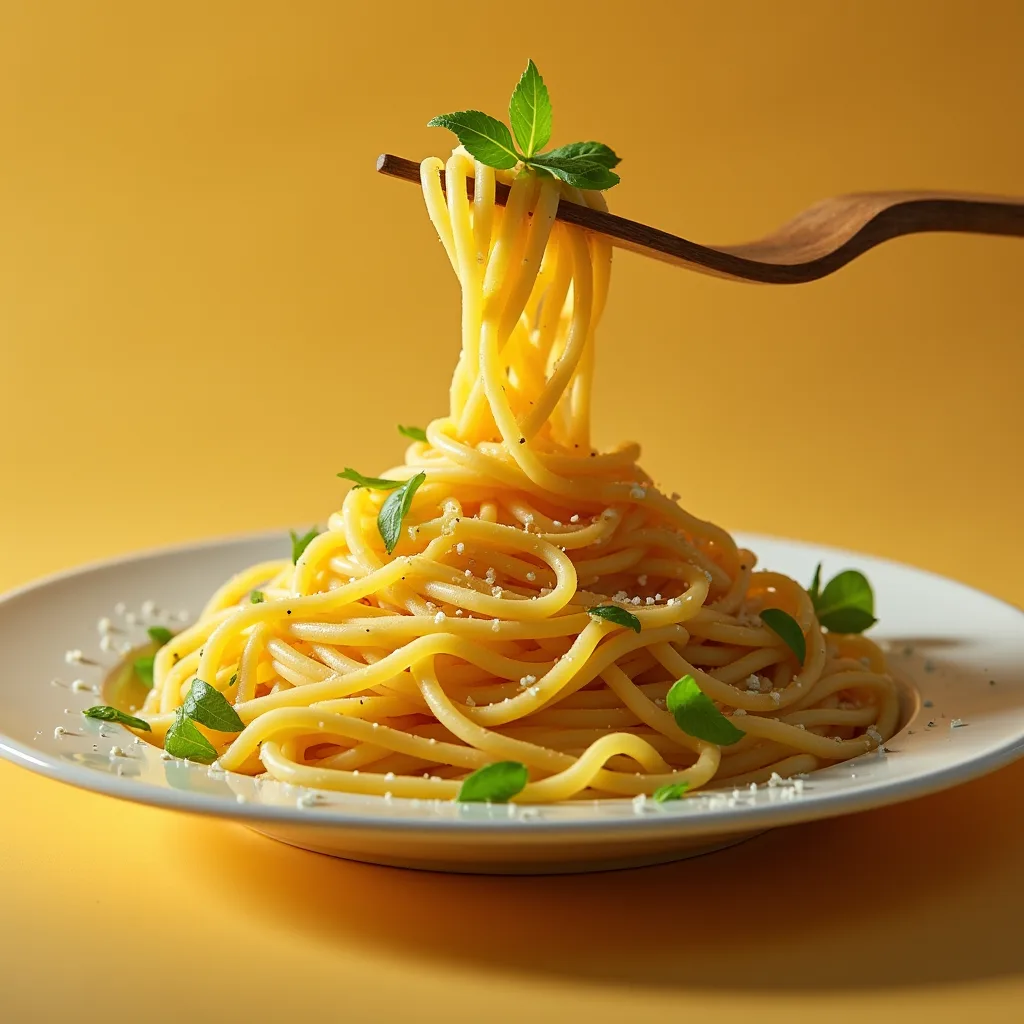
Think of pasta shapes as delivery systems. A chef preparing cacio e pepe (cheese and pepper) needs a shape with enough surface area to coat completely while remaining thin enough to cook evenly in minutes. Spaghetti works. A chef making carbonara needs something sturdy enough that the raw egg-and-cheese mixture adheres without breaking apart during tossing—which is why thick, ridged rigatoni or spaghetti alla carbonara (thicker than regular spaghetti) dominates Roman kitchens. The shape isn't arbitrary. It's the architecture.
What makes a pasta shape work better with certain sauces?
Sauce adherence depends on three engineering factors: surface texture (smooth vs. ridged), internal volume (hollow vs. solid), and length-to-thickness ratio. Understanding these reveals why Italian regional cuisines paired specific shapes with specific sauces over centuries of refinement.
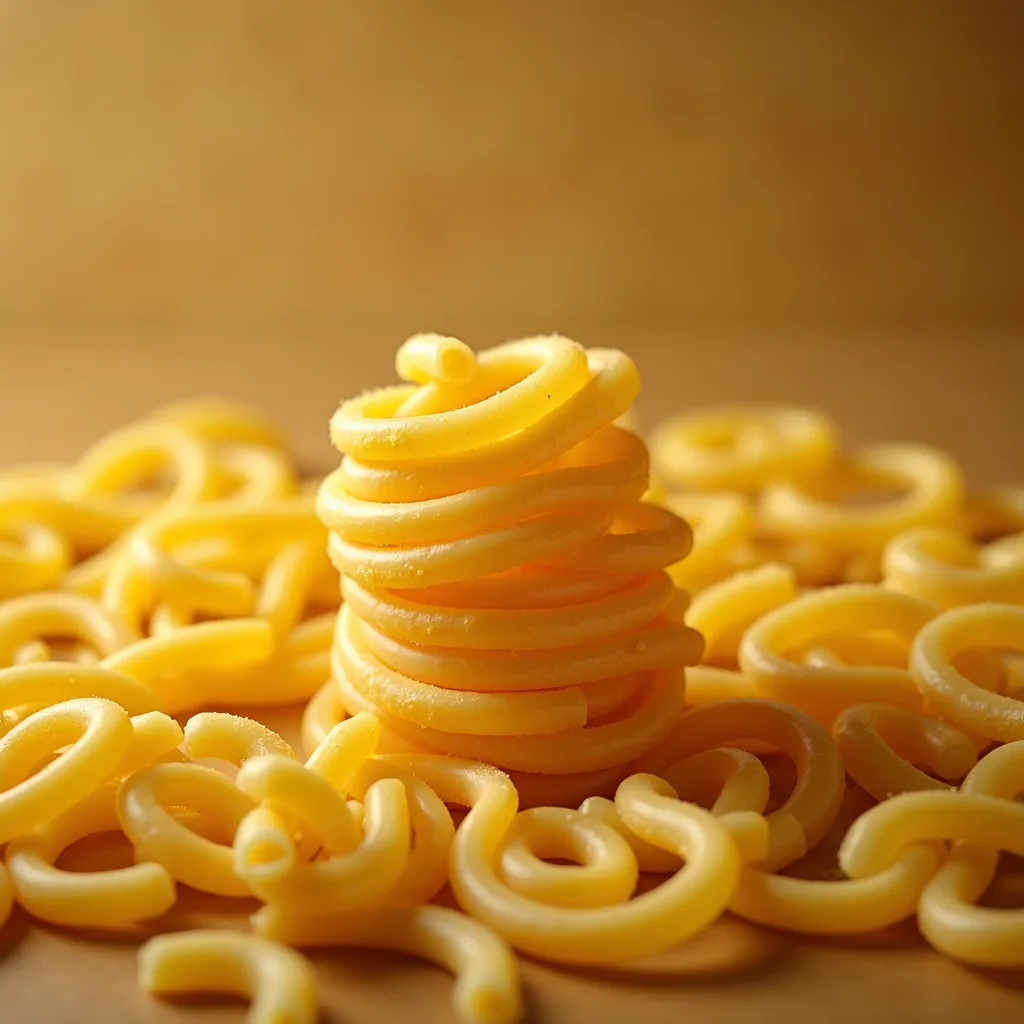
Ridged shapes like rigatoni and penne were engineered for heavy, chunky sauces. The ridges (called rigate in Italian) create micro-channels that trap meat particles, vegetable pieces, and thick tomato sauce the way a sponge traps water. Smooth shapes like bucatini or spaghetti maximize surface area relative to volume, making them ideal for thin, clingy sauces—olive oil, garlic, light cream. Shell-shaped pasta like conchiglie and lumache have actual internal cavities where sauce pools, making them perfect for substantial cream sauces or chunky vegetable preparations.
The Italian principle is biomechanical efficiency. In Naples, where tomato ragùs simmer for hours until they break down into nearly liquid form, long shapes like spaghetti or linguine dominate. In Bologna, where ragù bolognese is thick and meat-forward, wider ribbons like tagliatelle or pappardelle spread the sauce across a broader platform. Neither region's choice was based on availability—both had access to the same wheat. The shape evolved because it delivered the sauce better.
How does pasta thickness and hollow structure change cooking and texture?
Thicker pasta takes longer to cook, requires higher heat to cook through the center, and develops a chewier texture, while hollow pasta (like rigatoni) allows heat to penetrate from both outside and inside, enabling faster, more even cooking.
This is where pasta shape becomes pure engineering. A solid strand of spaghetti cooks from the outside in. The outer layer gelatinizes first, then heat migrates inward through diffusion—a slow process. By the time the center reaches al dente (approximately 180 seconds for regular spaghetti), the outer layer has already begun softening. Hollow shapes like penne or rigatoni solve this problem: heat penetrates the hollow center simultaneously with the exterior, creating more uniform texture and reducing cooking time by up to 30 seconds.
The thickness variable compounds this. Compare angel hair pasta (roughly 1mm diameter) to thick bucatini (2.5mm). Angel hair reaches al dente in 3 minutes; bucatini needs 9-10 minutes. A chef designing a menu knows this. If you're serving a quick, summery pasta with fresh tomatoes and basil, you need a shape that cooks fast and absorbs minimal water—angel hair. If you're building layers of flavor with a slow-simmered sauce, you need bucatini's structure to support the weight and its cooking time to allow the sauce to develop on the plate.
What does "al dente" actually mean in terms of pasta structure?
"Al dente" (to the tooth) refers to the moment when the starch has gelatinized enough to eliminate grittiness but the protein matrix still resists the bite—typically when the pasta's center reaches about 70°C and the starch-water interaction is 65-70% complete.
The texture you feel when you bite into properly cooked pasta is the physical structure of gluten and starch in a specific state. When pasta dries, its starch granules are crystalline and hard. When you cook it, water penetrates the granule, causing it to swell and soften. Too early (undercooked), and the center remains crystalline, creating a chalky, unpleasant mouthfeel. Too late (overcooked), and the granules burst entirely, releasing starch into the water and creating a mushy, paste-like texture.
Al dente is the sweet spot where the granules have swollen enough to soften but haven't ruptured. Different shapes reach this point at different times based on thickness and structure—which is why pasta boxes list different cooking times for different shapes, even when made from identical dough.
Why did Italy develop so many pasta shapes instead of just one universal design?
Italy's regional diversity—different local sauces, seasonal ingredients, and economic conditions—demanded different pasta shapes, and each region perfected the shape that best delivered its signature cuisine.
Southern Italy, closer to North Africa and the Mediterranean, had access to durum wheat and dried pasta early. Shapes like cavatappi and ziti were engineered for thick, sun-based tomato sauces and dried storage. Northern Italy, with wetter climates and access to eggs, developed fresh egg-based shapes like tagliatelle and tortellini that couldn't dry well but created richer, more delicate textures.
Coastal regions developed thin, elegant shapes for seafood-based sauces. Mountain regions created thick, hearty shapes for meat ragùs. This wasn't romantic tradition—it was practical optimization. A Sicilian cook making pasta alla Norma with eggplant and tomatoes needed something that wouldn't break apart when tossed with soft vegetables. Penne (which became iconic in Sicily) offered rigidity and internal cavities. A Venetian cook making pasta in bianco (pasta with butter and cheese) needed something that could absorb richness without becoming greasy—which is why thin, long shapes like spaghetti or linguine work better than chunky tubes.
Over 400 documented pasta shapes exist in Italy today. Not all are common, but each emerged to solve a specific culinary problem. That's engineering, not excess.
How do ridges and grooves affect sauce adhesion at a microscopic level?
Ridges create capillary channels that allow sauce to climb the pasta surface through adhesive forces (capillary action), while also increasing surface area by up to 20%, giving sauce more material to grip and bond with.
This is where food science meets materials engineering. A smooth spaghetti strand has a surface area of approximately 2.5 cm² per 10cm length (simplified). A ridged rigatoni tube has nearly 3.5 cm² for the same length. But the advantage isn't just mathematical—it's physical. When you toss ridged pasta with a chunky ragù, the sauce doesn't just coat the outside. Liquid and small particles flow into the grooves through capillary action, the same force that allows water to climb against gravity in a narrow tube. Once inside the groove, the sauce thickens slightly as water evaporates, creating a stronger mechanical bond.
This is why professional chefs reserve ridged pasta for heavy sauces. Smooth pasta works fine with light sauces because there's nothing thick enough to benefit from capillary adhesion. But with a robust meat sauce or creamy preparation, ridges transform the surface from a two-dimensional plane into a three-dimensional structure designed for grip.
Key Definitions
- Al dente
- The optimal cooked state of pasta where starch granules have swollen and softened but haven't ruptured, creating a tender exterior with a slight resistance to the bite, typically achieved at the center temperature of approximately 70°C.
- Gelatinization
- The process by which starch granules absorb water, swell, and soften during cooking, transforming the rigid crystalline structure into a digestible, edible texture.
- Capillary action
- The physical force that allows liquid to flow into narrow channels and grooves against gravity, creating stronger adhesion between sauce and pasta surface in ridged shapes.
- Rigate
- The Italian term for the ridges or grooves carved into pasta shapes like rigatoni and penne, designed to trap and hold sauce.
- Durum wheat
- A hard wheat variety with high protein and gluten content, ideal for pasta production and capable of drying for long-term storage without cracking or breaking.
The Bottom Line
Pasta shapes aren't decorative whimsy—they're functional design solutions engineered over centuries to optimize how sauce adheres, how heat penetrates, and how the finished dish tastes. The ridges on penne exist for mechanical grip. The hollow center of rigatoni exists to accelerate cooking. The length of spaghetti exists to maximize surface area for light oil-based sauces. Understanding this transforms how you choose pasta for a dish from guesswork into informed, physics-based decision-making. Italian cuisine didn't develop 400 pasta shapes by accident; it developed them because each one solves a specific problem that matters, one bite at a time.
If you want to deepen your understanding of how ingredient structure affects cooking outcomes, check out The Food Lab by J. Kenji López-Alt, which explores the science behind cooking techniques across multiple cuisines. You might also explore how rice conquered the world while wheat fought wars to understand how different grains shaped human civilization, or discover the science of browning to learn how cooking methods unlock flavor at the molecular level.
Frequently Asked Questions
- Does pasta shape actually affect how it tastes?
- Not directly—the wheat, water, and sauce determine flavor. However, shape dramatically affects how much sauce adheres, how evenly heat penetrates, and how the finished dish feels in your mouth. A heavy sauce on thin spaghetti feels different than the same sauce on ridged rigatoni, even though the sauce itself hasn't changed. This textural and sensory difference changes the overall eating experience.
- Can I substitute one pasta shape for another without ruining the dish?
- In a pinch, yes. But you'll compromise the intended balance. Substituting smooth spaghetti for ridged rigatoni in a meat ragù means less sauce clings to each bite. Substituting thick rigatoni for delicate angel hair in a light oil-based sauce means the pasta overwhelms the sauce rather than complement it. The dish remains edible, but you've lost the optimization that makes the pairing work.
- Why do Italian pasta makers insist on bronze dies instead of Teflon for extruding pasta?
- Bronze dies create a rougher surface texture on the pasta compared to Teflon's smooth, polished surface. This roughness microscopically mimics the grooves of traditionally made pasta and helps sauce adhere better. The difference is subtle but measurable in how sauce coats the final cooked pasta—which is why Italian pasta makers consider bronze-extruded pasta superior despite being more expensive and wearing out faster than Teflon dies.