Why Butter Replaced Olive Oil in Northern Europe—And Changed Everything
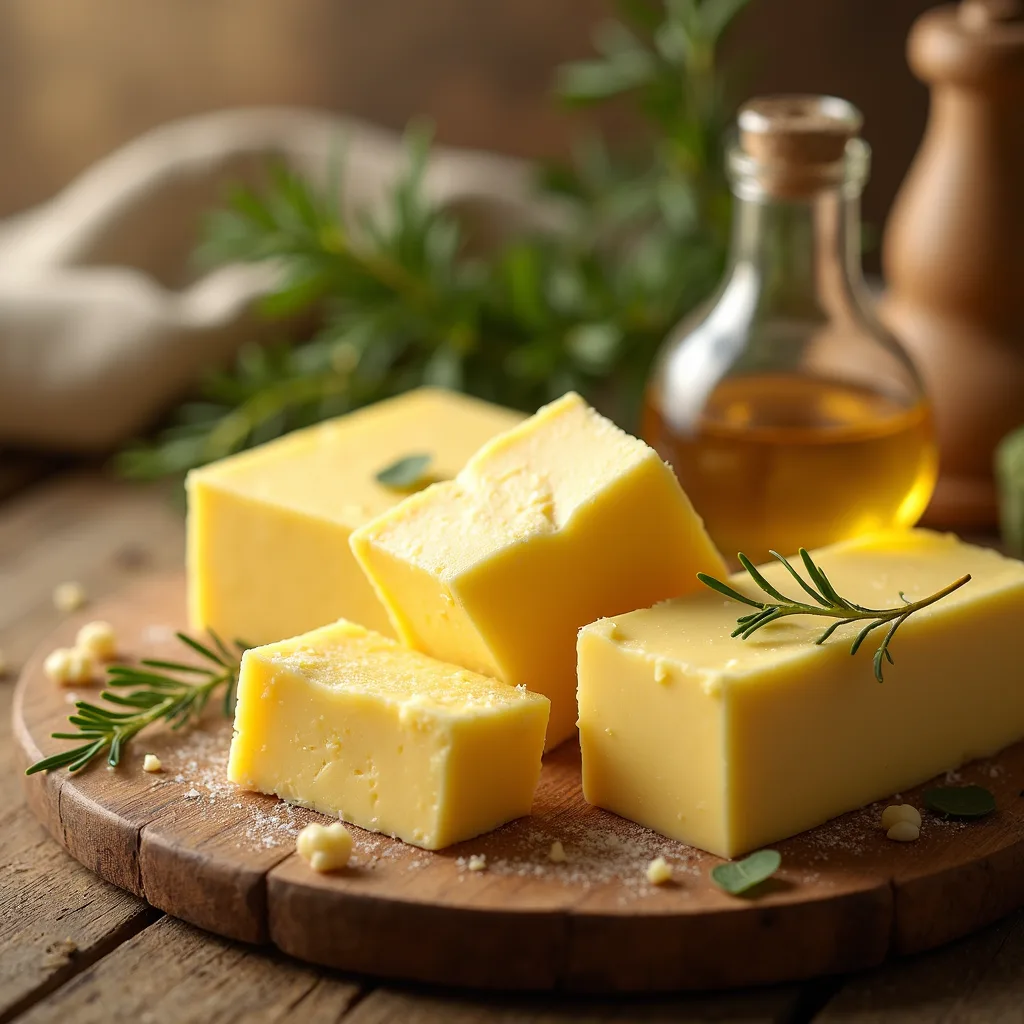
This post contains affiliate links. If you purchase through them, I may earn a small commission at no extra cost to you.
The short answer: Northern Europe's cold climate made olive cultivation impossible, forcing populations to rely on dairy cattle for butter instead—a geographic constraint that created two distinct culinary traditions (Mediterranean olive oil culture vs. Northern European butter culture) that persists across Europe today.
Why Butter Replaced Olive Oil in Northern Europe—And Changed Everything
Food doesn't just taste different across continents—it divides them. Walk from Spain into France, then Germany, and you're crossing not just political borders but culinary fault lines. The Mediterranean world swims in olive oil. Northern Europe spreads butter on everything. This isn't a matter of taste or preference. It's geography writing history on a plate.
The story of how butter conquered the north while olive oil ruled the south reveals something deeper than cuisine: it shows how climate and agriculture shape culture, economics, and identity in ways that echo across centuries.
What climate made butter necessary in Northern Europe?
Olive trees simply cannot survive the harsh winters of Northern Europe, forcing populations to turn to the only reliable fat source available: milk from dairy cattle, which transformed into butter.
Olive trees are delicate. They thrive in the Mediterranean climate—mild, wet winters and hot, dry summers with temperatures rarely dropping below 10°F (-12°C). North of the Alps, winters plunge far below freezing. In Scandinavia, Germany, and Britain, an olive tree wouldn't survive a single season. It's not a choice or a tradition; it's physics.
For thousands of years, Northern Europeans faced a critical problem: they needed fat. Fat was (and remains) essential for energy, flavor, cooking, and preservation. But the crops that produced oil in the south—olives, sesame, nuts—either wouldn't grow or grew poorly in the north's short growing season.
What did grow was grass. Lots of it. And grass meant cows.
By contrast, Southern Europeans inherited the olive tree from ancient civilizations. The Romans cultivated olives across their Mediterranean empire. By the medieval period, olive oil wasn't just food—it was the default fat, the backbone of Southern European cooking, lighting, and trade. The Spanish, Italians, and Greeks didn't choose olive oil because they preferred it; they chose it because nature gave them no other option.
How did dairy cattle become the foundation of Northern European food culture?
Northern Europeans domesticated cattle specifically for milk production, and through centuries of selective breeding and cultural evolution, butter became their primary cooking fat and a cornerstone of identity and trade.
The transition wasn't instant. Early medieval Northern Europe did use animal fats—lard from pigs, rendered animal fat from hunted game. But as populations grew and agriculture became more sophisticated, dairy farming proved far more reliable and sustainable. A cow could produce milk for years; a pig was a one-time resource.
By the medieval period (roughly 500-1500 CE), butter production had become systematized. Monasteries developed advanced techniques for butter-making and storage. The Catholic Church's dietary rules—which forbade meat on certain days—actually accelerated the adoption of dairy products as an alternative protein source. Butter, cheese, and milk became staples of religious communities, which then influenced broader populations.
Northern European cultures didn't just accept butter; they became obsessed with it. By the Renaissance, butter was a luxury export. Dutch and Danish butter commanded premium prices in Mediterranean markets—a reversal of the ancient pattern where oil flowed north. Northern European merchants, particularly in the Netherlands and Denmark, built fortunes on salted butter trade, which could survive long voyages without spoiling.
This created a feedback loop: butter became valuable, so farmers invested in better cattle breeds, better dairy technology, and larger herds. Culture followed economics. Butter became entwined with Northern European identity in ways olive oil became entwined with Mediterranean identity.
Why does this culinary divide still exist today?
Even with modern transportation and global agriculture, Northern and Southern European cuisines remain fundamentally shaped by their historical fat sources—butter traditions persist in Germany, France, and Scandinavia while olive oil dominates Spanish, Italian, and Greek cooking.
You might think that modern commerce would erase these distinctions. Today, you can buy olive oil in Stockholm and butter in Athens. So why does French cuisine still center on butter while Spanish cuisine centers on olive oil?
The answer involves culture and identity. Food traditions run deep. They're taught in families, encoded in classic recipes, embedded in national pride. A French chef using olive oil instead of butter would feel like a betrayal of culinary heritage—not because olive oil doesn't work, but because butter is what makes French food "French." Similarly, an Italian cook substituting butter for olive oil would be abandoning tradition.
These culinary divides also have economic and agricultural dimensions. France, Denmark, and the Netherlands still have massive dairy industries. Changing would mean dismantling centuries-old supply chains and farmer livelihoods. Mediterranean countries have invested for millennia in olive groves—ancient trees that produce for 300+ years. You don't rip out a family's olive orchard because transportation got better.
The culinary divide also reflects deeper cultural values. Mediterranean olive oil culture emphasizes slowness, terroir (connection to place), and ancient tradition. Northern European butter culture emphasizes richness, preservation, and practical abundance. These aren't just cooking fats; they're expressions of how different regions view food itself.
As food writer and author Flavors of the Motherland explores, our deepest food choices reflect geography and history as much as taste. The same principle applies here: geography divided Europe's cooking fats 2,000 years ago, and those divisions are still alive in your kitchen today.
What other foods were shaped by this geographic split?
The butter-versus-olive-oil divide cascaded through entire cuisines, creating distinct patterns in everything from bread and soups to preserved vegetables and dairy products.
Understanding this single geographic constraint reveals why Northern and Southern European food cultures diverged so dramatically:
Bread: Northern European bread tends toward richness—butter, eggs, and dairy in brioche, challah, and sweet breads. Mediterranean bread is simpler: flour, water, salt, sometimes olive oil. The recipes reflect what was abundant locally.
Soups and stews: French classics like beurre blanc (butter sauce) and cream-based soups define fine dining in the north. Italian minestrone uses olive oil as its base. Spanish gazpacho relies on olive oil as its primary fat. The choice of fat shaped entire genres of cooking.
Preservation: Before refrigeration, fat preservation was crucial. In the north, butter and lard preserved everything from vegetables to meat. In the south, olive oil's higher smoke point and stability made it ideal for preserving vegetables in oil. These practical differences became culinary traditions.
Dairy products: Northern Europe developed an obsession with cheese, yogurt, and sour cream because dairy farming was central to survival. Southern Europe developed feta and similar brined cheeses but never created the vast range of soft cheeses (brie, camembert, gruyère) that characterize the north.
As we explore in our piece on why food connects us across time and distance, the foods we eat carry the fingerprints of our geography.
Key Definitions
- Terroir
- The environmental conditions (climate, soil, topography) that give food its characteristic flavor and connect it to a specific place. A key concept in Mediterranean food culture, particularly with olive oil and wine.
- Culinary tradition
- The inherited cooking practices, recipes, and food values passed down through generations within a culture, shaped by geography, history, and available ingredients.
- Smoke point
- The temperature at which a fat begins to break down and smoke. Olive oil has a lower smoke point than many animal fats, affecting how it's used in cooking.
- Dairy farming
- Agricultural practice focused on raising cattle, goats, or sheep for milk production, which can be processed into butter, cheese, yogurt, and other products.
- Medieval agriculture
- The farming systems and food production methods used in Europe roughly between 500-1500 CE, characterized by feudalism, seasonal rhythms, and limited trade.
How did geography shape other major culinary divides in world food history?
Geography has consistently determined which staple carbohydrates, proteins, and cooking techniques dominated different regions—rice in Asia, potatoes in the Americas, wheat in the Mediterranean.
The butter-versus-olive-oil story is just one example of geography writing culinary law. In why tomatoes took 500 years to conquer European cuisine, we see how even crops with revolutionary potential take centuries to integrate into food cultures. Similarly, fermentation techniques developed independently in different regions based on their climates and available ingredients—kimchi in Korea, sauerkraut in Northern Europe, miso in Japan.
Geography shapes food, and food shapes everything else: trade patterns, health outcomes, wealth distribution, and even national identity.
The Bottom Line
Butter didn't replace olive oil in Northern Europe because Northern Europeans preferred it—butter replaced olive oil because geography made it the only option. Cold winters kill olive trees. Grass grows abundantly. Cows produce milk. Milk becomes butter. Over centuries, this geographic reality became cultural identity, economic power, and culinary tradition. Today, even with global trade and modern agriculture, we still eat the foods our climate forced our ancestors to eat. The butter-olive oil divide isn't about taste; it's about history written in soil and climate, and it's still shaping what we cook and eat.
Frequently Asked Questions
- Can olive trees grow in Northern Europe today?
- Technically, in a few protected microclimates and with modern greenhouse technology, small olive trees can be cultivated in parts of Southern England or coastal France. However, commercial olive farming remains impossible in most of Northern Europe due to winter temperatures, and the economics have never justified the attempt given established dairy and butter industries.
- Which European countries use primarily butter versus olive oil?
- Butter dominates in France, Germany, Belgium, Denmark, Sweden, Norway, and the UK. Olive oil dominates in Spain, Italy, Greece, and Portugal. Central European countries like Poland and Austria use both, with butter more prevalent in colder regions and olive oil increasing in warmer southern areas.
- Has climate change affected this divide?
- Slightly. Warming temperatures have allowed small-scale olive cultivation in parts of Southern England and France that were previously impossible. However, the infrastructure, cultural preferences, and economic incentives to maintain traditional butter production remain so strong that the culinary divide shows little sign of shifting, despite climate change.


