Why Butter Matters More Than Technique: What Restaurant Chefs Won't Tell You
This post contains affiliate links. If you purchase through them, I may earn a small commission at no extra cost to you.
The short answer: Butter is the foundational ingredient that elevates food from mediocre to transcendent because it carries flavor, creates texture, and builds richness in ways no technique alone can replicate—and most home cooks abandon it first in pursuit of perfection.
Why Butter Matters More Than Technique: What Restaurant Chefs Won't Tell You
You've watched the cooking shows. You've memorized the knife cuts. You've practiced your mise en place until your cutting board is a surgical theater. And yet, when you plate your dinner, something feels off. It tastes flat. Uninspiring. Like a photograph of food rather than food itself.
Here's what nobody tells you: technique is the skeleton. Butter is the blood.
The difference between a Michelin-starred kitchen and a home cook's struggle isn't always about precision or credentials. It's about understanding that butter—real, high-quality butter—is the non-negotiable foundation of exceptional cooking. While amateurs obsess over searing temperatures and plating angles, professional chefs are quietly building flavor architecture with one of the most powerful ingredients available.
What makes butter so much more important than cooking technique?
Butter contains fat-soluble flavor compounds and milk solids that create depth, richness, and mouthfeel that no other ingredient—and no technique—can replicate on its own. When you sear a piece of fish or brown a vegetable, you're creating the Maillard reaction, yes. But that reaction happens in a void without fat. Butter doesn't just cook your food; it transforms it by carrying flavor molecules directly to your palate in ways that water-based sauces and oils cannot.
A perfectly executed pan-sear means nothing if your butter is mediocre. A flawlessly constructed beurre blanc becomes forgettable without European-style butter. You can have the technique of a trained chef and still produce disappointing food because you're working with a second-rate ingredient.
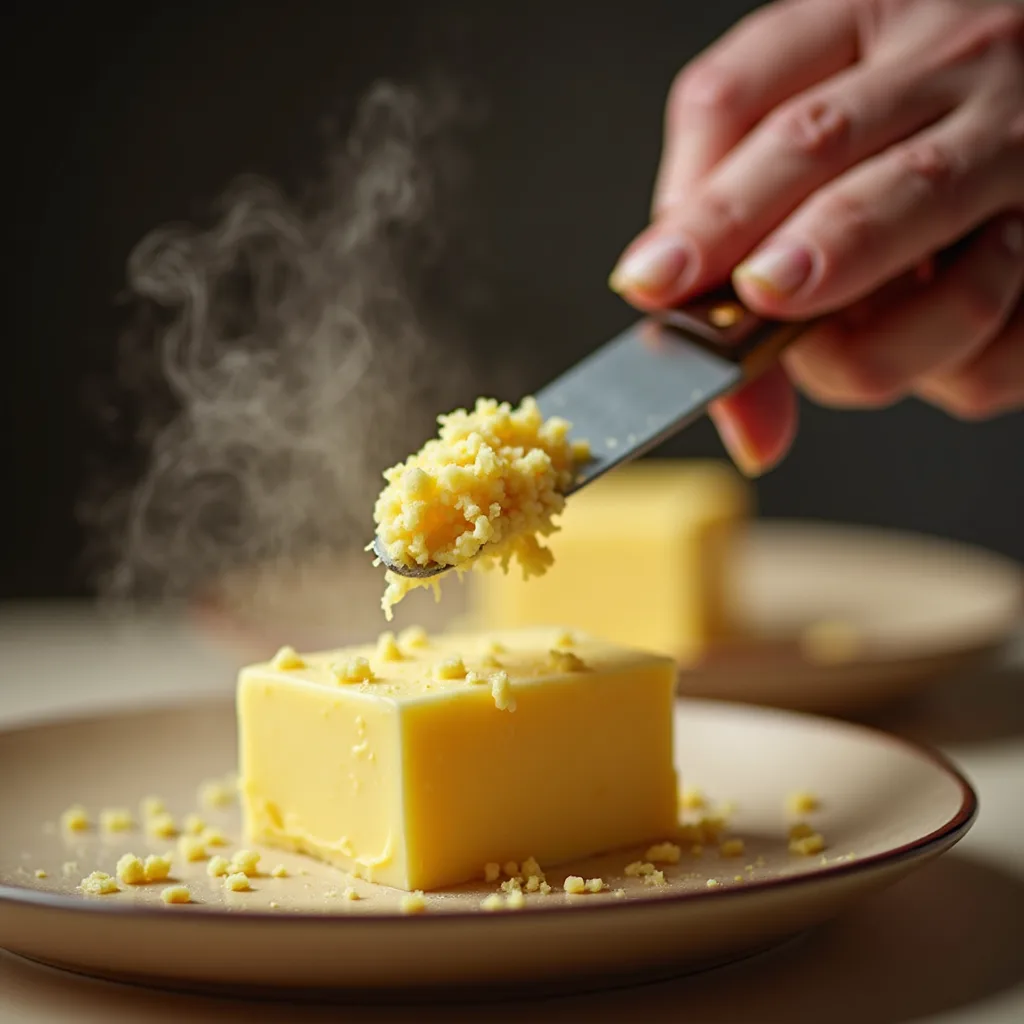
Consider the difference between cooking a steak in neutral oil versus finishing it with real butter. The oil gets the job done. The butter tells a story. The milk solids in butter (about 15-20% of its composition) brown and create complex, nutty, caramel-like notes that no amount of technique can manufacture. This is why French cuisine, arguably the world's most technique-obsessive tradition, treats butter like gold.
The irony is cruel: once home cooks commit to "healthier eating" or calorie counting, butter is the first casualty. And with it goes the very thing that made their cooking worth eating in the first place.
Why do restaurant chefs keep this secret from home cooks?
They don't keep it secret—home cooks simply aren't listening because they've been conditioned to fear butter and chase techniques instead. Watch a culinary school instructional video, and the emphasis is always on knife skills, temperature control, and plating. You'll rarely hear someone say, "The real magic happens when you use real butter."
This isn't because chefs don't know. It's because the food media has created a narrative around technique as the path to mastery. Technique is teachable. It's quantifiable. You can show someone a julienne cut or a proper deglazing method. But telling someone "use better butter" feels simplistic. It feels like cheating. It doesn't fill a 300-page cookbook or a 13-week culinary program.
Meanwhile, in the kitchens where food actually tastes exceptional, butter is treated as a primary ingredient, not a garnish. A professional kitchen will spend $8 per pound on high-fat, high-milk-solids European butter without blinking. A home cook will buy the cheapest salted butter at the supermarket and wonder why their hollandaise tastes thin.
The chef's secret, then, isn't really a secret. It's simply that professionals understand what amateurs haven't yet learned: ingredients matter more than the song and dance you perform with them.
How does butter quality actually affect the taste of food?
Butter quality determines fat content (which affects mouthfeel), milk solids composition (which creates flavor depth), and moisture levels (which impact texture and browning). American commercial butter typically contains 80% butterfat and 15-17% water. European-style butter contains 82-86% butterfat, with lower water content and higher milk solids.
That 4-6% difference isn't trivial. It's the difference between a sauce that clings to pasta like silk and one that slides off. It's the difference between a brown butter that smells like toasted hazelnuts and one that smells like... well, butter. It's the difference between a beurre blanc that feels luxurious on your tongue and one that feels oily and flat.
Consider also: butter from grass-fed cattle tastes different than butter from grain-fed cattle. The beta-carotene in grass creates a deeper yellow color and a more complex flavor profile. A $4 pound of mass-produced butter and a $7 pound from a local creamery aren't just different prices—they're different ingredients with different cooking properties.
When you brown butter, the milk solids separate and toast. This is where flavor lives. But if your butter is mostly water and lacks robust milk solids, browning it produces nothing but a pale, flat result. You can execute the technique perfectly—low heat, constant attention, the right timing. But if the ingredient is wrong, the outcome will be disappointing.
This is why technique without ingredient knowledge is like being a musician with perfect technique and no ear for music.
What specific techniques are most dependent on quality butter?
Emulsified sauces (hollandaise, béarnaise, beurre blanc), brown butter applications, finishing sauces, and pastry all depend critically on butter quality because they lack other flavor carriers to mask inferior ingredients.
A mayonnaise can hide mediocre oil because it's balanced against egg and acid. A vinaigrette can compensate for weak oil with enough mustard and vinegar. But a beurre blanc? It's butter, water, and acid. There's nowhere to hide. The butter has to be excellent, or the dish fails.
Pastry is even more unforgiving. The lamination in croissants, the flakiness in pie crust, the tender crumb in butter cookies—all of these depend on butter's specific crystalline structure. Use the wrong butter, and your croissants become dense and greasy. Your pie crust becomes tough. Your cookies spread into lace.
Brown butter desserts and sauces present the most dramatic difference. A brown butter cake made with supermarket butter tastes like... buttered cake. Made with European-style butter from cultured cream? It tastes like it was baked in a French patisserie.
Where does the idea that technique matters more than ingredients come from?
Western culinary education historically prioritized technique as the teachable, measurable skill that separated professionals from home cooks, while treating ingredients as secondary or accessible variables.
This bias runs deep in culinary schools and cooking media. If you teach someone knife skills, they can apply those skills everywhere. If you tell them to use better butter, they might argue that they can't afford it or can't find it. Technique feels universal. Ingredients feel optional.
But compare this to other ingredient-driven traditions: Japanese cuisine, Italian cooking, Levantine food. In these traditions, ingredient quality isn't optional—it's foundational. You don't learn to make Japanese dashi and then decide you'll substitute the kombu and bonito. You don't learn to make Italian pasta and then use low-quality flour because it's cheaper. The ingredient is the dish.
French cooking understood this about butter centuries ago. But that understanding got lost in translation when American cooking schools began to teach French technique while divorcing it from the ingredient philosophy that made it work.
Key Definitions
- Maillard Reaction
- A chemical reaction between amino acids and sugars that occurs when food is heated above 300°F, creating brown color and complex, savory flavors. Butter enhances this reaction by carrying the resulting flavor compounds to your palate more effectively than water-based mediums.
- Milk Solids
- The solid components of milk (proteins and carbohydrates) that separate from butterfat during churning. When browned, milk solids create nutty, caramel-like flavors that are central to brown butter's appeal and complexity.
- European-Style Butter
- Butter made from cultured cream (cream fermented before churning) with higher butterfat content (82-86%) and lower water content than standard American butter, resulting in richer flavor and different baking properties.
- Emulsification
- The process of combining two immiscible substances (like fat and water) into a stable mixture, as in hollandaise or mayonnaise. Butter's milk solids and water content make it essential to creating stable emulsions.
- Lamination
- A pastry-making technique where layers of butter are folded into dough to create flaky layers. Butter quality directly affects how these layers separate and puff during baking, determining final texture.
The practical path forward: Choosing and using better butter
If you're committed to making your cooking exceptional, here's what professionals know: start with European-style butter. Look for brands like Échiré, Plugrá, or Vermont Creamery. Yes, it costs more. But a pound of excellent butter will improve your cooking more than a week of technique practice.
Keep two types on hand: unsalted for cooking and baking (where you control salt), and cultured butter for finishing and eating plain (where the funk and complexity shine). Use it generously. Not wastefully, but without the guilt that diet culture has installed in you.
Brown your butter intentionally. Listen for the moment when the milk solids stop popping and start smelling like hazelnuts. That moment is technique meeting ingredient, and it's where magic happens.
Use butter to finish dishes—a knob melted into a pan sauce, whisked into a vegetable, folded into a grain. This is where professionals separate themselves from amateurs. The technique of a perfect sear means nothing if you're not finishing with butter.
And here's the secret within the secret: understanding butter quality will make you a better cook faster than any technique ever could, because it will teach you to taste and think like a professional. Once you've experienced what exceptional butter tastes like, you'll start noticing how it elevates everything it touches. That awareness is the foundation of real cooking skill.
If you want to dive deeper into the science and philosophy of cooking with ingredient quality as your foundation, On Food and Cooking by Harold McGee is essential reading. For hands-on understanding of how technique and ingredients interact, The Food Lab by J. Kenji López-Alt is invaluable. And for cultural context on how ingredient-driven cooking traditions approach butter and fat, Steve Monas' Flavors of the Motherland explores how authentic cuisines prioritize quality ingredients over flashy technique.
The Bottom Line
Butter matters more than technique because it's the carrier of flavor, the builder of texture, and the foundation of richness that no knife skill or cooking method can replicate alone. Restaurant chefs don't announce this secret because it contradicts the narrative of technique-driven mastery that dominates culinary education—but every exceptional dish you've eaten was built on this simple truth: use the best butter you can afford, and use it generously, and your cooking will transform.
Frequently Asked Questions
- Is there a real difference between expensive and cheap butter, or is it marketing?
- There is a measurable, significant difference. High-quality butter has higher butterfat content (82-86% vs. 80%), lower water content, and more robust milk solids. These differences directly affect taste, texture, and browning. European-style butter from cultured cream also contains lactic acid compounds that create distinct flavor complexity. The difference is chemical and sensory, not marketing.
- Can I get by with technique if I use cheap butter, or will it always show?
- Technique cannot overcome poor butter in dishes where butter is a primary ingredient—emulsified sauces, brown butter preparations, and pastry will all suffer noticeably. In dishes where butter plays a supporting role (like a steak pan sauce with wine and herbs), mediocre butter is less obvious. But the ceiling on how good your food can taste is permanently lowered with poor ingredients.
- Does grass-fed butter really taste better, or is it just more expensive?
- Grass-fed butter from grass-fed cattle tastes demonstrably different. Beta-carotene in grass creates a deeper yellow color and more complex flavor profile. However, "grass-fed" is a spectrum—butter from cattle on good pasture tastes significantly better than butter from cattle in feedlots. Quality of grazing matters. This isn't marketing; it's biochemistry.