Unveiling the Secrets of Ancient Mesopotamia
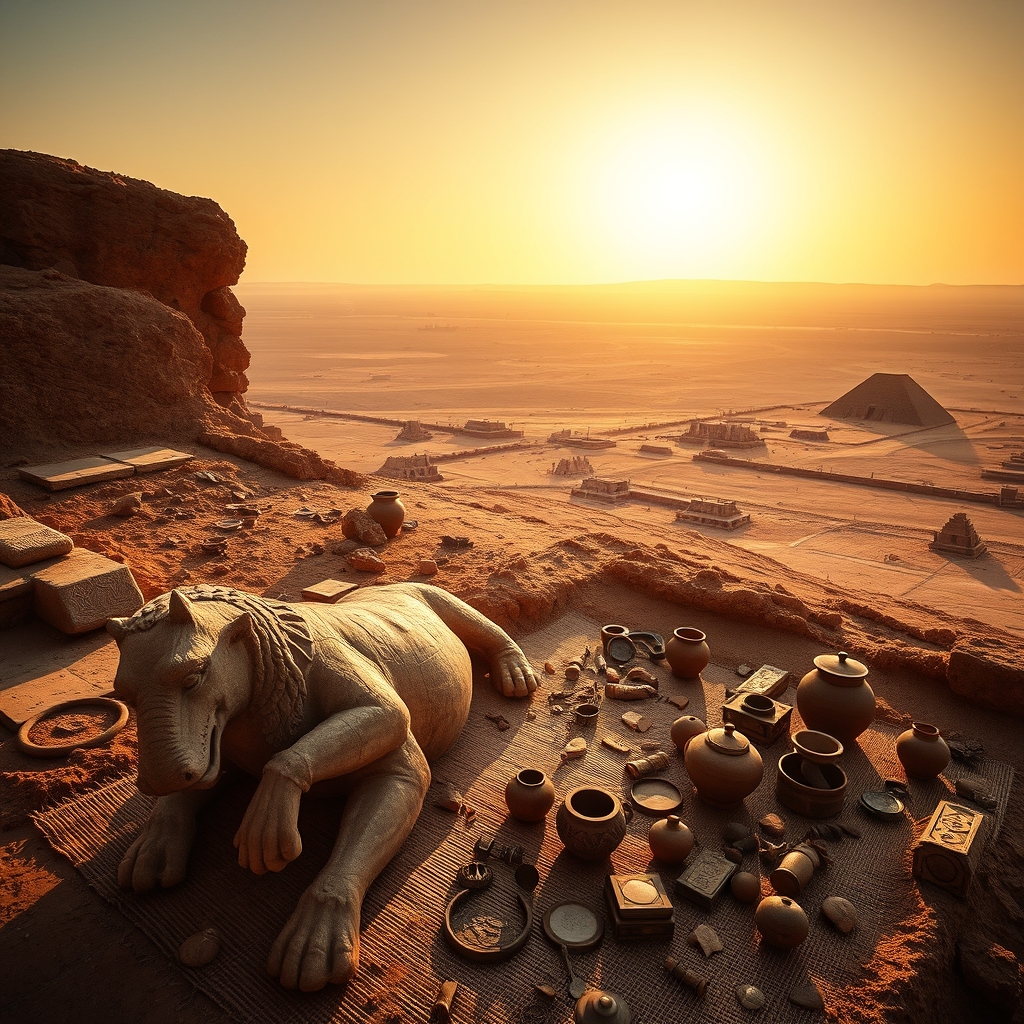
As I delve into the history of ancient Mesopotamia, I am constantly amazed by the sheer ingenuity and resilience of its people. The region, which corresponds to modern-day Iraq, Kuwait, and parts of Syria, Turkey, and Iran, is often referred to as the "cradle of civilization" – and for good reason. It was here that some of the most significant advancements in human history took place, from the invention of writing and the development of sophisticated irrigation systems, to the creation of complex city-states and the emergence of powerful empires.
One of the most fascinating aspects of ancient Mesopotamian culture is its rich literary heritage. The Epic of Gilgamesh, which dates back to around 2100 BC, is widely considered to be one of the earliest surviving works of literature. This epic poem tells the story of Gilgamesh, a king of Uruk, who embarks on a series of adventures and quests, including a search for immortality. The epic is a testament to the sophistication and creativity of Mesopotamian writers, who were able to craft compelling stories that have stood the test of time.
In addition to its literary achievements, ancient Mesopotamia was also home to some of the most impressive architectural feats of the ancient world. The Hanging Gardens of Babylon, one of the Seven Wonders of the Ancient World, were said to be a marvel of engineering, with lush gardens and trees suspended high above the ground. The ziggurats, or stepped pyramids, that dotted the landscape were not only impressive structures but also played a crucial role in the religious and cultural practices of the Mesopotamians.
The Rise of City-States
The city-states of ancient Mesopotamia, such as Ur, Uruk, and Babylon, were the hubs of commerce, culture, and learning. These cities were often surrounded by walls and were home to bustling markets, temples, and palaces. The city-states were also frequently at odds with one another, vying for power and resources in a region where water was scarce and competition was fierce. Despite these challenges, the city-states of Mesopotamia were able to thrive, producing some of the most significant cultural and scientific advancements of the ancient world.
The Mesopotamians were skilled traders and merchants, with a vast network of trade routes that stretched from the Mediterranean to the Indus Valley. They traded goods such as grains, textiles, and metals, and their merchants were known for their shrewd business acumen and their ability to navigate the complex web of trade agreements and alliances. The city-states were also home to a thriving class of artisans and craftsmen, who produced exquisite works of art, from intricate jewelry to beautifully crafted pottery.
The Legacy of Mesopotamia
Despite the many achievements of ancient Mesopotamia, the region eventually declined, due in part to the rise of powerful empires such as the Persians and the Romans. However, the legacy of Mesopotamia can still be seen today, in the many cultures and civilizations that it influenced. The Mesopotamians' contributions to the development of writing, governance, and architecture can be seen in the modern-day cultures of the Middle East, Europe, and beyond. The region's rich cultural heritage continues to inspire artists, writers, and historians, and its history remains a source of fascination for people around the world.
In recent years, there has been a renewed interest in the history and culture of ancient Mesopotamia, with many museums and cultural institutions exhibiting artifacts and artworks from the region. The British Museum's collection of Mesopotamian artifacts, for example, is one of the largest and most comprehensive in the world, with over 100,000 objects on display. These exhibitions not only provide a glimpse into the daily lives of the Mesopotamians but also serve as a reminder of the enduring legacy of this ancient civilization.
Uncovering the Secrets of the Past
As we continue to uncover the secrets of ancient Mesopotamia, we are reminded of the importance of preserving our cultural heritage. The region's history is a complex and multifaceted one, full of stories of triumph and tragedy, of great leaders and ordinary people. By studying the history and culture of Mesopotamia, we can gain a deeper understanding of the complexities of human society and the ways in which our ancestors lived, worked, and interacted with one another. Whether through archaeology, literature, or art, the secrets of ancient Mesopotamia continue to captivate and inspire us, offering a glimpse into a world that is both familiar and yet, utterly foreign.
I explored a related angle in The Forgotten Libraries of Timbuktu if you want to keep pulling this thread.
As I reflect on the history of ancient Mesopotamia, I am struck by the sheer breadth and depth of its cultural achievements. From the invention of writing to the development of sophisticated irrigation systems, the Mesopotamians were a people of remarkable ingenuity and creativity. Their legacy can be seen in the many cultures and civilizations that they influenced, and their history remains a source of fascination for people around the world. As we continue to uncover the secrets of the past, we are reminded of the importance of preserving our cultural heritage and of the enduring power of human creativity and ingenuity.