Uncovering the Secrets of Angkor Wat
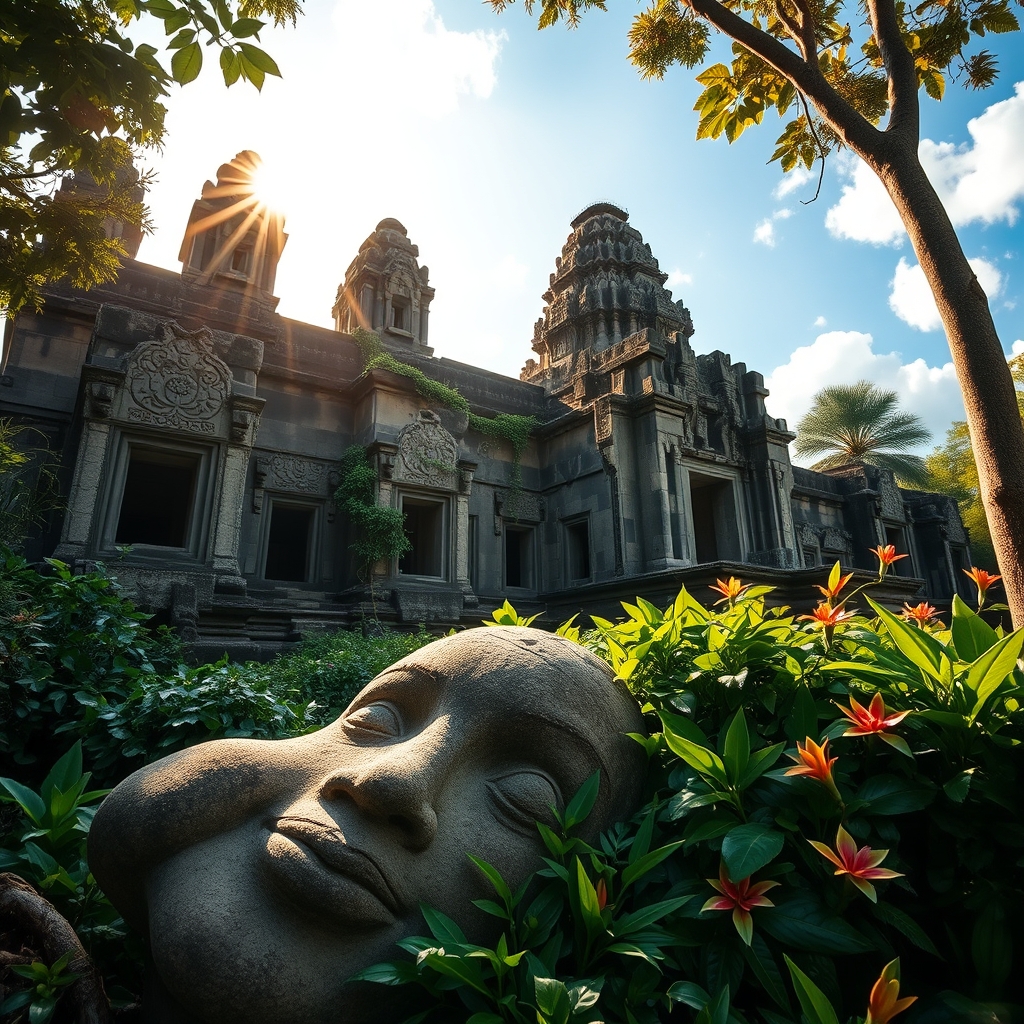
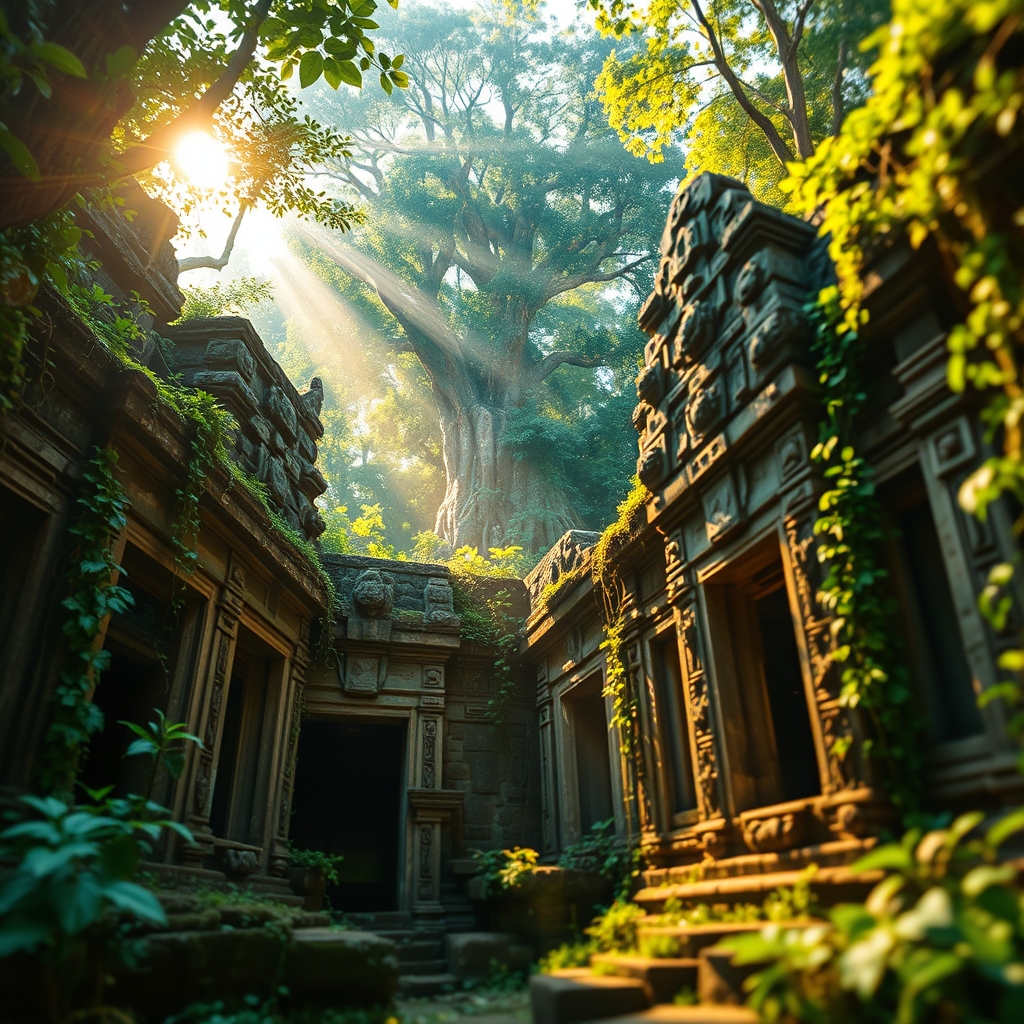
As I stepped into the ancient temple complex of Angkor Wat, I couldn't help but feel a sense of awe and wonder. The sheer scale and intricate carvings of the structures left me breathless. But Angkor Wat is more than just a stunning archaeological site – it's a window into the history and culture of ancient Cambodia. In this blog post, I'll delve into the secrets and stories behind this incredible place, and explore what makes it so unique and fascinating.
Angkor Wat was built in the 12th century during the reign of King Suryavarman II, and it's believed to have taken thousands of workers and artisans over 30 years to complete. The complex is a testament to the advanced engineering and architectural skills of the ancient Khmer people, who designed and built the temple using sandstone, brick, and laterite. The intricate carvings and bas-reliefs that adorn the walls of Angkor Wat depict scenes from Hindu mythology, as well as everyday life in ancient Cambodia. From the majestic towers and grand halls to the serene gardens and tranquil pools, every aspect of Angkor Wat seems to have been carefully planned and executed to create a sense of harmony and balance.
Unraveling the Mysteries of Angkor Wat's Past
Despite its grandeur and beauty, Angkor Wat remains somewhat of an enigma. Historians and archaeologists have long debated the purpose and meaning behind the temple complex, with some believing it was built as a tomb for King Suryavarman II, while others think it was a temple dedicated to the Hindu god Vishnu. Recent research has shed new light on the history of Angkor Wat, suggesting that it was likely a combination of both – a temple complex that served as a spiritual center, as well as a mausoleum for the king. The discovery of ancient texts and inscriptions has also helped to uncover the daily life and rituals of the people who lived and worshipped at Angkor Wat, providing a fascinating glimpse into the culture and traditions of ancient Cambodia.
One of the most intriguing aspects of Angkor Wat is its alignment with the celestial bodies. The temple's architecture is designed to reflect the movements of the sun, moon, and stars, with the towers and walls carefully positioned to align with the solstices and equinoxes. This alignment is not just a coincidence – it's a deliberate design choice that reflects the ancient Khmer people's deep understanding of astronomy and their connection to the natural world. As I walked through the temple complex, I couldn't help but feel a sense of wonder at the ingenuity and sophistication of the people who built Angkor Wat, and the way they seamlessly integrated their spiritual and scientific knowledge into their daily lives.
Exploring the Wider Context of Angkor Wat
Angkor Wat is not just an isolated archaeological site – it's part of a larger cultural and historical landscape that spans the entire region. The temple complex is situated near the modern town of Siem Reap, which has grown up around the site and now serves as a hub for tourism and cultural exchange. As I explored the surrounding countryside, I was struck by the rich cultural heritage of the area, from the vibrant markets and festivals to the traditional crafts and artisans who continue to practice their skills to this day. The people of Cambodia are fiercely proud of their history and culture, and Angkor Wat is a powerful symbol of their national identity and heritage.
Despite the many challenges and hardships that Cambodia has faced in recent years, Angkor Wat remains a source of inspiration and hope for the country. The temple complex has been the subject of extensive restoration and conservation efforts, which have helped to preserve the site for future generations. As I watched the sun set over Angkor Wat, casting a golden glow over the temple complex, I felt a sense of gratitude and respect for the people who built this incredible place, and for the ongoing efforts to protect and preserve it. Whether you're a history buff, a culture vulture, or simply someone who appreciates the beauty and wonder of the world, Angkor Wat is a must-see destination that is sure to leave you in awe.
Preserving the Legacy of Angkor Wat
As I reflected on my time at Angkor Wat, I couldn't help but think about the importance of preserving this incredible site for future generations. The temple complex is not just a historical relic – it's a living, breathing part of Cambodia's cultural heritage, and it continues to play an important role in the country's spiritual and cultural life. Efforts to conserve and restore Angkor Wat are ongoing, and they require the support and involvement of people from around the world. Whether through donations, volunteering, or simply spreading the word about the importance of preserving our cultural heritage, we can all play a role in helping to protect Angkor Wat and ensure its survival for generations to come.
I explored a related angle in The Forgotten Libraries of Timbuktu if you want to keep pulling this thread.
In conclusion, Angkor Wat is a truly unique and fascinating place that offers a glimpse into the history and culture of ancient Cambodia. From its intricate carvings and bas-reliefs to its alignment with the celestial bodies, every aspect of the temple complex seems to have been carefully planned and executed to create a sense of harmony and balance. As we continue to learn more about Angkor Wat and its significance, we are reminded of the importance of preserving our cultural heritage and protecting this incredible site for future generations. Whether you're planning a trip to Cambodia or simply interested in learning more about this incredible place, I hope this blog post has inspired you to explore the secrets and stories of Angkor Wat.