Unraveling the Mystique of Pompeii
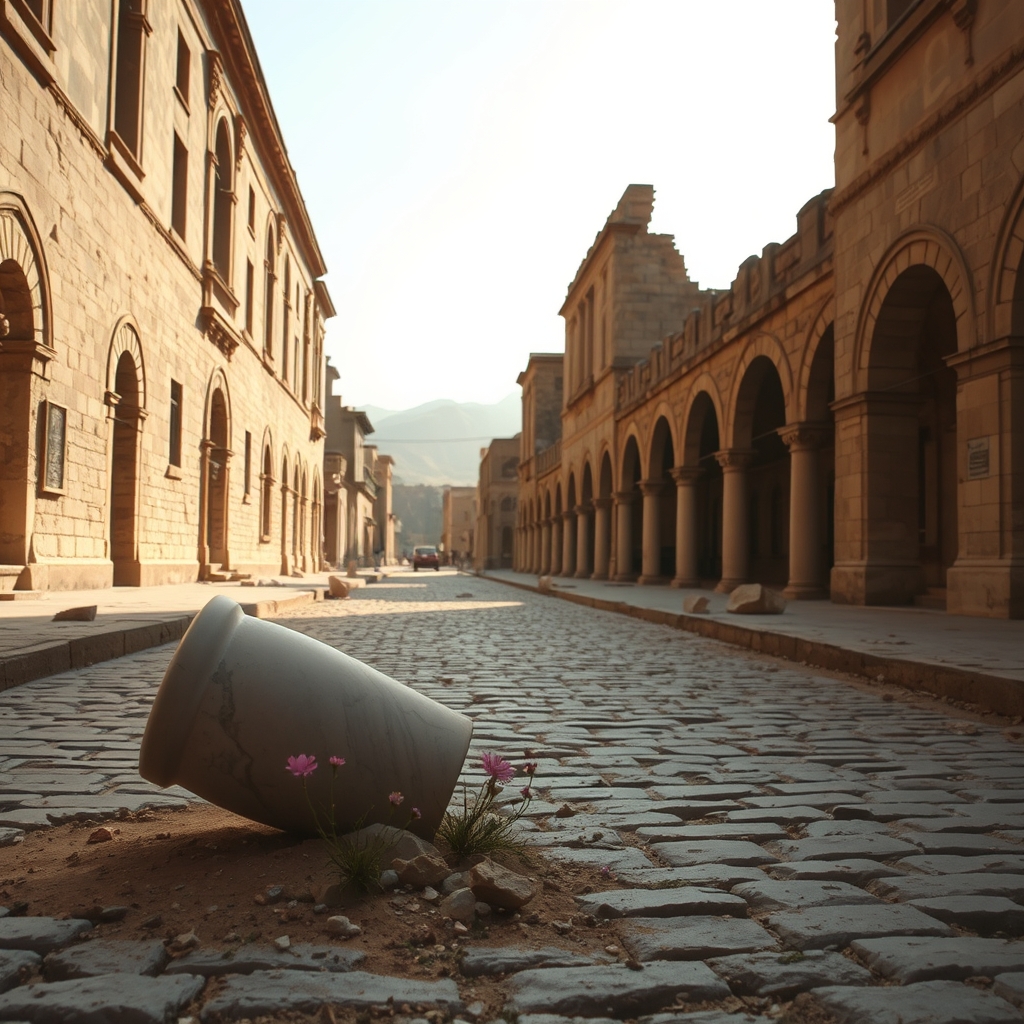
As I walk through the ancient streets of Pompeii, I am met with an eerie silence. The city, frozen in time by the devastating volcanic eruption of Mount Vesuvius in 79 AD, is a treasure trove of secrets and stories waiting to be unraveled. The ruins of Pompeii are a window into the past, offering a glimpse into the daily lives of the people who once called this city home. From the impressive architecture to the intricate mosaics, every aspect of Pompeii is a testament to the ingenuity and craftsmanship of the ancient Romans.
The excavation of Pompeii has been an ongoing process, with archaeologists painstakingly uncovering the remnants of a city that was once thriving. The site is a massive jigsaw puzzle, with each new discovery helping to piece together the history of the city. As we delve deeper into the ruins, we begin to understand the complexities of life in ancient Pompeii. We see the grandeur of the public buildings, the simplicity of the private homes, and the vibrancy of the marketplaces. Every discovery is a thread in the intricate tapestry of Pompeii's history, and as we pull on these threads, the mystique of the city begins to unravel.
Uncovering the Daily Life of Pompeii's Inhabitants
One of the most fascinating aspects of Pompeii is the insight it provides into the daily lives of its inhabitants. The city was a bustling metropolis, with a population of over 20,000 people. As we explore the ruins, we see the remnants of bakeries, taverns, and shops, giving us a glimpse into the commercial and social activities of the city. We also see the private homes, ranging from simple dwellings to grand villas, which provide a unique perspective on the lives of the people who lived in Pompeii. The frescoes that adorn the walls of these homes are a testament to the artistic talents of the ancient Romans, and the mosaics that cover the floors are a marvel of craftsmanship.
The people of Pompeii were a diverse bunch, with a mix of cultures and backgrounds. We see evidence of this diversity in the art and architecture of the city, with influences from Greece, Egypt, and other parts of the Roman Empire. The city was also a major center of trade, with merchants coming from all over the Mediterranean to buy and sell goods. As we explore the ruins, we begin to understand the complexities of life in ancient Pompeii, and the ways in which the city was connected to the wider world.
The Eruption of Mount Vesuvius: A Disaster Frozen in Time
The eruption of Mount Vesuvius in 79 AD was a disaster of epic proportions, catching the inhabitants of Pompeii off guard and burying the city under a thick layer of ash and pumice. The eruption was a catastrophic event that froze the city in time, preserving many of the buildings, artifacts, and even the bodies of the people who lived there. As we explore the ruins, we see the devastating impact of the eruption, with buildings collapsed and streets filled with debris. We also see the poignant reminders of the people who lived in Pompeii, with plaster casts of the victims providing a haunting glimpse into the tragedy that unfolded.
The eruption of Mount Vesuvius is a reminder of the power of nature and the fragility of human life. It is a testament to the enduring legacy of Pompeii, a city that was frozen in time by a disaster that was both sudden and devastating. As we reflect on the history of Pompeii, we are reminded of the importance of preserving our cultural heritage, and the need to learn from the past in order to build a better future.
Pompeii's Enduring Legacy: A City Reborn
Today, Pompeii is a city reborn, with millions of visitors flocking to the site every year to catch a glimpse of life in ancient Rome. The ruins of Pompeii are a testament to the enduring legacy of the city, and the ways in which it continues to captivate and inspire us. As we explore the site, we are reminded of the power of history to shape our understanding of the world, and the importance of preserving our cultural heritage for future generations. Pompeii is a city that was frozen in time, but its legacy lives on, a reminder of the ingenuity, craftsmanship, and creativity of the ancient Romans.
I explored a related angle in Uncovering the Secrets of Samurai Honor if you want to keep pulling this thread.
As I leave the ruins of Pompeii, I am struck by the sense of wonder and awe that this city inspires. Pompeii is a city that is both familiar and foreign, a place that is deeply rooted in the past but also strangely relevant to the present. It is a reminder that history is not just a series of dry facts and dates, but a living, breathing entity that continues to shape our understanding of the world. As we continue to unravel the mystique of Pompeii, we are reminded of the importance of preserving our cultural heritage, and the need to learn from the past in order to build a better future.