Unmasking the Samurai Code
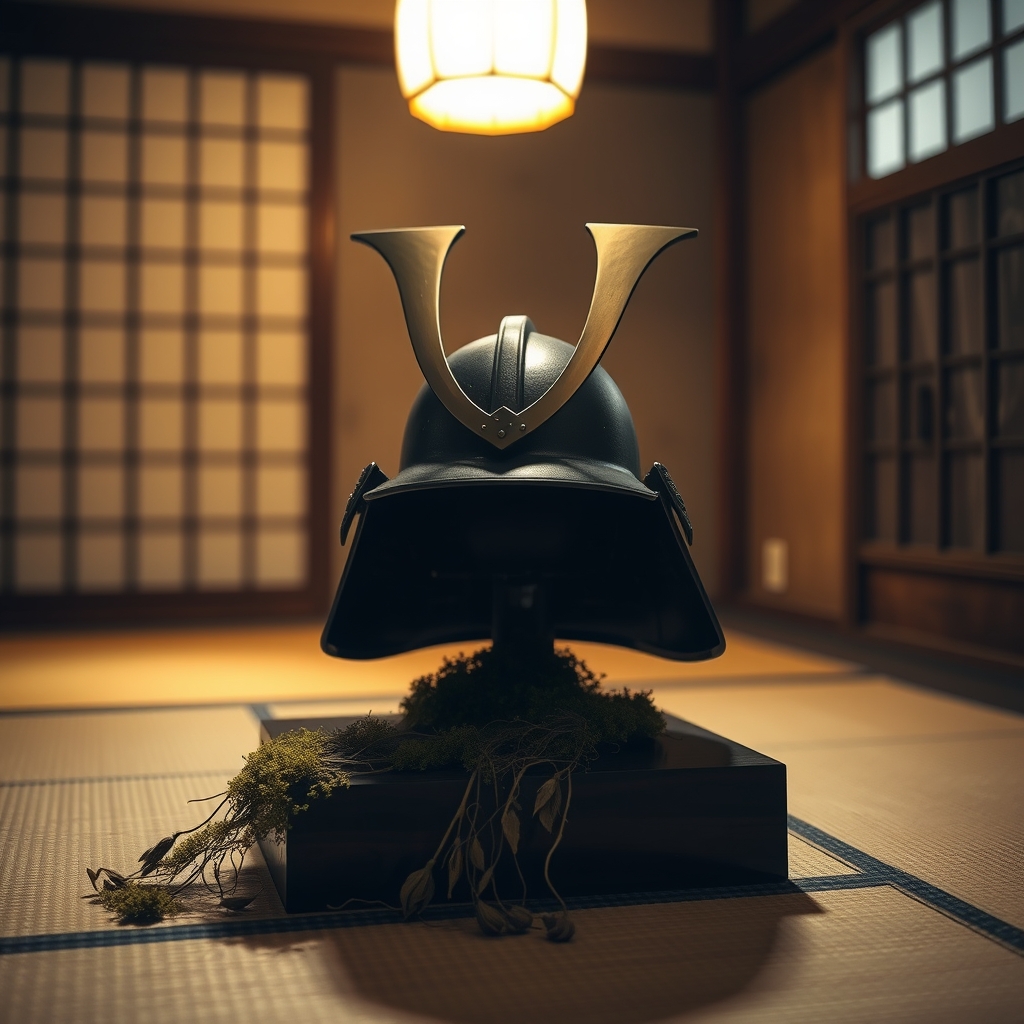
I've always been fascinated by the samurai, Japan's noble warriors who lived by a strict code of conduct known as Bushido. For centuries, the samurai were the epitome of Japanese culture, revered for their bravery, loyalty, and discipline. But what exactly was the Samurai Code, and how did it shape the lives of these legendary warriors? In this post, I'll delve into the history and principles of Bushido, and explore its enduring impact on Japanese society.
The Samurai Code, or Bushido, was a set of principles that governed the behavior of samurai from the 12th to the 19th centuries. The word "Bushido" literally means "way of the warrior," and it was a code that emphasized courage, loyalty, veracity, and self-discipline. Bushido was influenced by Zen Buddhism, Shintoism, and Confucianism, and it was designed to promote a sense of honor, duty, and morality among the samurai class. At its core, Bushido was a philosophy that encouraged samurai to cultivate a strong sense of self-awareness, self-control, and compassion.
The Seven Virtues of Bushido
The Samurai Code was based on seven key virtues: rectitude, courage, benevolence, respect, honesty, loyalty, and self-discipline. These virtues were considered essential for a samurai to live a noble and honorable life. Rectitude, for example, referred to the importance of adhering to a strong moral code, while courage was about facing danger with confidence and determination. Benevolence was about showing compassion and kindness to others, while respect was about treating others with dignity and courtesy. Honesty, loyalty, and self-discipline were also essential virtues that samurai were expected to embody.
These virtues were not just abstract principles, but were meant to be applied in everyday life. Samurai were expected to be honest and transparent in their dealings, to be loyal to their lords and their fellow warriors, and to cultivate self-discipline through rigorous training and self-reflection. By living according to these virtues, samurai aimed to achieve a state of spiritual and moral purity, which was seen as essential for their personal and professional development.
The Impact of Bushido on Japanese Society
The Samurai Code had a profound impact on Japanese society, shaping not only the lives of samurai but also the broader culture and values of the country. Bushido influenced the way people thought about honor, duty, and morality, and it helped to create a sense of national identity and purpose. The code also played a significant role in shaping Japan's social hierarchy, with samurai at the top of the social ladder and merchants and farmers below them. Despite its limitations and flaws, Bushido remains an important part of Japanese heritage, and its principles continue to inspire and influence people around the world.
Today, the legacy of Bushido can be seen in many aspects of Japanese culture, from the emphasis on hard work and self-discipline to the importance of respect and courtesy in social interactions. The code's influence can also be seen in the many martial arts that originated in Japan, such as karate and judo, which emphasize the development of physical and mental discipline. While the samurai class is no longer dominant in Japanese society, the values and principles of Bushido continue to shape the country's culture and identity.
Unmasking the Myth of the Samurai
Despite the romanticized image of the samurai as noble and invincible warriors, the reality of their lives was often much more complex and nuanced. Many samurai were not just warriors, but also administrators, diplomats, and artists, who played important roles in shaping Japanese society and culture. The Samurai Code was not just a set of abstract principles, but a living, breathing philosophy that guided the daily lives of samurai and influenced their relationships with others. By unmasking the myth of the samurai and exploring the realities of their lives, we can gain a deeper understanding of the history and culture of Japan, and appreciate the enduring legacy of the Samurai Code.
I explored a related angle in The Lost City of Petra: Unveiling Ancient Secrets if you want to keep pulling this thread.
In conclusion, the Samurai Code, or Bushido, was a complex and multifaceted philosophy that shaped the lives of Japan's noble warriors and influenced the broader culture and values of the country. By exploring the history and principles of Bushido, we can gain a deeper understanding of the samurai and their role in Japanese society, and appreciate the enduring impact of the code on Japanese culture and identity. Whether you're a historian, a martial artist, or simply someone interested in Japanese culture, the Samurai Code remains a fascinating and inspiring topic that continues to captivate and inspire people around the world.