The Lost City of Petra: Unveiling Ancient Secrets
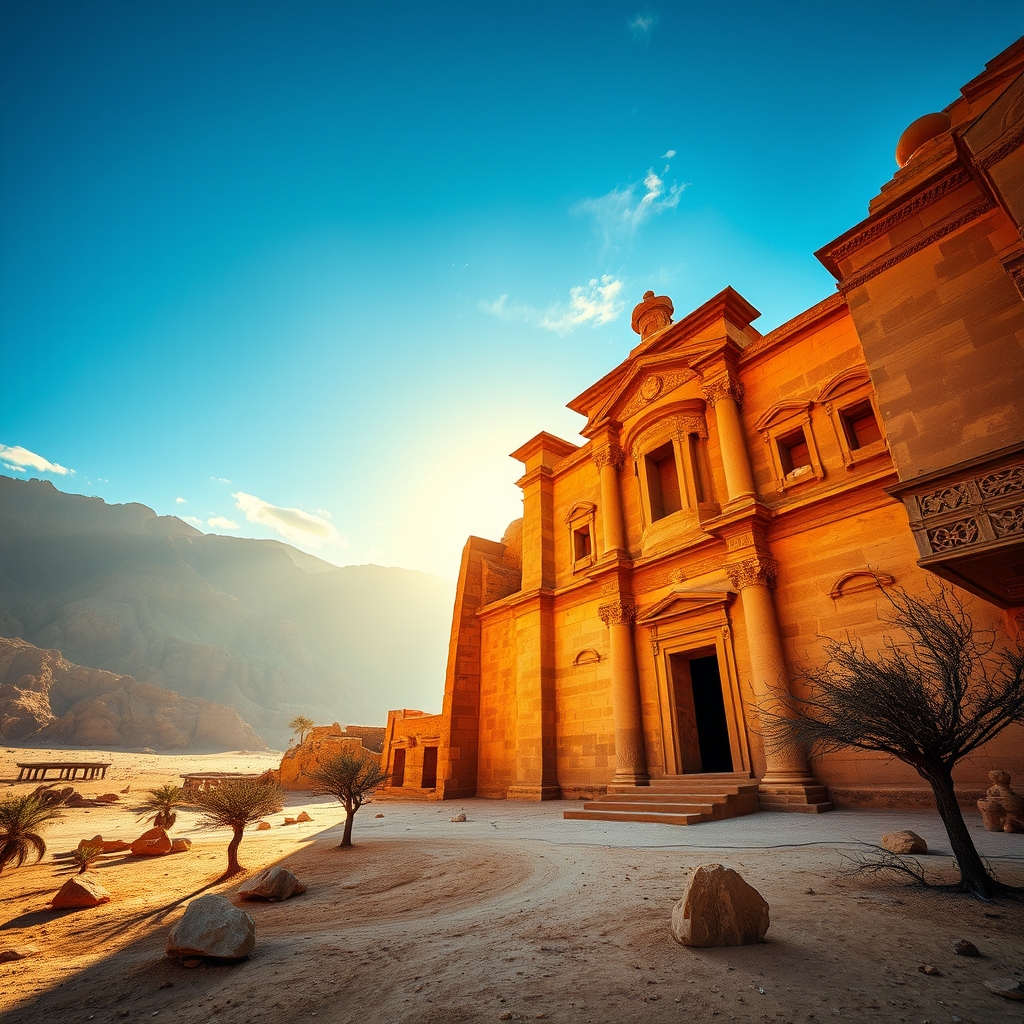
I still remember the first time I laid eyes on the Lost City of Petra - the intricate carvings, the majestic architecture, and the sheer scale of the ancient metropolis left me breathless. As I delved deeper into the history of this mystical place, I realized that there was more to Petra than met the eye. The city, hidden away in the Jordanian desert, is a treasure trove of secrets and stories waiting to be uncovered. In this blog post, I will take you on a journey through the ancient streets of Petra, unveiling its secrets and exploring the mysteries that have captivated historians and travelers for centuries.
A Brief History of Petra
Petra was once the capital of the Nabataean Kingdom, a powerful and prosperous empire that controlled the trade routes between Arabia, Egypt, and Syria. The city was founded in the 6th century BC, and its strategic location allowed it to flourish as a center of commerce and culture. The Nabataeans were skilled architects and engineers, and they built Petra into a magnificent city, with elaborate temples, theaters, and monuments carved directly into the sandstone cliffs. At its peak, Petra was home to over 20,000 people, and its wealth and influence rivaled that of other major cities in the ancient world.
But Petra's success was not without its challenges. The city was constantly threatened by neighboring kingdoms and empires, and it was eventually absorbed into the Roman Empire in 106 AD. Despite this, Petra continued to thrive, and it remained an important center of trade and culture until it was eventually abandoned in the 4th century AD. The city lay hidden for centuries, until its rediscovery in the 19th century, and today it is one of the most famous and iconic archaeological sites in the world.
Unveiling the Secrets of Petra
One of the most fascinating aspects of Petra is its architecture. The city is famous for its rock-cut structures, which were carved directly into the sandstone cliffs. The most iconic of these is Al-Khazneh, or the Treasury, a magnificent temple carved into the face of a mountain. But Petra is more than just a collection of impressive buildings - it is a city that is deeply connected to the natural world. The Nabataeans were skilled hydrologists, and they built a complex system of pipes and channels to bring water from nearby springs to the city. This allowed them to cultivate crops and support a large population, even in the midst of the desert.
As I explored the city, I was struck by the ingenuity and creativity of the Nabataeans. They were a people who were deeply connected to the land, and they built Petra in harmony with the natural world. The city is a testament to their skill and craftsmanship, and it continues to inspire wonder and awe in all who visit. From the intricate mosaics that adorn the floors of the temples, to the elaborate facades that line the streets, every aspect of Petra is a reflection of the Nabataeans' deep understanding of the world around them.
Preserving the Legacy of Petra
Today, Petra is a UNESCO World Heritage Site, and it is considered one of the most important cultural and historical sites in the world. The Jordanian government has taken steps to preserve the city and protect it from the effects of tourism and erosion. Visitors can explore the city on foot, or take a guided tour to learn more about its history and significance. As I walked through the ancient streets of Petra, I was struck by the sense of history and culture that permeates every aspect of the city. It is a truly unique and unforgettable place, and one that I highly recommend to anyone interested in history, culture, or simply exploring the wonders of the ancient world.
I explored a related angle in The Forgotten Library of Ashurbanipal if you want to keep pulling this thread.
In conclusion, the Lost City of Petra is a place of wonder and awe, a city that is steeped in history and culture. From its intricate architecture to its complex system of water management, every aspect of Petra is a testament to the ingenuity and creativity of the Nabataeans. As we continue to learn more about this ancient city, we are reminded of the importance of preserving our cultural heritage, and protecting the natural world for future generations. Whether you are a historian, an archaeologist, or simply a curious traveler, Petra is a destination that is sure to captivate and inspire, and one that I will always treasure as a truly unforgettable experience.