The Spice Blend That Conquered Kitchens
This post contains affiliate links. If you purchase through them, I may earn a small commission at no extra cost to you.
Walk into any grocery store and you'll find a yellow tin labeled "curry powder." Open it, and you'll find a blend that doesn't exist in India.
Curry powder is a British invention — a simplified, shelf-stable approximation of the complex spice blends used across South Asia. It was created for convenience, packaged for export, and became so ubiquitous that many people outside India believe "curry" is a single spice. It isn't. It never was.
The story of curry powder is the story of how culinary traditions get flattened, commodified, and reimagined through global trade. And it starts with the spice routes that connected continents.
What "Curry" Actually Means
The word "curry" likely derives from the Tamil word kari, meaning sauce or gravy. In Indian cuisine, there's no single dish called curry — there are thousands of regional preparations, each with its own spice blend, technique, and flavor profile.
A garam masala from North India might include cinnamon, cardamom, cloves, cumin, and black pepper — warm spices meant to be added toward the end of cooking. A sambar podi from South India uses coriander, fenugreek, dried chilies, and black pepper — designed for lentil-based stews. A Bengali panch phoron combines five whole spices: cumin, fennel, fenugreek, nigella, and mustard seeds.
Each blend is specific to a dish, a region, a season, a family recipe. The idea that you could reduce this complexity to a single powder is absurd — unless your goal is efficiency over authenticity.
The British East India Company Standardizes Flavor
When British colonial officers returned from India in the 18th and 19th centuries, they wanted to recreate the flavors they'd experienced abroad. But they didn't have access to fresh spices, regional knowledge, or the time to grind blends from scratch.
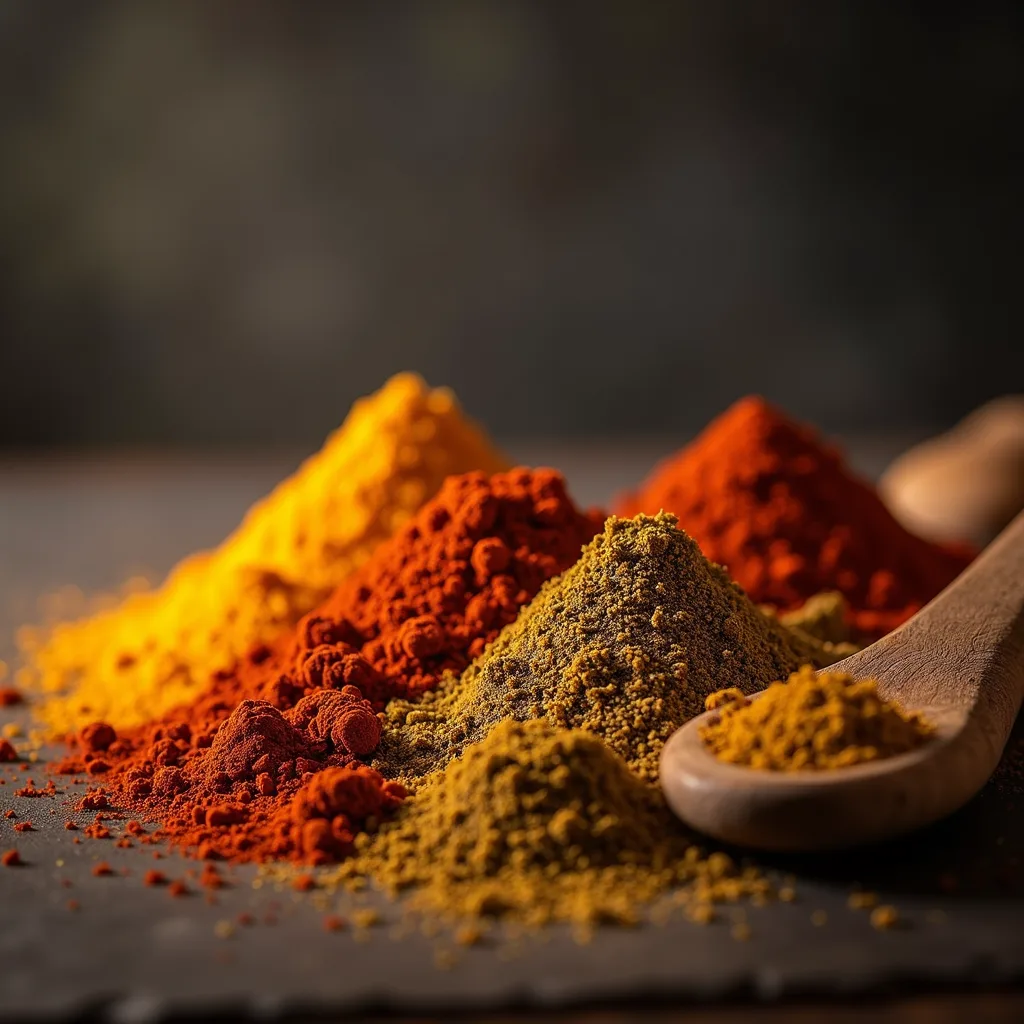
British merchants saw an opportunity. They created pre-mixed spice blends that could be packaged, labeled, and sold as "curry powder" — a one-size-fits-all solution to Indian cooking. The formula typically included turmeric (for color), coriander, cumin, fenugreek, and chili powder. Some versions added ginger, black pepper, or mustard seeds.
It wasn't authentic. But it was consistent. And consistency is what enables mass production and industrial food systems.
How Standardization Changes Cuisine
Once curry powder became a commodity, it started shaping how people outside South Asia understood Indian food. Recipes in British and American cookbooks called for "1 tablespoon curry powder" as if it were interchangeable across dishes. Restaurants used it as a shortcut. Home cooks learned to associate "curry" with a specific yellow color and mild, sweet flavor.
This is how culinary traditions get simplified through globalization: diversity collapses into a single product, and the product becomes the reference point for an entire cuisine. The same pattern shows up with "taco seasoning," "Italian seasoning," and "Chinese five-spice" — each a commercial approximation of something far more nuanced.
The economics are straightforward. Pre-mixed spice blends are easier to stock, easier to sell, and easier to use. They lower the barrier to entry for unfamiliar cuisines. But they also flatten the learning curve — you never discover that there are dozens of ways to build a masala, because the package tells you there's only one.
The Revival of Spice Blending
In recent decades, there's been a resurgence of interest in authentic spice blends. Specialty brands like Diaspora Co., Burlap & Barrel, and regional importers source single-origin spices and offer blends tied to specific dishes and regions. Cookbooks by authors like Madhur Jaffrey, Meera Sodha, and Yotam Ottolenghi teach readers how to toast and grind their own spices.
This shift mirrors broader trends in food culture: the move from industrial convenience toward transparency, provenance, and craft. People want to know where their ingredients come from, who grew them, and how they're traditionally used.
But curry powder persists. It's still sold in every supermarket. It's still called for in recipes. And for many home cooks, it's still the gateway to experimenting with Indian flavors — even if it's a shortcut.
The Lesson in the Blend
Curry powder is neither villain nor hero. It's a tool — a compromise between authenticity and accessibility. Understanding its history doesn't mean rejecting it. It means recognizing what's lost and what's gained when culinary traditions cross borders and enter global markets.
The real insight is this: every cuisine is shaped by the economics of its distribution. Spice blends, like all packaged foods, are artifacts of trade routes, colonial history, and industrial food systems. They tell you as much about commerce as they do about cooking.
If you want to understand what you're eating, start with the story of how it got to your kitchen. The spices will taste different once you know where they came from.