The Secret Archives of Timbuktu
I've always been fascinated by the ancient city of Timbuktu, a place where the Sahara Desert meets the Niger River. For centuries, Timbuktu was a major hub of trade, commerce, and intellectual pursuits, attracting scholars and merchants from all over the world. But what really draws me to this city is its incredible collection of ancient manuscripts, hidden away in secret archives for centuries. These manuscripts are more than just relics of the past - they hold the key to understanding the history and culture of West Africa, and their significance cannot be overstated.
Uncovering the Past
My journey to uncover the secret archives of Timbuktu began several years ago, when I stumbled upon an article about the city's famous manuscript libraries. I was amazed to learn that these libraries contained thousands of ancient texts, written in languages such as Arabic, Hebrew, and local African dialects. The manuscripts covered a wide range of subjects, from astronomy and mathematics to medicine and literature. But what really caught my attention was the fact that many of these manuscripts were still unknown to the Western world, hidden away in private collections and secret archives. I knew that I had to see these manuscripts for myself, to learn more about the people who wrote them and the world they lived in.
After months of planning and preparation, I finally arrived in Timbuktu, eager to start my search for the secret archives. I spent hours wandering through the city's narrow streets, talking to local scholars and manuscript collectors, and searching for any clues that might lead me to the archives. It wasn't easy - many of the manuscripts were hidden away in private homes, and the owners were often reluctant to share them with outsiders. But I was determined to uncover the secrets of Timbuktu's manuscript libraries, and I was willing to do whatever it took to get there.
The Manuscripts of Timbuktu
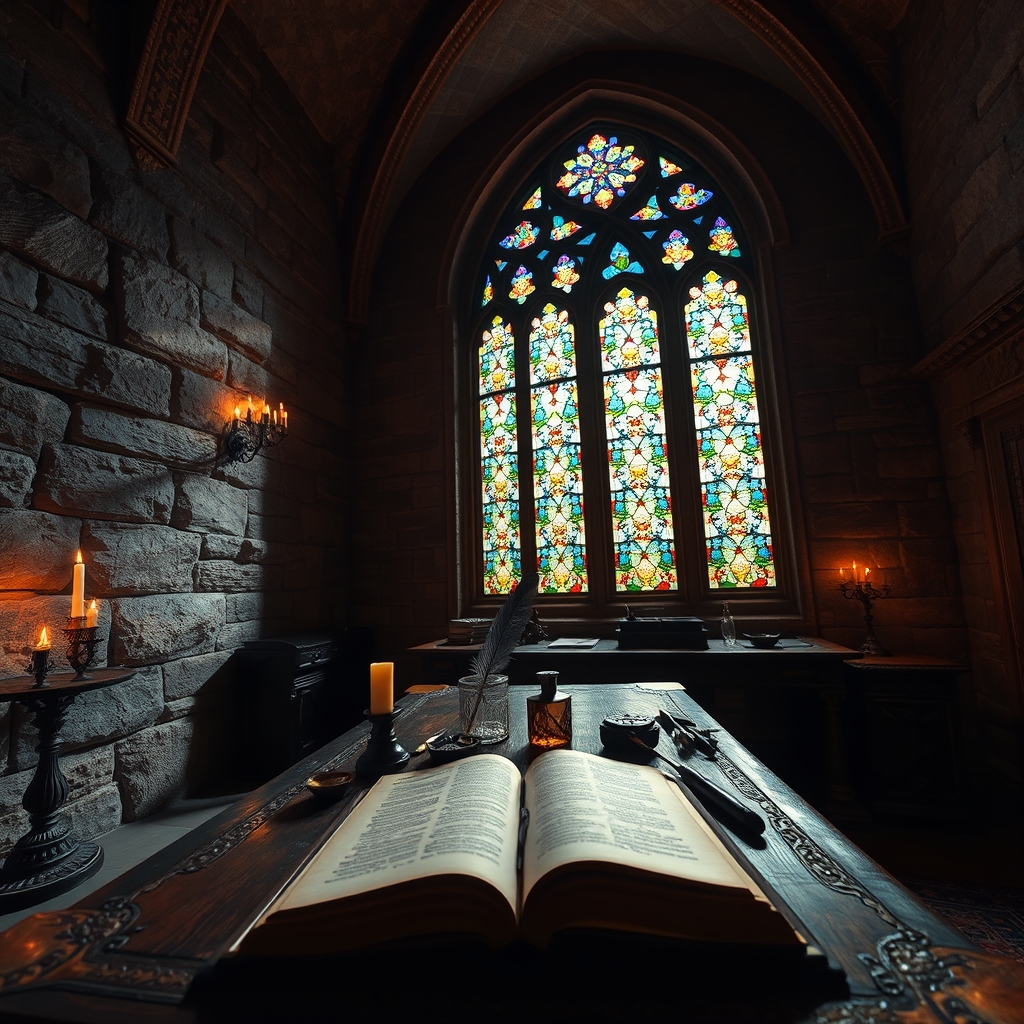
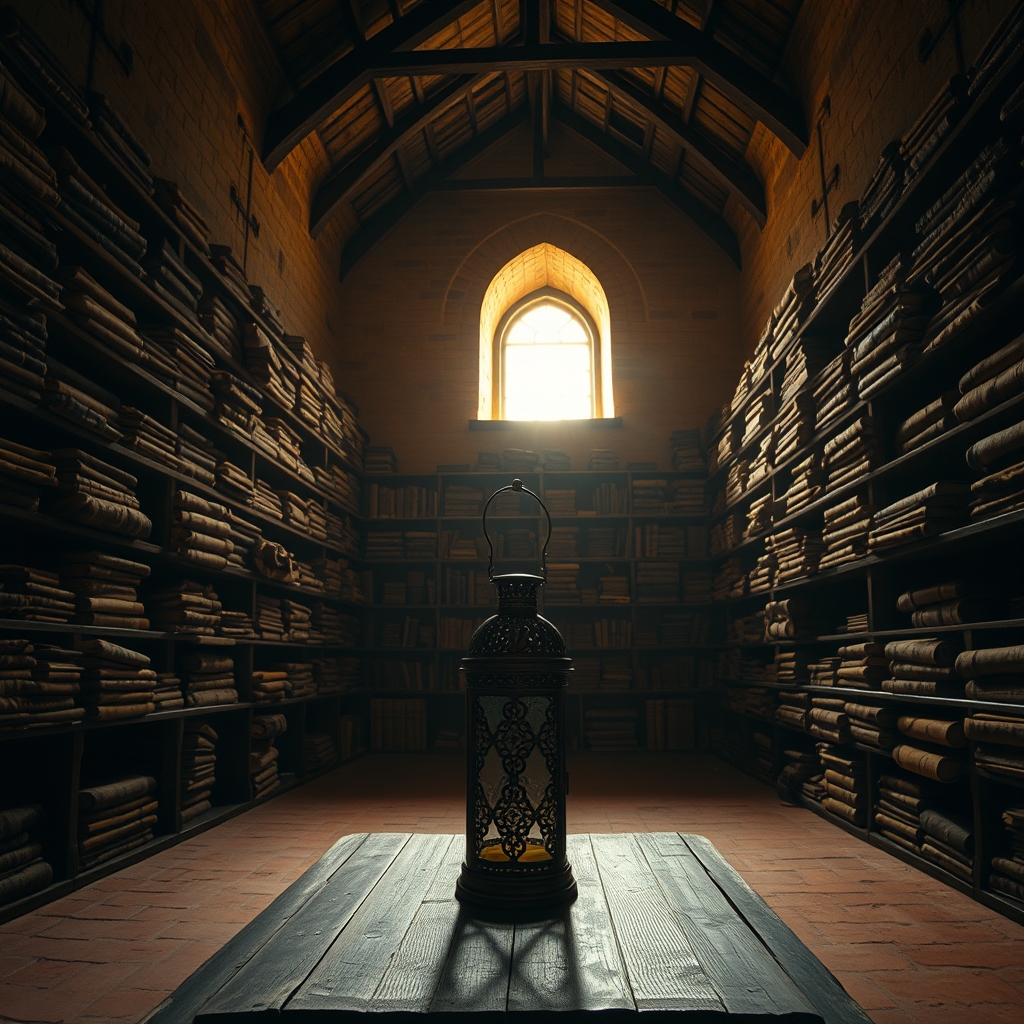
Eventually, after weeks of searching, I was able to gain access to some of the secret archives of Timbuktu. What I found was truly astonishing - thousands of manuscripts, written on parchment, paper, and even cloth. The manuscripts were incredibly well-preserved, considering their age, and they provided a unique window into the history and culture of West Africa. I spent hours poring over the manuscripts, marveling at the intricate calligraphy and beautiful illustrations. I saw texts on astronomy, with intricate diagrams of the stars and planets. I saw medical texts, with descriptions of diseases and treatments that were far ahead of their time. And I saw literary texts, with stories and poems that were both beautiful and profound.
But the manuscripts of Timbuktu are more than just a collection of old texts - they are a testament to the rich cultural heritage of West Africa. They show that the region was once a major center of learning and intellectual pursuits, attracting scholars and thinkers from all over the world. They provide a unique perspective on the history of the region, and they challenge many of the assumptions that we have about African culture and society. And they are a reminder that the past is always present, shaping our understanding of the world and our place in it.
Preserving the Archives
As I delved deeper into the secret archives of Timbuktu, I realized that preserving these manuscripts is a matter of utmost importance. Many of the manuscripts are fragile and prone to deterioration, and they require specialized care and handling to ensure their survival. I saw firsthand the damage that can be done by neglect and lack of care - manuscripts that were once beautiful and intact, now torn and faded. But I also saw the efforts of local scholars and conservationists, who are working tirelessly to preserve the manuscripts and make them available to the world. They are using advanced techniques such as digitization and conservation to protect the manuscripts, and they are creating new libraries and archives to house them.
As I left Timbuktu and returned to my own world, I couldn't help but feel a sense of awe and wonder at the secret archives of the city. The manuscripts of Timbuktu are a treasure trove of knowledge and wisdom, a window into a world that is both familiar and unknown. They are a reminder of the rich cultural heritage of West Africa, and they provide a unique perspective on the history and culture of the region. And they are a testament to the power of human ingenuity and creativity, a reminder that even in the most unlikely of places, there is always the potential for discovery and exploration.
I explored a related angle in The Lost City of Zenj if you want to keep pulling this thread.
In the end, my journey to uncover the secret archives of Timbuktu was a journey of discovery, not just about the manuscripts themselves, but about the people and the culture that created them. It was a reminder that the past is always present, shaping our understanding of the world and our place in it. And it was a testament to the enduring power of human knowledge and creativity, a power that can transcend time and space, and speak to us across the centuries.