The Lost City of Zenj
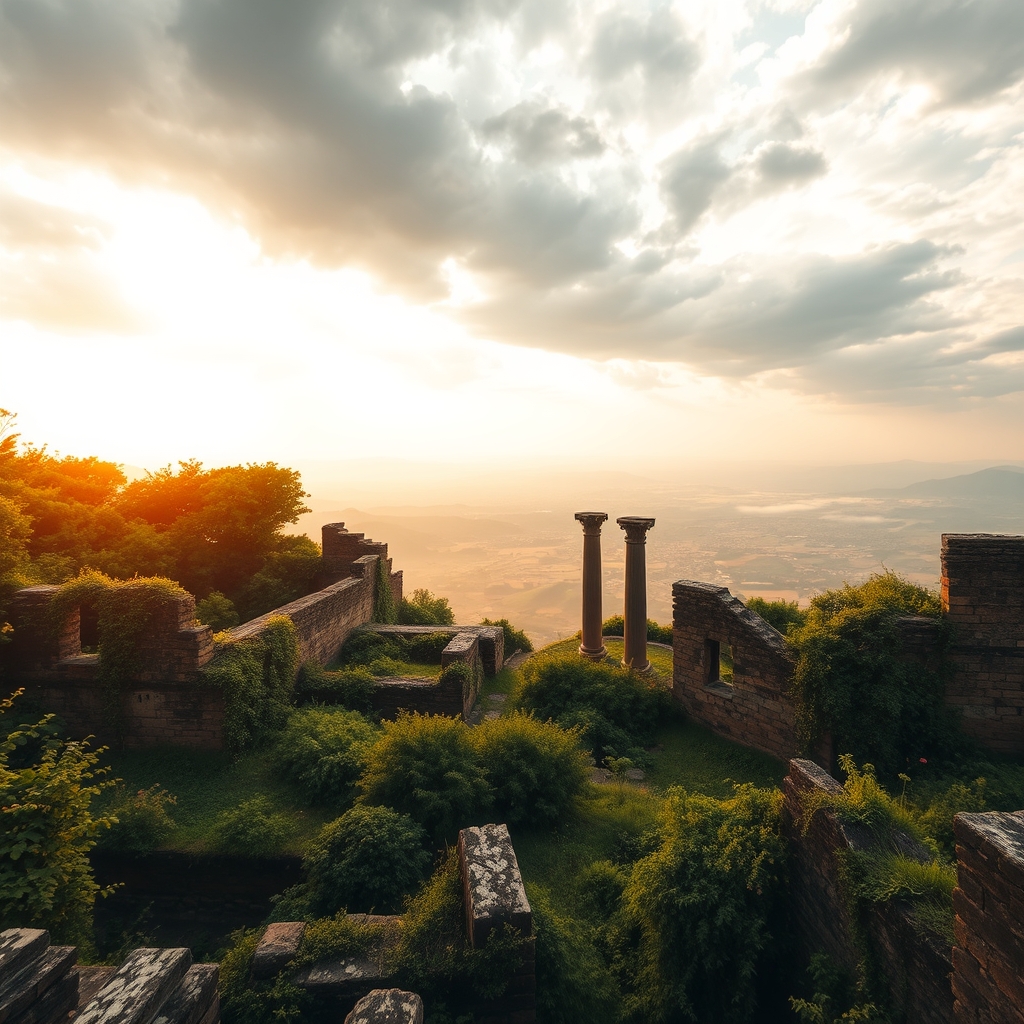
I've always been fascinated by the stories of lost cities, hidden deep within the jungles or deserts, waiting to be uncovered. One such city that has captured my imagination is the Lost City of Zenj, a fabled metropolis that was said to be the capital of the medieval Kingdom of Zenj. Located on the coast of East Africa, Zenj was a powerful and prosperous kingdom that played a significant role in the regional trade and cultural exchange. Despite its importance, the city of Zenj was lost to the sands of time, and its exact location remains a mystery to this day.
Historical Accounts
Historical accounts of the Kingdom of Zenj can be found in the writings of Arab traders and travelers who visited the region during the medieval period. According to these accounts, Zenj was a thriving city, known for its beautiful architecture, vibrant markets, and rich cultural heritage. The city was said to be the center of a powerful kingdom that controlled a significant portion of the regional trade, including the lucrative gold and ivory trade. The kingdom was also known for its sophisticated system of government, which was based on a complex network of alliances and tributary relationships with neighboring kingdoms.
One of the most famous accounts of the Kingdom of Zenj can be found in the writings of the 13th-century Arab traveler, Ibn Battuta. According to Ibn Battuta, Zenj was a city of great beauty, with impressive buildings, wide streets, and a vibrant marketplace. He also noted that the city was home to a diverse population, including Africans, Arabs, and Indians, who lived together in a spirit of tolerance and cooperation. Despite the many wonders of the city, Ibn Battuta also noted that Zenj was a city of great wealth and corruption, where the ruling elite lived in luxury and the poor struggled to survive.
Archaeological Search
Despite the many historical accounts of the Kingdom of Zenj, the exact location of the city remains a mystery. Over the years, many archaeologists and historians have attempted to find the lost city, but so far, none have been successful. The search for Zenj has been hindered by the lack of concrete evidence, as well as the challenging terrain and climate of the region. Many believe that the city was located on the coast of present-day Tanzania or Kenya, but others argue that it may have been located further inland, in the mountains or valleys of the region.
Recent archaeological discoveries have shed new light on the search for Zenj. In 2019, a team of archaeologists announced the discovery of a medieval trading port on the coast of Tanzania, which they believed may have been connected to the Kingdom of Zenj. The discovery included a number of artifacts, including coins, pottery, and other trade goods, which dated back to the medieval period. While the discovery was exciting, it was not conclusive, and the search for the lost city of Zenj continues to this day.
Legacy of Zenj
Regardless of whether the lost city of Zenj is ever found, its legacy continues to captivate and inspire people around the world. The story of Zenj is a reminder of the rich cultural heritage of Africa, and the important role that the continent played in the development of global trade and civilization. It is also a testament to the power of human imagination and ingenuity, as people have been inspired to explore, discover, and create for centuries. As we continue to search for the lost city of Zenj, we are reminded of the importance of preserving our cultural heritage, and the need to protect and promote the historical and cultural treasures of our world.
I explored a related angle in Unseen Heroes of the Renaissance if you want to keep pulling this thread.
In conclusion, the lost city of Zenj is a fascinating and captivating topic that continues to inspire and intrigue people around the world. Through historical accounts and archaeological discoveries, we have been able to glimpse the beauty and grandeur of this medieval kingdom, and to appreciate its importance in the development of regional trade and cultural exchange. As we continue to search for the lost city, we are reminded of the power of human imagination and ingenuity, and the importance of preserving our cultural heritage for future generations.