The Salt That Built Civilizations
This post contains affiliate links. If you purchase through them, I may earn a small commission at no extra cost to you.
The word "salary" comes from the Latin salarium — the payment given to Roman soldiers to buy salt. When we say someone is "worth their salt," we're reaching back two thousand years to a time when salt wasn't a seasoning. It was currency.
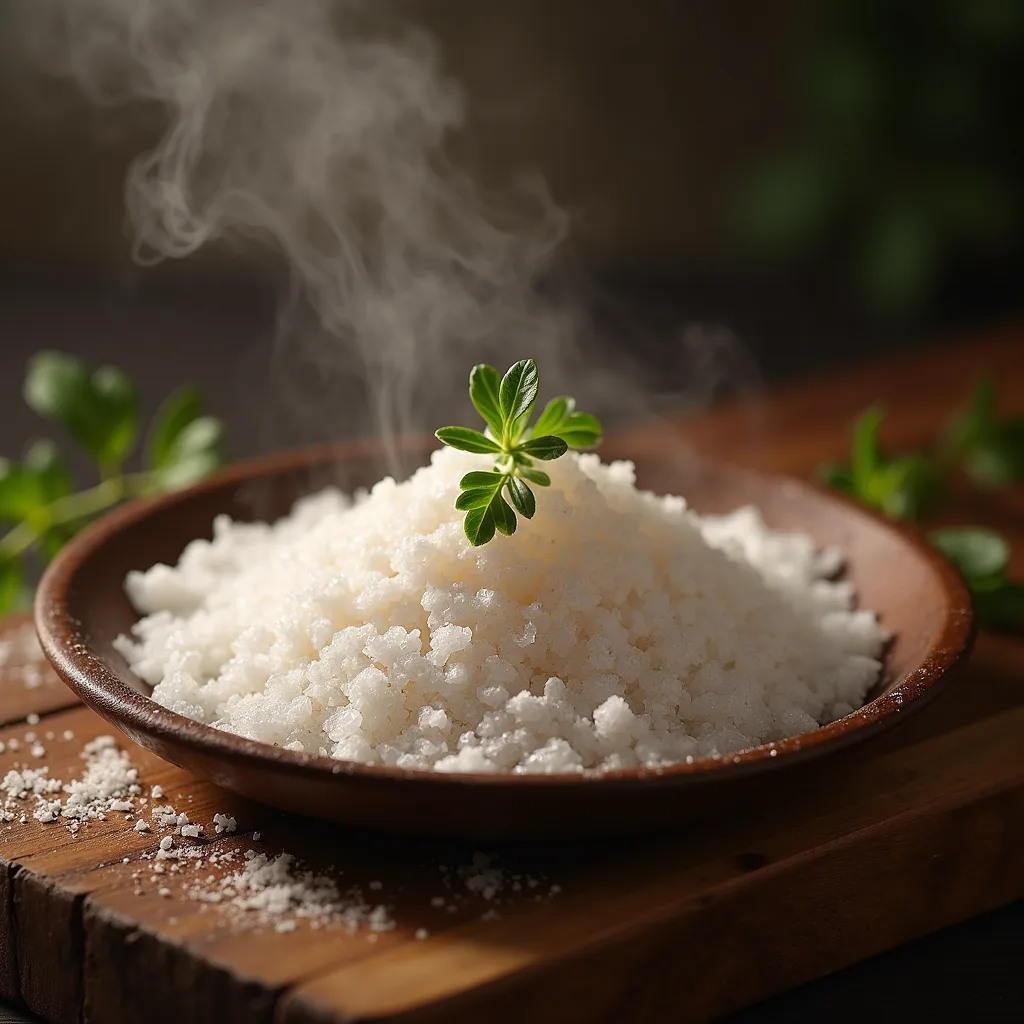
Salt is the oldest food preservative in human history. Before refrigeration, before canning, before vacuum sealing, salt was the only reliable technology for making food last through winter, through drought, through the months between harvests. The civilization that controlled salt controlled survival itself.
Why Salt Is Biology Before It's Cooking
Salt preserves food by creating an environment hostile to bacteria. Sodium chloride draws water out of microbial cells through osmosis, preventing their reproduction. A fish preserved in salt can last months without spoiling. The same fish, without salt, begins to decay within days.
This chemistry was understood — imprecisely, but functionally — by every food-producing culture that survived its first winter. The Egyptians used salt to preserve the fish of the Nile Delta. The Chinese developed salt fish along the Yellow River. The Norse preserved cod in salt and became the dominant suppliers of protein to medieval Europe. The Caribbean became economically important partly because its salt pans could supply the cod fisheries of New England.
Every cuisine that evolved in a pre-refrigeration world has salt preservation embedded in its foundations. Fermented foods — miso, sauerkraut, kimchi, anchovies, preserved lemons — are all children of salt. The preservation method shaped the flavor, and the flavor became the tradition.
Salt Routes and Salt Wars
Salt was heavy, necessary, and geographically unevenly distributed. Coastlines and salt deposits became strategic assets. The routes used to transport salt became the first major trade corridors in many regions — the Via Salaria in Italy, the Old Salt Route in Germany, the salt roads of West Africa.
Control of salt routes meant control of regional economies. The Venetians built their early wealth partly by monopolizing salt production in the Adriatic. The British taxed salt throughout their empire and provoked resistance — most famously, Mahatma Gandhi's 1930 Salt March, in which 240 miles of walking broke the British monopoly and catalyzed Indian independence.
The history of salt taxation tracks perfectly with the history of political unrest. France's gabelle — a deeply unpopular salt tax — was a contributing grievance to the French Revolution. In China, illegal salt trade financed multiple dynastic rebellions. The pattern is consistent: when you tax survival, you create revolutionary conditions.
How Salt Shaped Regional Cuisines
Every cooking tradition reflects the preservation methods available to it — and salt was chief among them. The salting, drying, and curing techniques developed in each region became the flavor foundations of those cuisines.
Italian cuisine depends on cured meats — prosciutto, salami, pancetta — that are techniques of salt preservation. The intense umami of anchovies and bottarga are salt-preserved fish. Even parmesan cheese is, at its core, a salt-preservation technique: the salt forms a rind, keeps mold at bay, and allows long aging.
West African cooking — the foundation of much of what became American Southern food via the slave trade — was deeply shaped by salt fish. Salt cod arrived via Portuguese traders, became a dietary staple, and influenced cooking techniques and flavor profiles that are still with us. You can taste the salt trade in collard greens seasoned with fatback, in akara fritters adapted from black-eyed peas, in the entire flavor logic of soul food.
Japanese cuisine is built on salt-fermented products: soy sauce (a salt-fermented soybean liquid), miso (salt-fermented soybean paste), mirin, sake, and dozens of regional preserved vegetables. The umami that defines Japanese cooking is, biochemically, the product of enzymatic breakdown during salt fermentation. Take away salt preservation and Japanese cuisine doesn't exist.
The Invisible Seasoning
Professional chefs treat salt differently than home cooks. Not because they add more — though they often do — but because they add it in stages and at different points in cooking. Salt added early draws out moisture and concentrates flavor. Salt added mid-cook integrates. Salt added at the end lifts and brightens.
The technique of understanding salt's role in cooking is one of the most transformative things a home cook can learn. Properly salted pasta water — salty like the sea — seasons the pasta from within. A well-salted braise becomes deeply flavorful; an under-salted one tastes flat regardless of how long you cook it.
Salt doesn't just make food taste saltier. At sub-perceptible levels, it suppresses bitterness, enhances sweetness, and rounds harsh flavors. It's why a pinch of salt in chocolate chip cookies makes them taste more chocolate-y. It's why caramel with salt is more compelling than caramel without.
From Scarcity to Abundance
Today, salt is the cheapest item in any kitchen. A kilogram costs less than a cup of coffee. We take it so entirely for granted that its extraordinary history is almost invisible — buried in the etymology of "salary," in the routes of ancient roads, in the preserved foods we still eat today.
But every gram of salt in your kitchen carries that history. The techniques that developed to preserve food with it — curing, fermenting, brining, pickling — are the ancestors of the flavor traditions you've inherited. Understanding that history is part of understanding what you're eating.
The salt trade shaped the ancient world as surely as the spice trade did. It just didn't survive into the grocery store with its price tag intact.