The Fermentation Revolution in Your Kitchen
This post contains affiliate links. If you purchase through them, I may earn a small commission at no extra cost to you.
Before refrigeration, fermentation kept civilizations alive. The Koreans had kimchi. The Germans had sauerkraut. The Japanese had miso and soy sauce. The West Africans had fermented locust beans. Every culture, without exception, developed fermented foods — not as a culinary flourish but as a survival strategy.
Today, fermentation is having a renaissance — not because we need it to preserve food but because we've rediscovered what it does to flavor, nutrition, and the complexity of what we eat.
What Fermentation Actually Is
Fermentation is the transformation of food by microorganisms — bacteria, yeasts, and molds — that consume sugars and produce acids, alcohols, and gases as byproducts. These byproducts preserve the food (acids make the environment hostile to harmful bacteria), develop new flavors, and often increase nutritional bioavailability.
There are several types of fermentation that matter in the kitchen:
Lactic acid fermentation uses bacteria (primarily lactobacillus) to convert sugars to lactic acid. This is how kimchi, sauerkraut, yogurt, and sourdough bread work. No special equipment needed — just salt, vegetables, and time.
Alcoholic fermentation uses yeasts to convert sugars to alcohol and CO2. This is wine, beer, and naturally leavened bread. The alcohol can then be further fermented by bacteria into acetic acid — that's vinegar.
Mold-based fermentation uses specific mold cultures to break down proteins and starches. This is how miso, soy sauce, tempeh, and many cheeses are made. More complex to start, but produces some of the deepest, most complex flavors in culinary history.
The science of fermentation is ancient and also cutting-edge — modern food science continues to discover how diverse microbial communities shape flavor chemistry.
The Flavor Argument
Fermentation produces compounds that raw ingredients don't contain. Acids, esters, and aromatic molecules that register as brightness, depth, umami, complexity. This is why a spoonful of good miso transforms a dish that would otherwise taste flat. Why a fermented hot sauce has dimensions that a fresh one doesn't. Why slow-fermented sourdough bread tastes nothing like yeast bread made in two hours.
The Maillard reaction (browning through heat) and fermentation are the two greatest flavor-development tools available to any cook. Heat you can control in minutes. Fermentation works over days, weeks, or years — but what it produces is irreplaceable.
This is one reason traditional cuisines are worth studying carefully. The long-fermented preparations — doenjang (Korean soybean paste fermented for months), fish sauce (fermented for a year or more), aged miso — encode accumulated culinary wisdom that took generations to develop. As we explored in why we cook what we do, these traditions aren't arbitrary — they're the result of iterative optimization over centuries.
The Nutritional Dimension
Fermentation doesn't just preserve food and develop flavor — it changes nutritional profiles in meaningful ways.
Phytic acid in grains and legumes binds to minerals and reduces their absorption. Fermentation breaks down phytic acid, making the minerals in whole grains and beans significantly more bioavailable. This is why traditionally fermented bread (sourdough) digests differently than modern yeasted bread — the fermentation pre-processes the grain.
Fermented foods also introduce live cultures of beneficial bacteria into your diet. The research on the gut microbiome and its relationship to immune function, mood, inflammation, and metabolic health is ongoing, but the direction is consistent: diverse, healthy gut bacteria matter, and fermented foods introduce and support them.
A 2021 study in Cell found that a diet high in fermented foods increased microbiome diversity and reduced markers of inflammation — more effectively than a high-fiber diet alone. The intersection of fermentation and gut health is one of the more interesting areas of current nutrition research.
Starting in Your Kitchen
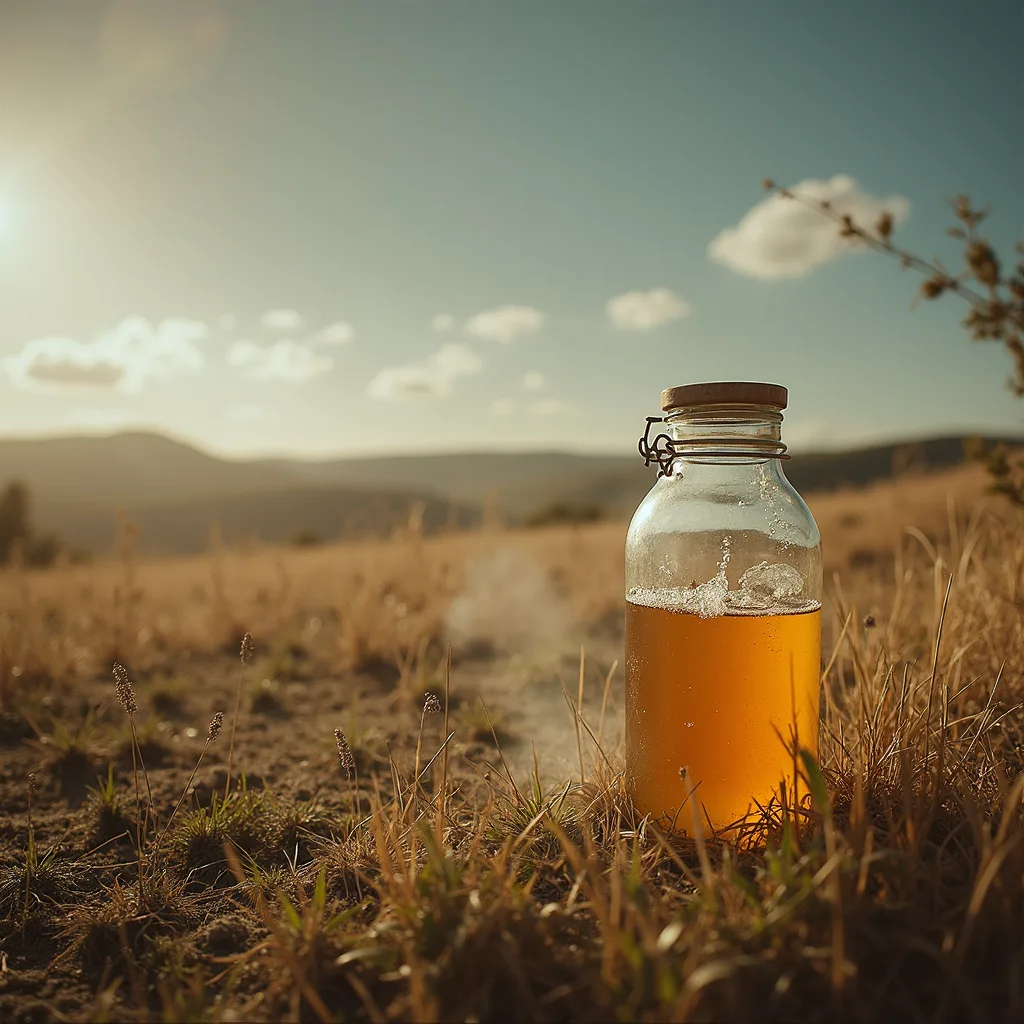
The easiest ferments require nothing more than vegetables, salt, water, and a jar.
Simple lacto-fermented vegetables: Shred cabbage (or slice any vegetable), toss with 2% salt by weight, pack tightly into a jar until the vegetables are submerged in their own brine. Cover loosely (gases need to escape). Leave at room temperature for 3–7 days. Taste daily. Done when it reaches your preferred sourness. Refrigerate to slow fermentation and hold the flavor.
Sourdough starter: Mix equal weights flour and water in a jar. Leave at room temperature. Feed daily by discarding half and adding fresh flour and water. Within 5–7 days, wild yeasts from your flour and environment will colonize the starter. You now have a leavening agent and pre-ferment that will make bread with far more depth than commercial yeast allows.
Yogurt: Heat milk to 180°F, cool to 110°F, stir in 2 tablespoons of live-culture yogurt, incubate at 110°F for 8 hours. Requires a thermometer and some warmth — an oven with just the light on works.
Each of these costs almost nothing. Each produces something better than the commercial equivalent. And each connects you to food traditions that predate modern food technology by thousands of years.
The Patience Dividend
What fermentation teaches is the same thing that slow cooking, aging, and curing teach: that time is an ingredient. Flavor doesn't only come from heat, technique, or costly ingredients. It comes from patience — from allowing biological processes to work at their own pace.
In a culture organized around speed and convenience, fermentation is a productive form of slowness. You do the work in minutes, then step back while time and microorganisms do the rest. The result, when you taste it, is worth the wait.
Start with a jar of cabbage and salt. See what a week produces. Then tell me fermentation isn't worth learning.