The Hidden History of Coffeehouses
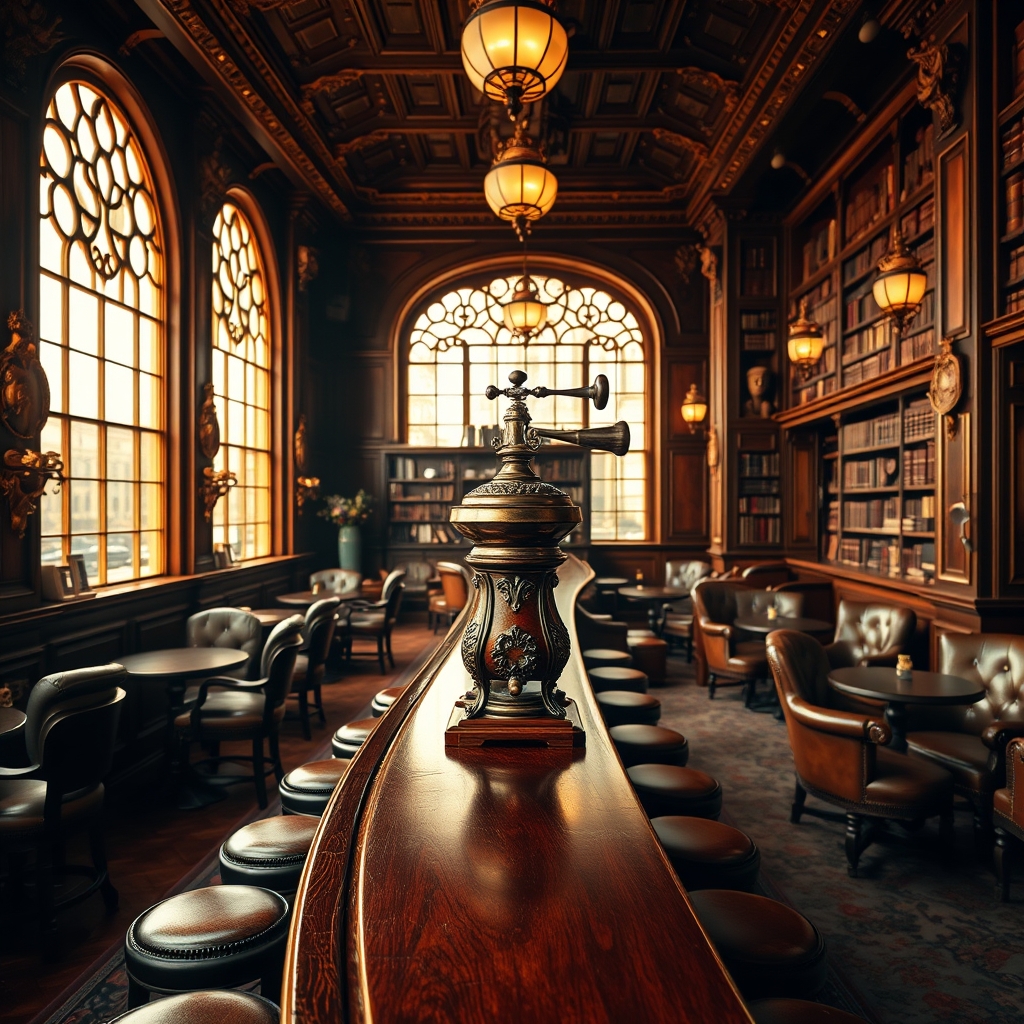
I've always been fascinated by the role coffeehouses have played in shaping modern society. As a hub for social gathering, intellectual discussion, and artistic expression, these establishments have been the backbone of cultural and historical development for centuries. The first coffeehouse, established in Constantinople in 1552, marked the beginning of a phenomenon that would spread across the globe, leaving an indelible mark on the fabric of human interaction. From the ornate cafes of 17th-century Europe to the modern, trendy coffee shops of today, the coffeehouse has remained a constant, evolving to reflect the needs and values of each successive generation.
One of the most significant contributions of coffeehouses to modern society has been their role as incubators of innovation and creativity. In 17th- and 18th-century England, coffeehouses were the go-to destinations for intellectuals, scientists, and artists, who would gather to discuss the latest ideas and discoveries. It was in these establishments that the likes of Isaac Newton, Edmund Halley, and Jonathan Swift would engage in lively debates, share their research, and collaborate on projects that would change the course of history. The coffeehouse environment, with its emphasis on free-flowing conversation and open exchange, provided the perfect catalyst for the cross-pollination of ideas, fostering a culture of creativity and experimentation that continues to inspire us today.
The Birthplace of Revolution
Coffeehouses have also played a significant role in the development of revolutionary ideas and social movements. In 18th-century France, cafes like the Procope and the Regence were hotbeds of radical thought, where thinkers like Voltaire, Rousseau, and Diderot would gather to discuss the principles of liberty, equality, and fraternity. These establishments provided a safe space for dissenting voices to be heard, allowing the seeds of revolution to be sown and nurtured. Similarly, in the United States, coffeehouses like the Green Dragon in Boston served as meeting places for patriots like Samuel Adams and John Hancock, who would plan and coordinate their resistance against British rule. The coffeehouse, with its atmosphere of conviviality and free expression, has consistently provided a platform for marginalized voices to be heard and for social change to be catalyzed.
Despite their significance, coffeehouses have often been overlooked as a driving force behind historical events. However, a closer examination of these establishments reveals a complex web of social, cultural, and economic factors that have shaped the course of human history. From the rise of urbanization and the growth of a literate middle class to the development of new technologies and artistic movements, coffeehouses have been at the forefront of these changes, providing a dynamic and adaptive environment that has allowed human creativity and ingenuity to flourish. Whether as a hub for intellectual discussion, a catalyst for social change, or simply as a comfortable space to relax and enjoy a cup of coffee, the coffeehouse has remained an enduring and essential part of our shared cultural heritage.
Coffeehouses as Cultural Melting Pots
Another crucial aspect of coffeehouses is their role as cultural melting pots, where people from diverse backgrounds and walks of life can come together to share ideas, traditions, and experiences. In the great cities of the world, from Vienna to Paris, from London to New York, coffeehouses have long been a staple of urban life, providing a welcoming space for immigrants, travelers, and locals alike to gather and interact. These establishments have played a vital role in facilitating cross-cultural exchange, allowing people to learn from one another, challenge their assumptions, and broaden their perspectives. Whether through the sharing of stories, the exchange of ideas, or simply the enjoyment of a cup of coffee, coffeehouses have consistently demonstrated their ability to bring people together, fostering a sense of community and understanding that transcends borders and boundaries.
As we look to the future, it's clear that the coffeehouse will continue to play a vital role in shaping modern society. Whether as a hub for social entrepreneurship, a platform for artistic expression, or simply as a comfortable space to relax and enjoy a cup of coffee, these establishments will remain an essential part of our shared cultural landscape. As we navigate the complexities of the 21st century, the coffeehouse offers a powerful reminder of the importance of human connection, creative expression, and community engagement. By embracing the rich history and cultural significance of these establishments, we can work to build a more compassionate, more creative, and more connected world, one cup of coffee at a time.
A Legacy of Creativity and Connection
I explored a related angle in Unmasking the Samurai Code if you want to keep pulling this thread.
As I reflect on the hidden history of coffeehouses, I'm struck by the enduring power of these establishments to inspire, to educate, and to connect us. From their humble beginnings in 16th-century Constantinople to their current status as a global phenomenon, coffeehouses have consistently demonstrated their ability to adapt, to evolve, and to thrive. As we move forward into an uncertain future, the coffeehouse offers a beacon of hope, a reminder that even in the darkest of times, there is always the potential for creativity, connection, and community to flourish. So the next time you step into a coffeehouse, remember that you're not just grabbing a cup of coffee – you're participating in a rich cultural tradition that has been shaping modern society for centuries.