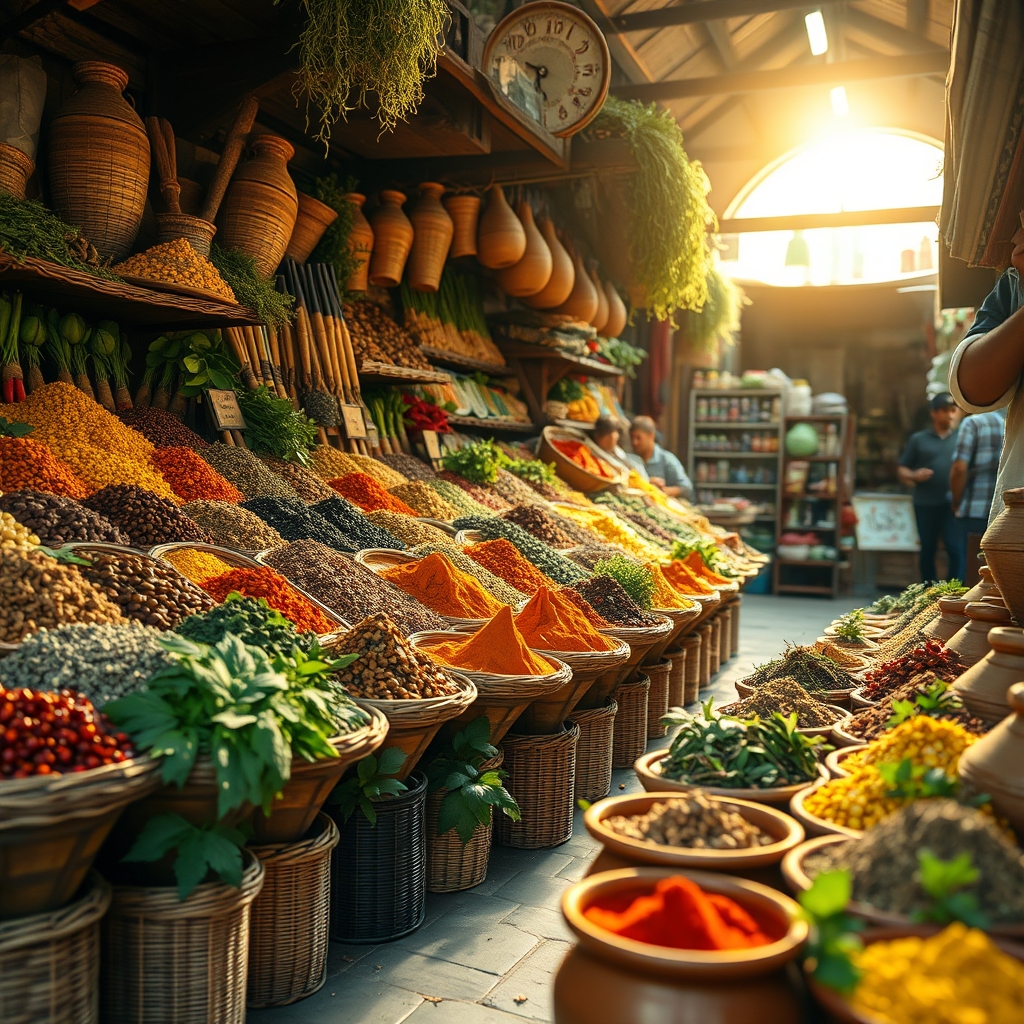
The Fermented Foods That Fed Civilizations
This post contains affiliate links. If you purchase through them, I may earn a small commission at no extra cost to you.
Before refrigerators, before canning, before the modern food supply chain, civilizations solved the preservation problem the same way — and discovered something remarkable in the process.
They learned that controlled decay made food better.
Fermentation — the transformation of food by microorganisms like bacteria, yeast, and molds — is among humanity's most ancient and universal technologies. Every major civilization independently developed fermented foods. And every one of them was changed by the discovery.
What Fermentation Actually Is
In basic terms, fermentation is what happens when microorganisms consume sugars and produce acids, alcohols, or gases. These byproducts change the food's chemical structure — usually making it more acidic, more alcoholic, or both — in ways that inhibit the growth of harmful bacteria while preserving the food for extended periods.
The practical result: a fresh vegetable that would spoil in days becomes a fermented vegetable that lasts months. Fresh milk becomes cheese that lasts years. Grain becomes beer that's safer to drink than untreated water. The science of fermentation is complex, but the discovery was accidental — somewhere, in many places independently, humans noticed that some spoiled food tasted better than fresh food and didn't kill them.
Africa's Fermentation Heritage
African fermentation traditions are among the world's most diverse and least documented in Western culinary history. They deserve recognition for their sophistication and age.
Ogi (West Africa): A fermented cereal porridge made from maize, sorghum, or millet. The fermentation improves digestibility, enhances bioavailability of zinc and iron, and reduces levels of antinutrients that can interfere with mineral absorption. Ogi is among the first foods given to weaning infants across West Africa — a nutritional technology refined over millennia.
Dawadawa (across Sub-Saharan Africa): Fermented locust beans used as a condiment, adding deep umami flavor to soups and stews. The fermentation produces protein-rich paste that seasons food the way East Asian fermented soybean pastes do — an independently discovered parallel solution to the same problem.
Injera (Ethiopia and Eritrea): The sourdough flatbread made from teff, fermented for 2–3 days before cooking. The fermentation makes teff's nutrients more bioavailable, creates the bread's distinctive sour flavor, and allows the batter to develop a spongy, porous texture perfect for absorbing stews. The culinary heritage of East Africa is inseparable from its fermentation knowledge.
Asia's Fermentation Empires
Much of Asia's flavor profile — soy sauce, miso, kimchi, fish sauce, mirin, rice vinegar — traces to fermentation traditions that are thousands of years old.
Koji (Japan, China, Korea): The mold Aspergillus oryzae (called koji in Japan) is arguably the most important microorganism in Asian cuisine. It produces enzymes that break proteins into amino acids and starches into sugars, generating deep umami and subtle sweetness. Soy sauce, miso, sake, and mirin are all koji products. A civilization's flavor fingerprint, built on a single fungus.
Kimchi (Korea): The world-famous fermented vegetable dish — traditionally baechu-kimchi made from Napa cabbage — isn't just food. It's a cultural institution. Kimchi-making (kimjang) is UNESCO intangible cultural heritage. A single Korean household might make hundreds of kimchi jars before winter, burying them underground to ferment slowly through the cold months. The practice encodes community, seasonal rhythm, and nutritional wisdom developed across centuries.
Europe's Fermentation Traditions
European fermentation traditions are anchored in dairy and grain. Cheese — of which Europe produces hundreds of regional varieties — is essentially fermented milk, with different molds, bacteria, and techniques producing radically different results from the same base ingredient. The range from fresh ricotta to aged Parmesan to blue-veined Roquefort represents thousands of years of accumulated fermentation knowledge.
Beer, too, was central to European diet and economy. Medieval ale was safer than untreated water and more calorie-dense than grain. Monasteries became early brewing laboratories, developing techniques and recipes that fueled entire communities through winter.
The Modern Fermentation Revival
After a century of industrial food production that largely displaced traditional fermentation, there's been a significant revival of interest in fermented foods. The drivers are multiple: growing understanding of the gut microbiome's role in health, increased interest in food preservation and self-sufficiency, and a broader return to traditional culinary practices.
The science increasingly supports what traditional cultures always knew: fermented foods often deliver superior nutrition compared to their unfermented counterparts. They improve mineral bioavailability, introduce beneficial bacteria, break down antinutrients, and produce bioactive compounds not present in fresh ingredients.
Sourdough baking, home kombucha brewing, DIY kimchi, kefir — these aren't just food trends. They're reconnections to a food technology that predates writing, agriculture, and civilization as we know it.
What Fermentation Teaches About Innovation
Every civilization that discovered fermentation independently arrived at the same insight: the best preservation isn't prevention of change — it's direction of change. You can't stop time. You can choose which transformations you allow.
This is also good philosophy. In a world of constant change, the question isn't how to hold things still — it's which processes you cultivate and which you prevent. Fermentation is controlled chaos: you create the conditions for beneficial microorganisms to outcompete harmful ones. Mastery is not control; it's cultivation.
The same logic applies to building organizations, writing books, or growing — as explored in the global journey of spice traditions. Understanding how traditions transmit across cultures and time reveals something fundamental about what human beings have always valued: flavor, nutrition, and the ingenious transformation of raw material into something richer.