Saffron Threads: Unraveling the Spice Route
As I delve into the world of saffron, I am struck by the complexity and richness of this ancient spice. For thousands of years, saffron has been a coveted ingredient, prized for its vibrant color, distinct flavor, and numerous health benefits. The journey of saffron, from its origins in the Middle East to its current status as a luxury spice, is a fascinating tale of trade, culture, and cuisine. In this blog post, I will unravel the mysteries of saffron, exploring its history, production, and uses in various culinary traditions.
A Brief History of Saffron
Saffron's history dates back to ancient civilizations in the Middle East, where it was highly valued for its medicinal, culinary, and dyeing properties. The spice was used to color fabrics, particularly the robes of royalty and nobility, and was also employed in traditional medicine to treat a range of ailments. As trade routes expanded, saffron spread to other parts of the world, including the Mediterranean region, where it became an essential ingredient in many cuisines. The Phoenicians, Greeks, and Romans all prized saffron for its unique flavor and aroma, using it to flavor dishes such as paella, risotto, and bouillabaisse.
In the Middle Ages, saffron became a highly sought-after spice in Europe, particularly in the wealthy cities of Italy and Spain. The spice was used to flavor and color a range of dishes, from sauces and stews to cakes and pastries. However, saffron's high price and limited availability made it accessible only to the wealthy, earning it the nickname "red gold." Today, saffron is still considered a luxury spice, with high-quality threads commanding a premium price due to the labor-intensive process of harvesting and drying.
The Production of Saffron
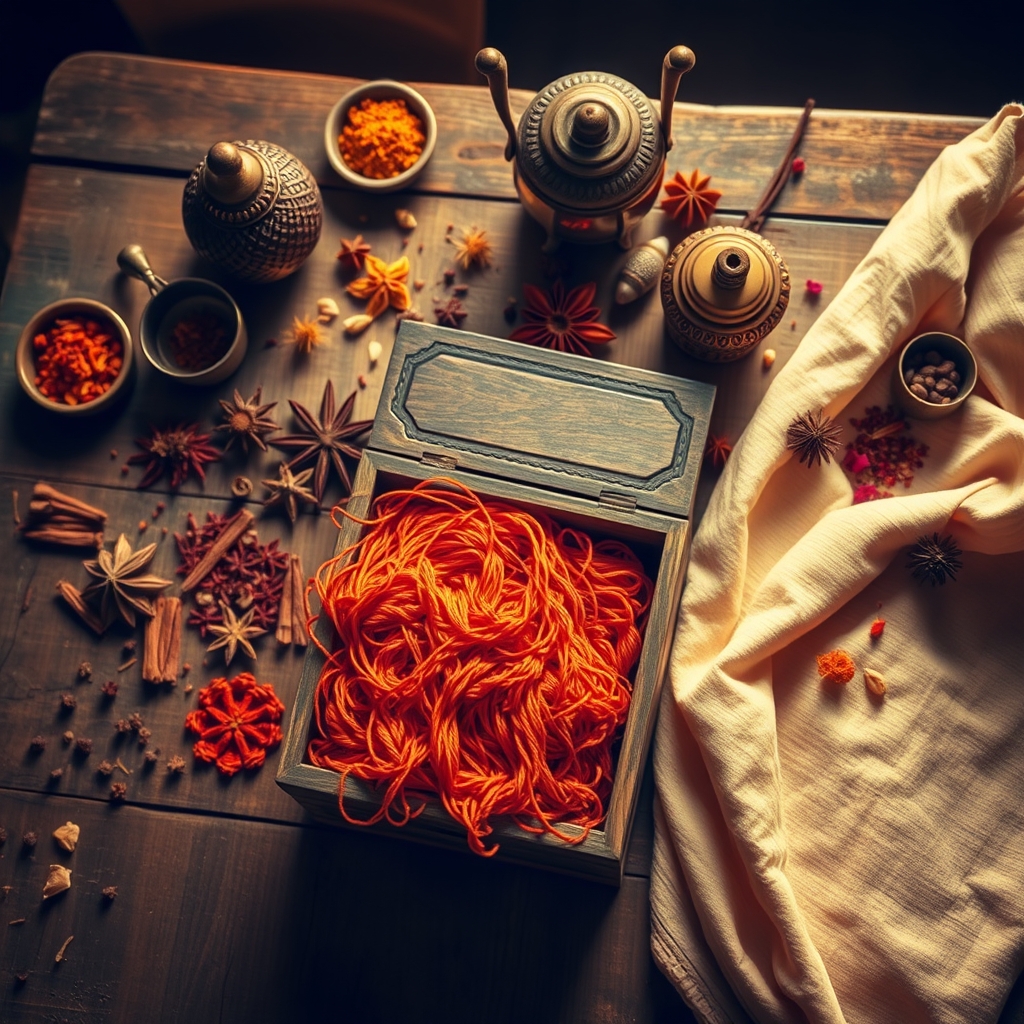
The production of saffron is a painstaking process that requires great skill and attention to detail. Saffron is derived from the dried stigmas of the saffron crocus flower, which blooms for only a few weeks in the fall. Each flower produces only three to four stigmas, which must be carefully hand-picked and dried immediately to preserve their flavor and color. It takes approximately 75,000 flowers to produce just one pound of saffron, making it one of the most expensive spices in the world.
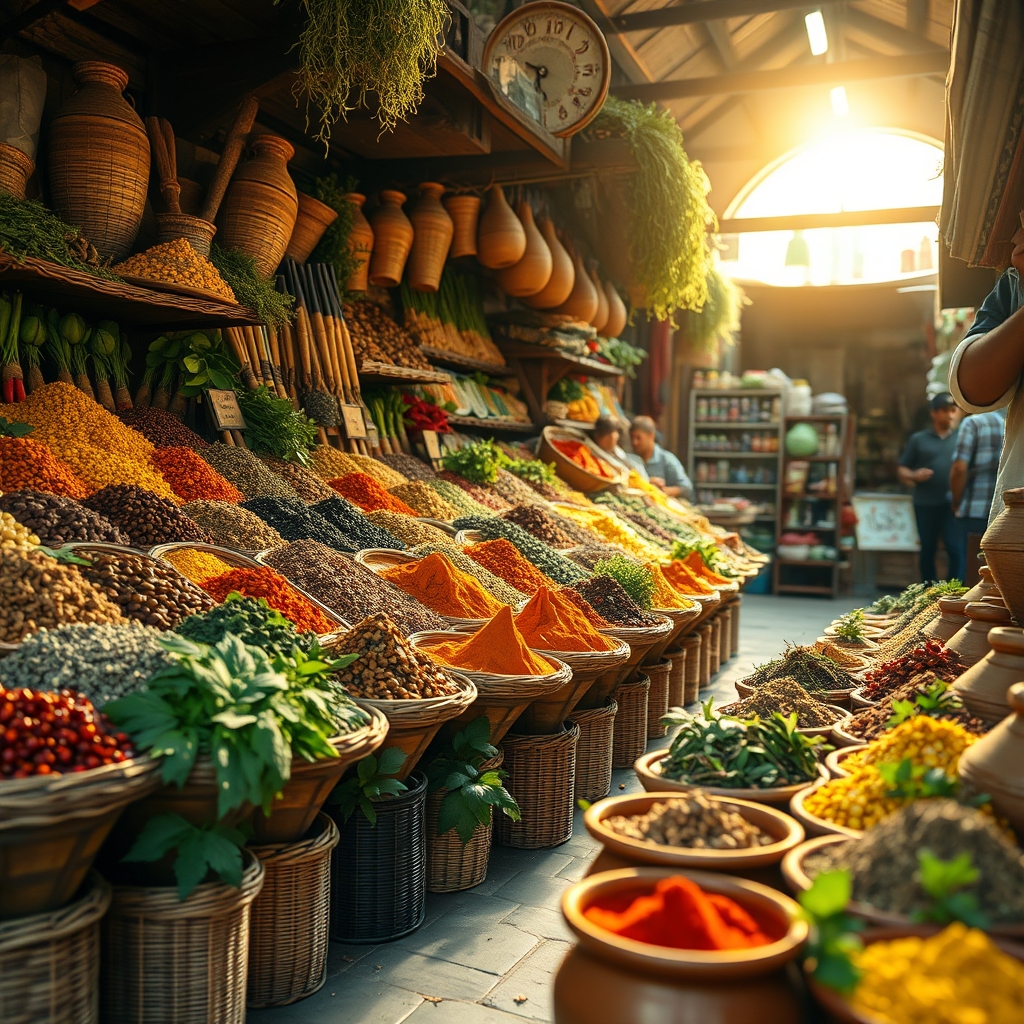
Despite the challenges of saffron production, many countries continue to cultivate and harvest the spice, including Iran, Spain, and Italy. Each region has its own unique methods and traditions for producing saffron, with some farmers using traditional techniques passed down through generations, while others employ more modern and efficient methods. The quality of saffron can vary greatly depending on factors such as the soil, climate, and harvesting techniques, making it essential to source high-quality threads from reputable suppliers.
Culinary Uses of Saffron
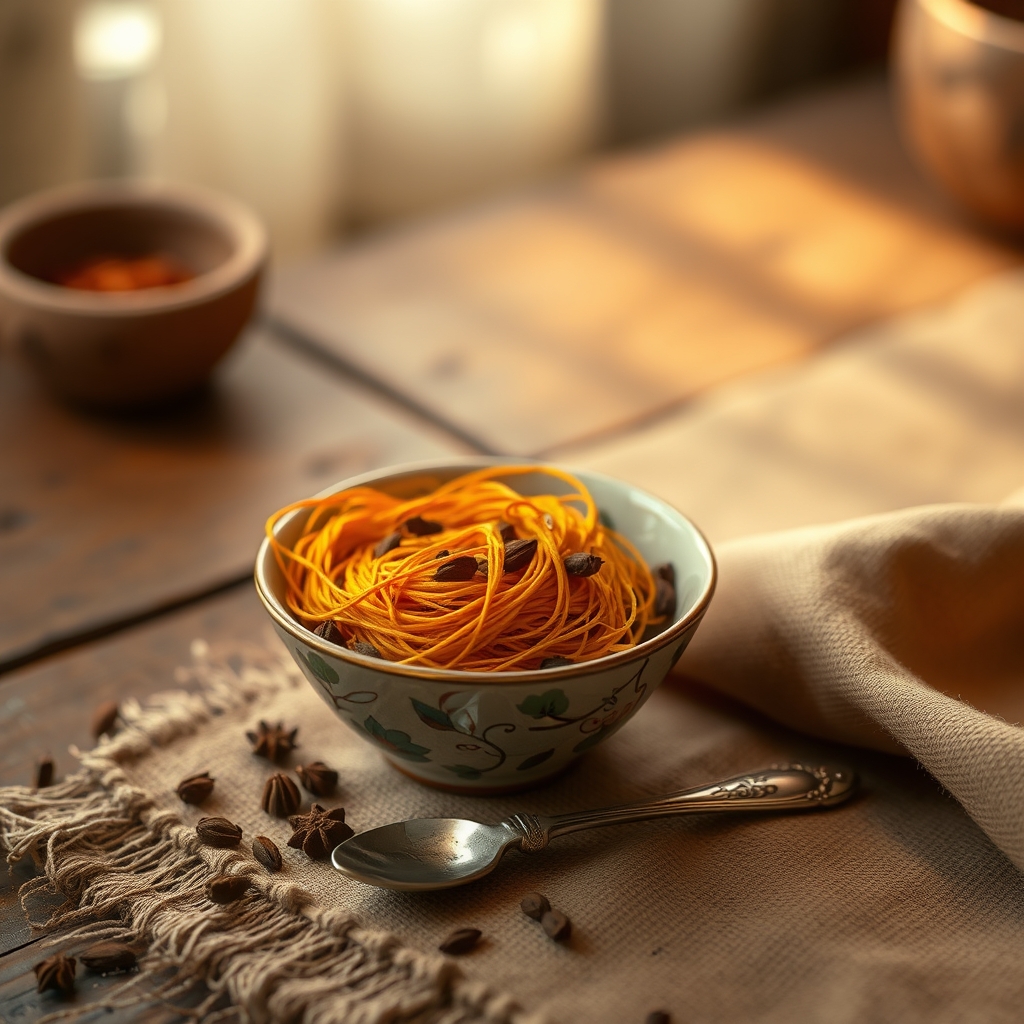
Saffron's unique flavor and aroma make it a versatile ingredient in many cuisines. In Spanish cuisine, saffron is a key ingredient in paella, adding a distinctive yellow color and flavor to the dish. In Italian cuisine, saffron is used to flavor risottos, particularly those from the Milan region. In Indian cuisine, saffron is used to flavor and color a range of dishes, including curries, biryanis, and desserts such as kulfi and gulab jamun.
In addition to its culinary uses, saffron has also been prized for its medicinal properties, including its ability to reduce inflammation, improve mood, and enhance cognitive function. The spice has also been used in traditional medicine to treat a range of ailments, from digestive issues to skin problems. With its rich history, unique flavor, and numerous health benefits, saffron is a spice that continues to captivate and inspire cooks and food enthusiasts around the world.
I explored a related angle in Flavors of Forgotten Streets if you want to keep pulling this thread.
As I conclude my journey into the world of saffron, I am struck by the spice's enduring appeal and versatility. Whether used in traditional dishes or modern recipes, saffron adds a unique and unmistakable flavor that is sure to impress. With its rich history, cultural significance, and numerous health benefits, saffron is a spice that deserves to be appreciated and celebrated, and I hope that this blog post has inspired you to explore the many wonders of this ancient and captivating spice.