Flavors of Forgotten Streets
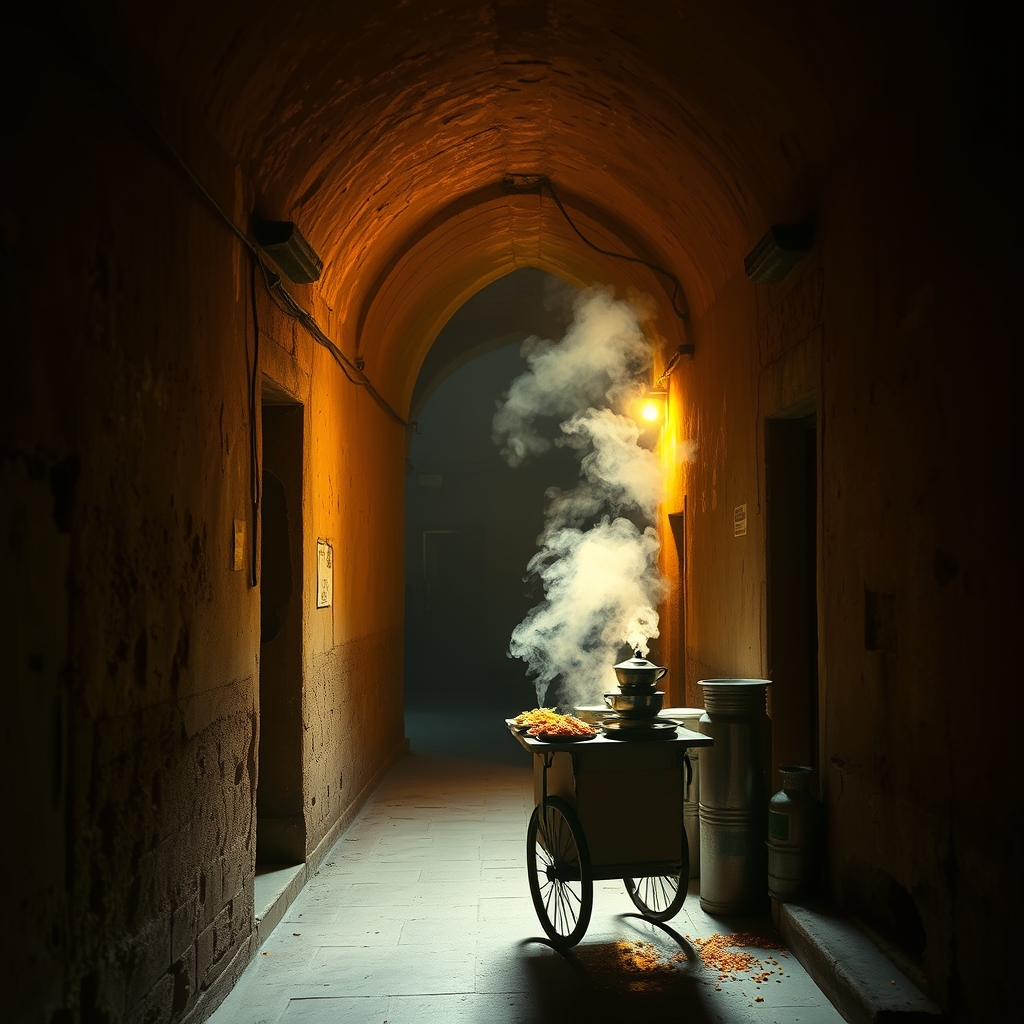
I still remember the first time I stumbled upon a small, family-owned eatery in a forgotten street of my hometown. The sign above the door read "Mama's Kitchen," and the aroma of slow-cooked stews wafting out of the kitchen was irresistible. I pushed open the door, and a bell above it rang out, announcing my arrival. The interior was simple, with faded photographs on the walls and a handful of tables scattered about. But it was the food that truly caught my attention – rich, bold flavors that seemed to transport me to a different time and place. As I sat down to enjoy my meal, I realized that this little gem was a treasure trove of culinary delights, hidden away from the hustle and bustle of the main streets.
Since then, I've made it a point to explore the forgotten streets of every city I visit, searching for similar hidden gems. And I've found that these small, family-owned eateries often serve the most authentic, mouth-watering dishes. They're the kind of places where the chef is also the owner, and the recipes have been passed down through generations. Where the food is made with love, and the atmosphere is warm and inviting. I've discovered tiny cafes serving the fluffiest, most tender pastries, and small restaurants dishing out spicy curries that leave you breathless. Each of these places has its own unique story to tell, and its own special flavor to share.
The Art of Traditional Cooking
One of the things that sets these hidden gems apart is their commitment to traditional cooking methods. In an era where fast food and instant gratification are the norm, it's refreshing to find places that still value the art of slow cooking. Where ingredients are carefully selected, and dishes are prepared with patience and dedication. I've watched chefs painstakingly prepare intricate sauces, and cooks carefully tend to simmering pots of stew. It's a labor of love, and the end result is always worth the wait. The flavors are deeper, the textures are more complex, and the overall experience is more satisfying.
I recall visiting a small eatery in a rural town, where the chef was famous for his traditional clay-pot cooking. The dish was a hearty stew made with tender chunks of meat, fresh vegetables, and a rich, flavorful broth. The chef had spent hours preparing the ingredients, and the stew had simmered for most of the day, filling the kitchen with its savory aroma. As I took my first bite, I was struck by the depth of flavor, and the tenderness of the meat. It was a truly unforgettable experience, and one that I still cherish to this day.
Flavors of the Past
Another aspect of these hidden gems is the way they often evoke a sense of nostalgia. The flavors and aromas they serve up are often reminiscent of a bygone era, when life was simpler, and food was more authentic. I've found myself transported back to my childhood, surrounded by the sights and smells of my grandmother's kitchen. The taste of a traditional dish can be a powerful trigger, evoking memories and emotions that had long been forgotten. And it's not just the food itself, but the atmosphere of these eateries that adds to the sense of nostalgia. The faded photographs on the walls, the vintage decor, and the warm, welcoming service all combine to create an experience that's both nostalgic and timeless.
As I continue to explore the forgotten streets of cities around the world, I'm constantly amazed by the diversity and richness of the culinary landscape. Each new discovery is a thrill, a chance to experience something unique and authentic. And I'm reminded that the best food is often found in the most unexpected places – hidden away from the crowds, and waiting to be discovered by intrepid foodies like myself. So if you're looking to discover the true flavors of a city, don't be afraid to venture off the beaten path, and explore the forgotten streets. You never know what hidden gems you might find.
A World of Culinary Delights
I explored a related angle in Savoring Umami: The Fifth Taste if you want to keep pulling this thread.
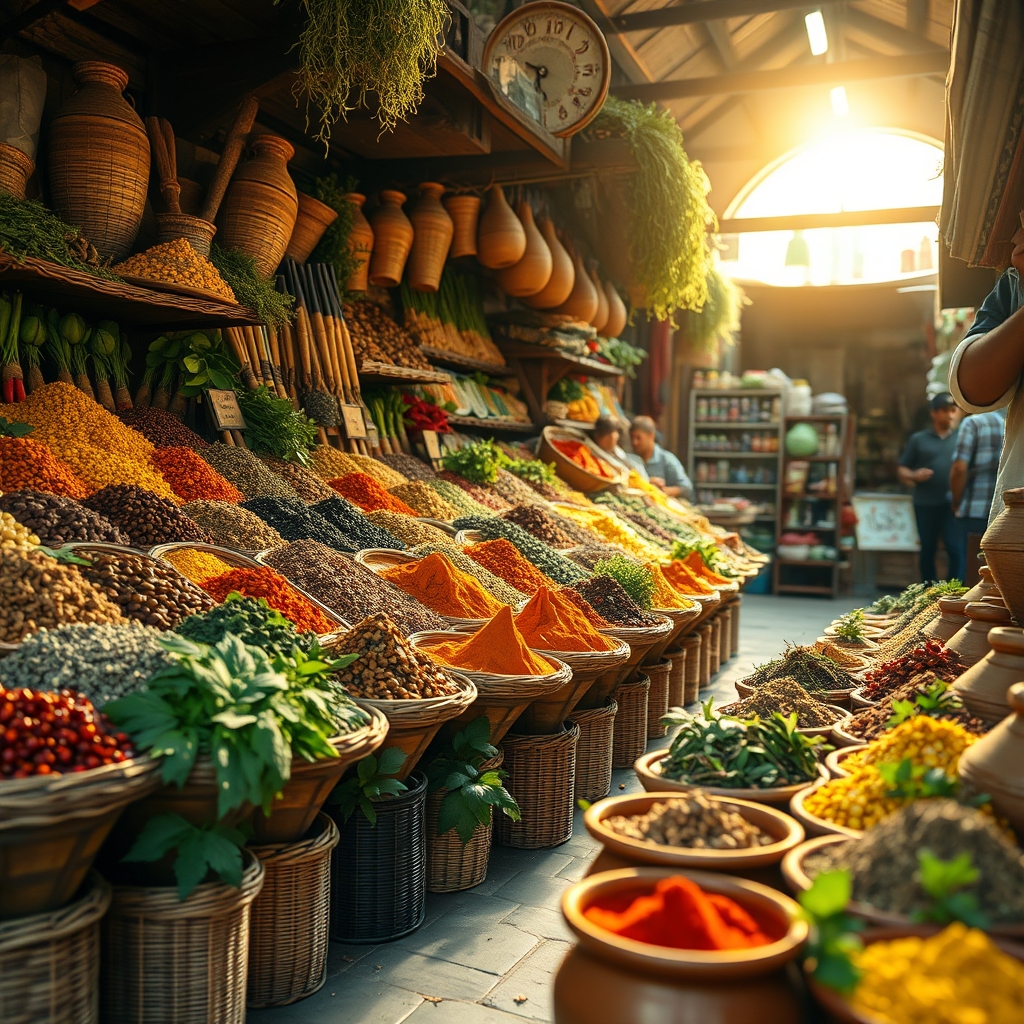
From the spicy street food of Asia, to the rich, hearty stews of Europe, the world of cuisine is a vast and wondrous place. And the forgotten streets of cities around the world are a treasure trove of culinary delights, waiting to be discovered. Whether you're a foodie, a traveler, or simply someone who loves to explore, I encourage you to venture out and discover the hidden gems of your city. You might be surprised at what you find – a small, family-owned eatery serving the most delicious, authentic dishes, or a tiny cafe with the most mouth-watering pastries. Whatever it is, I'm sure you'll be delighted by the flavors and aromas of these forgotten streets, and you'll be eager to return, again and again, to experience the magic of these hidden gems.