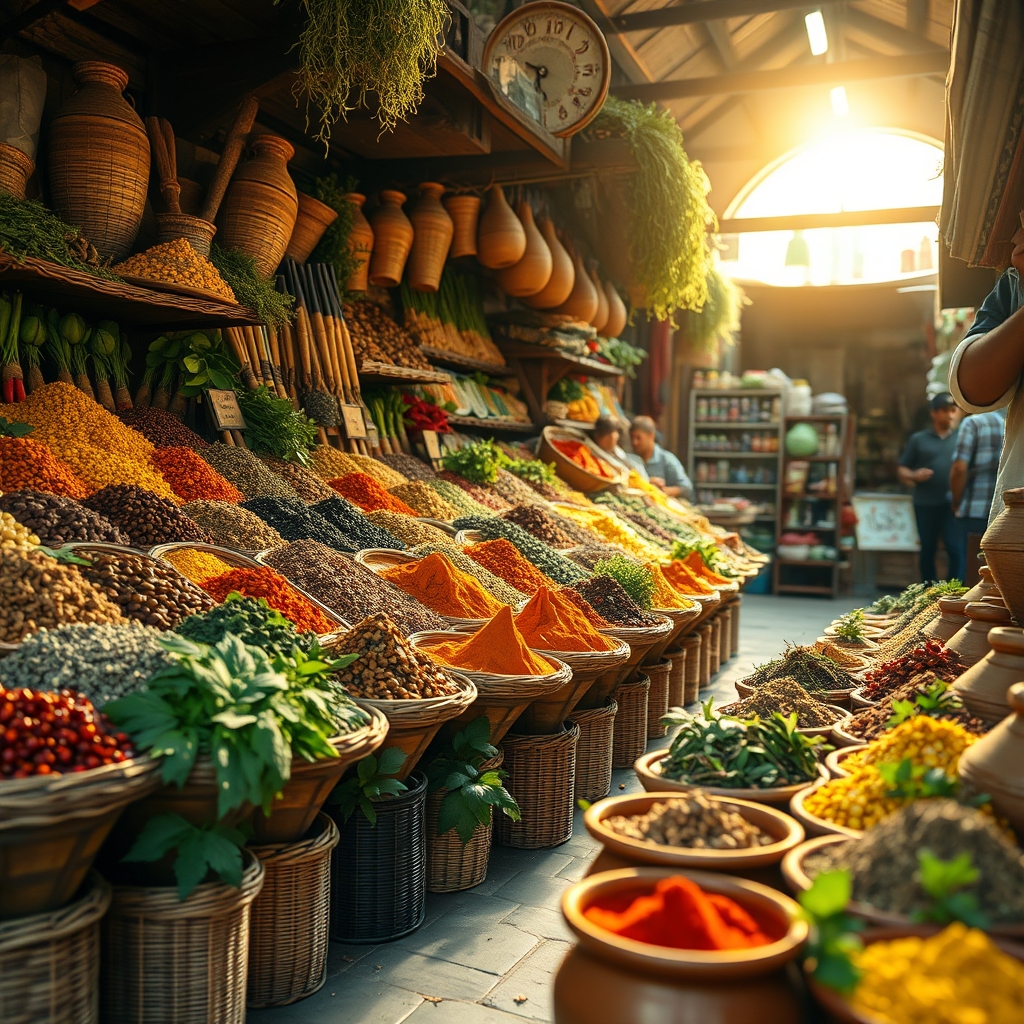
Rediscovering Ancient Grains
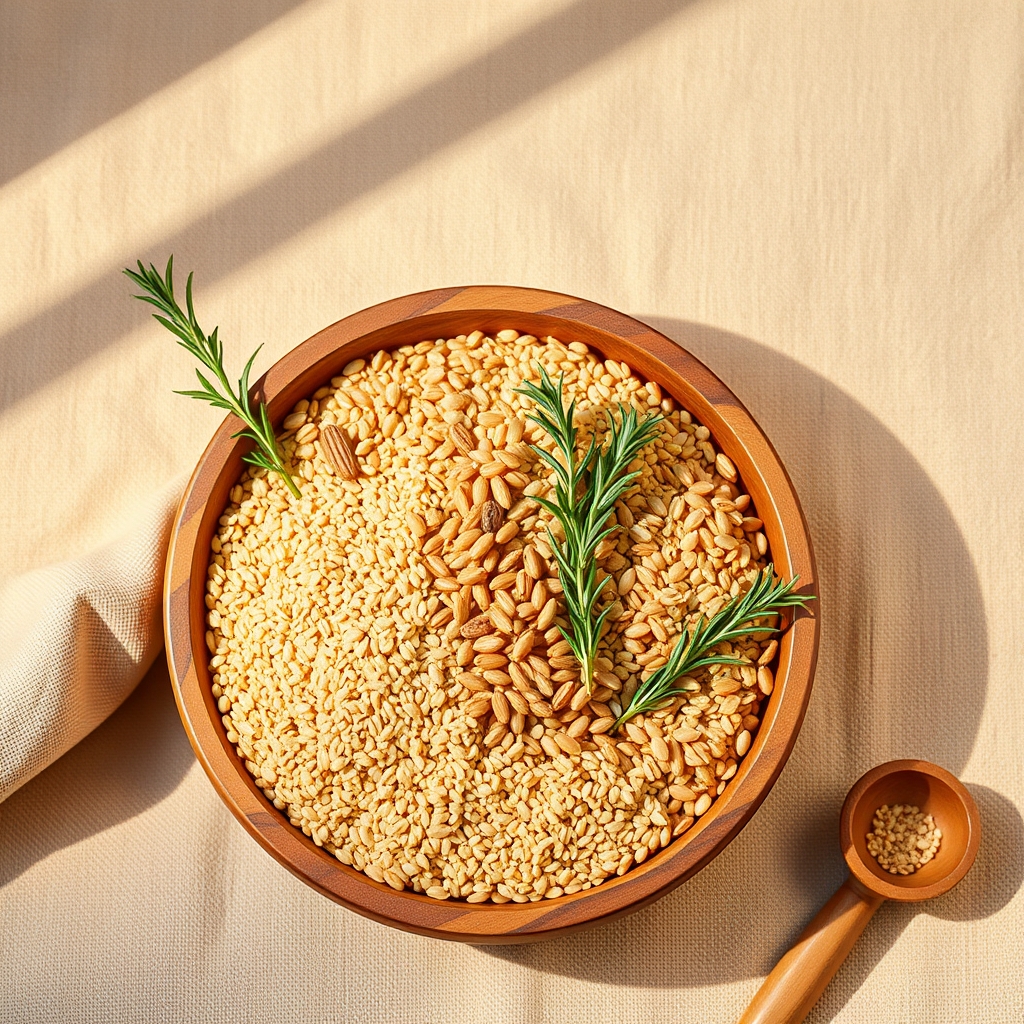
I still remember the first time I bit into a crusty loaf made from heritage wheat - the flavor was like nothing I'd ever tasted before. It was as if the bread was alive, with a depth and richness that was missing from the bland, mass-produced bread I was used to. That experience sparked a curiosity in me about the ancient grains that our ancestors used to bake with, and I've been on a mission to rediscover them ever since. Heritage wheat, in particular, has become a passion of mine, and I'm excited to share what I've learned with you.
For centuries, wheat was a diverse crop with thousands of different varieties, each with its own unique characteristics and flavors. However, with the advent of industrial agriculture, many of these heritage varieties were lost in favor of high-yielding, disease-resistant strains that were better suited to large-scale farming. The result was a homogeneous, bland wheat that was good for making cheap bread, but lacking in nutritional value and flavor. Thankfully, there's been a resurgence of interest in heritage wheat in recent years, and many farmers are now working to preserve and promote these ancient varieties.
The Benefits of Heritage Wheat
So, what makes heritage wheat so special? For starters, it's much higher in nutrients than modern wheat, with more protein, fiber, and minerals like iron and zinc. It's also lower on the glycemic index, which means it's less likely to cause a spike in blood sugar levels. But the real benefit of heritage wheat is its flavor - it's like a symphony of tastes, with notes of sweetness, nuttiness, and earthiness that are simply missing from modern wheat. And because heritage wheat is often grown using traditional farming methods, it's also better for the environment, with a lower carbon footprint and fewer chemicals used in the growing process.
I've had the chance to try several different varieties of heritage wheat, and each one has its own unique characteristics. Some are sweet and nutty, while others are more earthy and robust. I've even tried some varieties that have a slightly spicy or smoky flavor, which adds a whole new dimension to bread-making. The diversity of heritage wheat is truly amazing, and it's opened up a whole new world of possibilities for bakers and cooks.
Cooking with Heritage Wheat
So, how can you get started with cooking and baking using heritage wheat? The first step is to find a source of high-quality heritage wheat flour - this might be a local bakery or mill, or an online supplier. Once you have the flour, you can start experimenting with different recipes and techniques. One of the things I love about heritage wheat is that it's very forgiving - it's easy to work with, and it produces beautiful, crusty loaves with minimal effort. I've also found that heritage wheat is great for making pasta, pizza dough, and even baked goods like cakes and cookies.
Of course, working with heritage wheat does require a bit of patience and practice. The dough can be more temperamental than modern wheat, and it may take some trial and error to get the hang of it. But the rewards are well worth the effort - there's nothing quite like the satisfaction of biting into a warm, freshly baked loaf made from heritage wheat. And as you experiment with different recipes and techniques, you'll start to appreciate the unique characteristics of each variety, and develop a deeper understanding of the art of bread-making.
Preserving the Legacy of Ancient Grains
As I've delved deeper into the world of heritage wheat, I've come to realize just how important it is to preserve the legacy of these ancient grains. Not only do they offer a unique and delicious alternative to modern wheat, but they also represent a connection to our cultural and culinary heritage. By supporting farmers and bakers who are working to preserve heritage wheat, we're helping to ensure that these varieties continue to thrive for generations to come. And as we explore the diversity and richness of heritage wheat, we're also reminded of the importance of preserving biodiversity and promoting sustainable agriculture.
I explored a related angle in The Art of Fermentation if you want to keep pulling this thread.
For me, the journey of rediscovering ancient grains has been a truly life-changing experience. It's opened up a whole new world of flavors and possibilities, and it's given me a deeper appreciation for the art of bread-making and the importance of preserving our culinary heritage. I hope that by sharing my passion for heritage wheat, I can inspire others to join me on this journey, and to experience the joy and wonder of working with these incredible ancient grains.