The Art of Fermentation
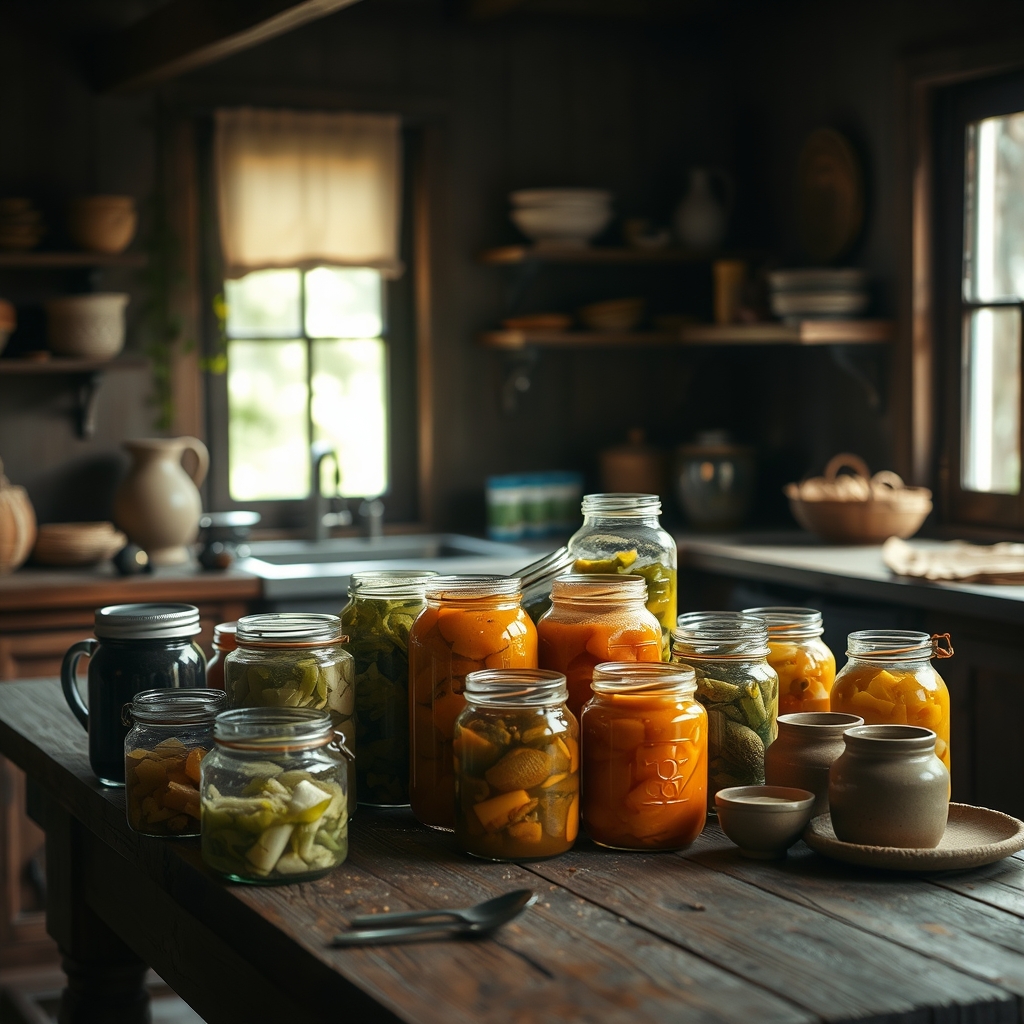
I've always been fascinated by the art of fermentation, and the incredible depth of flavor it can bring to even the simplest of dishes. Unlocking flavors is what fermentation is all about - taking a basic ingredient and transforming it into something entirely new and complex. From the tangy zip of a well-made sauerkraut to the rich, umami taste of a perfectly fermented miso, the possibilities are endless. As I've delved deeper into the world of fermentation, I've come to realize that it's not just about creating delicious food - it's also about preserving tradition, supporting local communities, and promoting sustainability.
The Science Behind Fermentation
So, how does fermentation actually work? At its core, fermentation is a process that involves the action of microorganisms - such as bacteria or yeast - on a food source. These microorganisms feed on the sugars present in the food, producing compounds like lactic acid, carbon dioxide, and ethanol as byproducts. It's these compounds that give fermented foods their characteristic flavors, textures, and aromas. For example, the lactic acid produced during the fermentation of sauerkraut is what gives it its distinctive tanginess, while the carbon dioxide produced during the fermentation of bread is what makes it rise. By controlling factors like temperature, pH, and oxygen levels, fermenters can influence the types of microorganisms that thrive, and therefore the final flavor and texture of the fermented product.
One of the most interesting things about fermentation is the way it can be used to preserve food. Before the advent of modern refrigeration, fermentation was one of the primary methods used to keep food from spoiling. By creating an environment that's inhospitable to pathogens and other unwanted microorganisms, fermenters can effectively "pickle" their food, making it safe to eat for months or even years after it's been harvested. This is especially important for foods that are prone to spoilage, like vegetables or meats. By fermenting these foods, we can not only preserve them, but also create new and exciting flavors that add depth and variety to our diets.
Exploring the World of Fermented Foods
From kimchi to kefir, miso to mango chutney, the world of fermented foods is incredibly diverse. Each culture has its own unique fermentation traditions, reflecting local ingredients, climate, and culinary preferences. In Korea, for example, kimchi is a staple side dish made from fermented vegetables - usually cabbage or radishes - that's seasoned with chili peppers, garlic, and other spices. In Japan, miso is a fermented soybean paste that's used to make soups, sauces, and marinades. And in India, yogurt is often fermented with spices and herbs to create a refreshing and healthy drink called lassi. By exploring these different fermentation traditions, we can gain a deeper appreciation for the diversity and richness of global cuisine.
As I've experimented with different fermented foods, I've been struck by the way they can add complexity and interest to even the simplest of dishes. A spoonful of fermented chili paste can elevate a humble stir-fry into a spicy, savory masterpiece. A sprinkle of fermented cheese can add a tangy, umami flavor to a green salad. And a bowl of fermented soup - like the Korean dish doenjang jjigae - can be a hearty, comforting meal that's packed with nutrients and flavor. Whether you're a seasoned foodie or just starting to explore the world of fermentation, there's no denying the magic that happens when you combine simple ingredients with the power of microorganisms.
Getting Started with Fermentation
So, how can you get started with fermentation? The good news is that it's easier than you might think. With just a few basic ingredients and some simple equipment, you can start fermenting your own foods at home. One of the easiest places to start is with sauerkraut - all you need is some shredded cabbage, salt, and a jar or container to ferment it in. Simply massage the cabbage with salt to create a brine, pack it into the jar, and let it sit at room temperature for a few weeks. Before you know it, you'll have a delicious, tangy sauerkraut that's perfect for topping sandwiches or salads. From there, you can experiment with other fermented foods like kimchi, kefir, or sourdough bread - the possibilities are endless, and the rewards are well worth the effort.
I explored a related angle in Savoring Street Food Traditions if you want to keep pulling this thread.
As I continue to explore the art of fermentation, I'm constantly amazed by the depth and richness of flavor that it can bring to even the simplest of dishes. Whether you're a seasoned foodie or just starting to explore the world of fermentation, I encourage you to give it a try - you never know what delicious, unexpected flavors you might discover. With its unique combination of science, tradition, and creativity, fermentation is a culinary art form that's sure to inspire and delight. So go ahead, get fermenting, and unlock the incredible flavors that are waiting for you!