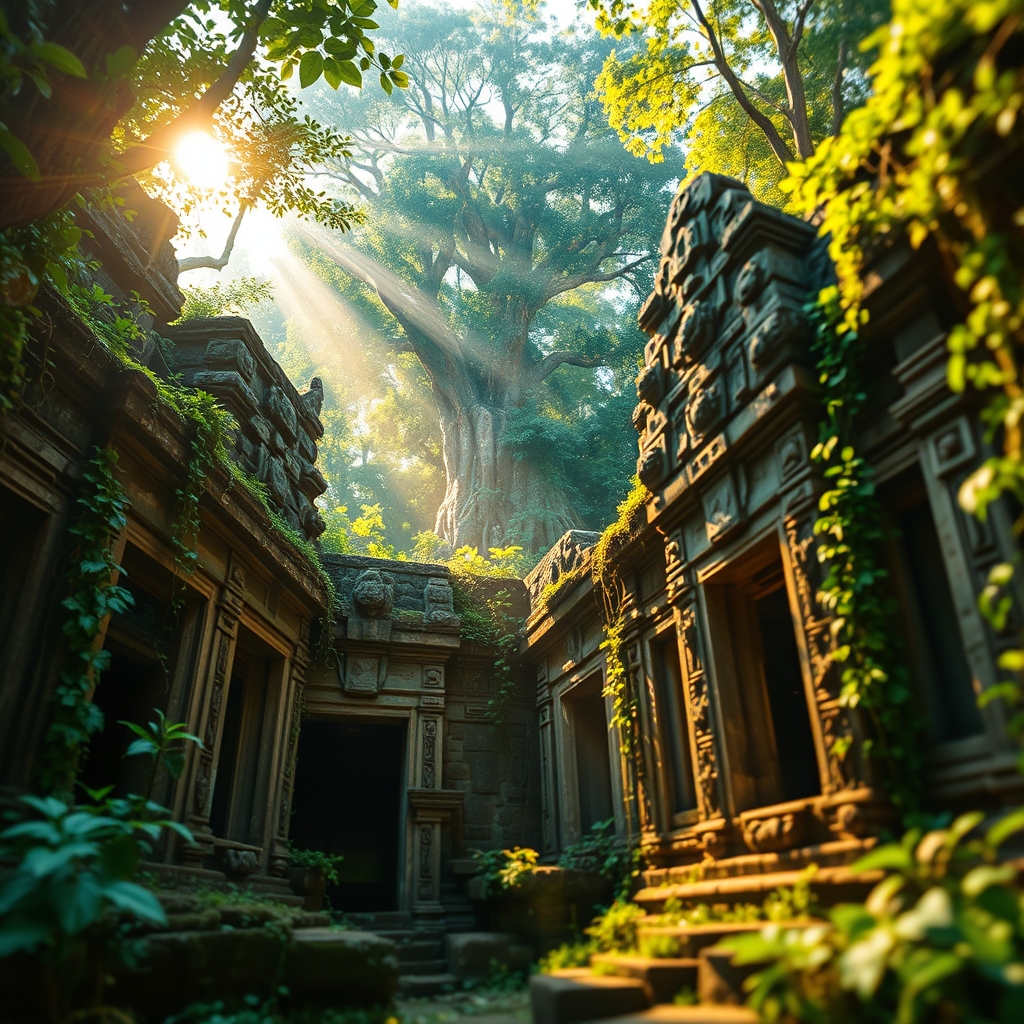
Lost Cities of the Silk Road
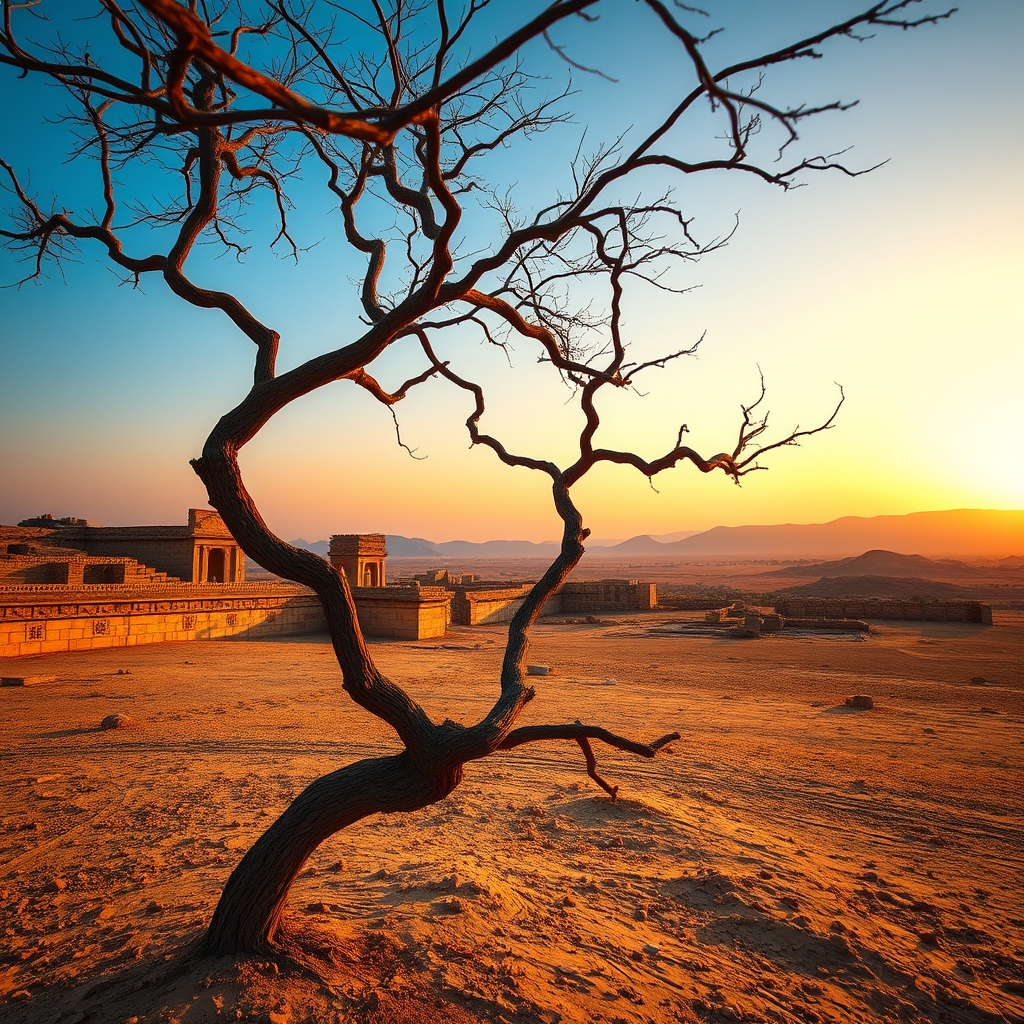
I've always been fascinated by the ancient trade routes that connected East and West, and the Lost Cities of the Silk Road are a treasure trove of history and culture. As I delve into the stories of these forgotten cities, I'm struck by the sheer scale and complexity of the networks that once thrived here. From the scorching deserts of China to the snow-capped mountains of Central Asia, the Silk Road was a conduit for ideas, goods, and people that shaped the course of human civilization. Uncovering the secrets of these lost cities is like unraveling a rich tapestry, with each thread revealing a new facet of our shared heritage.
One of the most captivating aspects of the Lost Cities of the Silk Road is the way they seem to defy time and geography. Cities like Samarkand, Bukhara, and Khiva in modern-day Uzbekistan were once major centers of learning, art, and commerce, attracting scholars, merchants, and travelers from all over the known world. The architecture, art, and literature that emerged from these cities are a testament to the cultural cross-pollination that occurred along the Silk Road. As I explore the ruins of these cities, I'm struck by the blend of Islamic, Buddhist, and Christian influences that seem to coexist in harmony, a reminder that even in ancient times, diversity and tolerance were essential components of a thriving society.
The Golden Age of the Silk Road
The Silk Road's golden age, which spanned from the 8th to the 14th centuries, was a time of unprecedented growth and exchange. Cities like Chang'an (modern-day Xi'an) in China and Baghdad in Iraq were major hubs of trade and learning, with merchants and scholars exchanging goods and ideas that would shape the course of history. The Silk Road was more than just a trade route – it was a conduit for the spread of technologies, philosophies, and artistic innovations that transformed the ancient world. From the invention of paper and gunpowder to the transmission of Buddhist scriptures and Islamic knowledge, the Silk Road played a pivotal role in shaping the course of human progress.
As I reflect on the history of the Silk Road, I'm struck by the resilience and adaptability of the people who lived and traveled along this ancient network. From the nomadic tribes of the Mongolian steppes to the urban elites of the Chinese cities, the people of the Silk Road were a diverse and dynamic bunch, capable of navigating the complexities of trade, diplomacy, and cultural exchange with ease. Their legacy can be seen in the modern-day cities that have risen from the ashes of the ancient Silk Road, cities that continue to thrive and evolve in the face of changing times and circumstances.
Uncovering the Ruins
Today, many of the Lost Cities of the Silk Road lie in ruins, a testament to the ravages of time and the capricious nature of human history. Yet, even in decay, these cities retain a haunting beauty, a reminder of the transience and fragility of human civilization. As I walk through the ruins of cities like Persepolis in modern-day Iran or Taxila in Pakistan, I'm struck by the sheer scale and grandeur of the architecture, the intricate carvings and sculptures that adorn the walls and monuments. Each city has its own unique story to tell, a story that is both deeply personal and profoundly universal, a reminder that even in the most forgotten and neglected corners of the world, there lies a deep and abiding humanity.
Despite the passage of time, the Lost Cities of the Silk Road continue to captivate our imagination, inspiring new generations of travelers, scholars, and adventurers to explore and uncover their secrets. As I reflect on the history and culture of these ancient cities, I'm reminded of the power of human curiosity and ingenuity, the boundless capacity of our species to create, to innovate, and to connect with one another across time and space. The Lost Cities of the Silk Road may be lost to the sands of time, but their legacy lives on, a testament to the enduring power of human creativity and the unbreakable bonds that unite us all.
A Legacy of Cultural Exchange
The Lost Cities of the Silk Road are more than just a relic of the past – they represent a living, breathing legacy of cultural exchange and cross-pollination that continues to shape our world today. From the spicy cuisine of Central Asia to the intricate textiles of China, the Silk Road's influence can be seen in the art, literature, and music of cultures around the world. As I explore the modern-day cities that have risen from the ashes of the ancient Silk Road, I'm struck by the vibrant diversity and creativity that seems to emanate from every corner of these urban landscapes. The Lost Cities of the Silk Road may be lost, but their spirit lives on, a reminder that even in the most unexpected and forgotten places, there lies a deep and abiding beauty, a beauty that is waiting to be uncovered and celebrated by a new generation of travelers and explorers.
I explored a related angle in Uncovering Hidden Histories of Ancient Trade Routes if you want to keep pulling this thread.
In the end, the story of the Lost Cities of the Silk Road is a story about the power of human connection, a reminder that even in the most ancient and forgotten corners of the world, there lies a deep and abiding sense of community and shared humanity. As I reflect on the history and culture of these ancient cities, I'm reminded of the importance of preserving our cultural heritage, of protecting and promoting the diversity and creativity that makes our world such a rich and wondrous place. The Lost Cities of the Silk Road may be lost to the sands of time, but their legacy lives on, a testament to the enduring power of human imagination and the unbreakable bonds that unite us all.