Uncovering Hidden Histories of Ancient Trade Routes
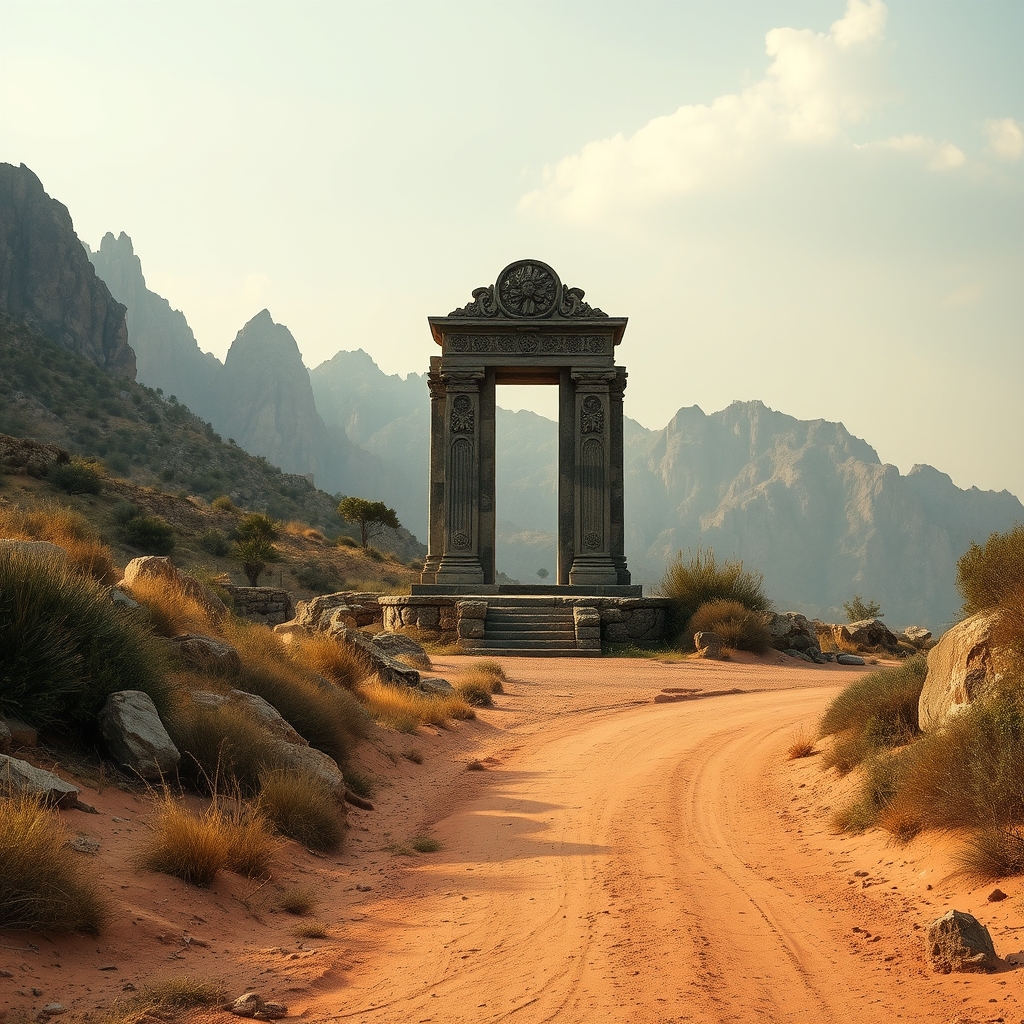
As I delve into the world of ancient trade routes, I am constantly amazed by the secrets that lie hidden beneath the surface of our collective knowledge. The Silk Road, the Incense Road, and the Amber Road are just a few examples of the extensive networks that once connected the ancient world. These pathways, forged by merchants, travelers, and explorers, played a crucial role in shaping the course of human history. Yet, despite their significance, many of these routes remain shrouded in mystery, waiting to be uncovered by intrepid historians and archaeologists.
The study of ancient trade routes is a complex and multidisciplinary field, drawing on insights from history, archaeology, anthropology, and economics. By examining the movement of goods, ideas, and cultures along these routes, researchers can gain a deeper understanding of the social, political, and economic dynamics that drove the development of ancient civilizations. From the exchange of luxury goods like silk, spices, and precious metals to the spread of technologies, languages, and belief systems, the impact of these trade networks was far-reaching and profound.
Uncovering the Secrets of the Silk Road
The Silk Road, one of the most famous ancient trade routes, stretched over 4,000 miles from China to the Mediterranean, passing through present-day India, Pakistan, Afghanistan, and Iran. This vast network, established during the Han Dynasty (206 BCE - 220 CE), facilitated the exchange of goods, ideas, and cultures between East Asia, the Indian subcontinent, and the Mediterranean world. Archaeological discoveries, such as the Tarim Basin mummies and the Bactrian Gold hoard, have shed new light on the lives of the people who lived and traded along this route. The Silk Road was more than just a trade route; it was a conduit for the transmission of knowledge, technologies, and cultural practices that shaped the course of human history.
Despite its significance, the Silk Road remains somewhat of an enigma, with many of its routes, traders, and goods still unknown or poorly documented. Historians and archaeologists continue to uncover new evidence, challenging existing narratives and shedding new light on the complexities of this ancient network. The study of the Silk Road serves as a powerful reminder of the interconnectedness of human societies and the enduring legacy of ancient trade routes in shaping our modern world.
Forgotten Pathways and Hidden Histories
Beyond the Silk Road, there exist numerous other ancient trade routes that have been largely forgotten or overlooked. The Incense Road, which connected the Arabian Peninsula to the Mediterranean, played a crucial role in the trade of frankincense, myrrh, and other precious commodities. The Amber Road, which stretched from the Baltic Sea to the Mediterranean, facilitated the exchange of amber, furs, and other luxury goods. These routes, though less well-known than the Silk Road, offer a fascinating glimpse into the lives of ancient traders, merchants, and travelers who braved treacherous landscapes and uncertain markets to exchange goods and ideas.
The study of these forgotten pathways and hidden histories serves as a powerful reminder of the complexity and diversity of human experience. By uncovering the secrets of ancient trade routes, we can gain a deeper understanding of the social, cultural, and economic dynamics that shaped the course of human history. As we continue to explore and document these networks, we are reminded of the enduring legacy of ancient trade routes in shaping our modern world and the boundless possibilities that arise from the exchange of goods, ideas, and cultures.
Preserving the Legacy of Ancient Trade Routes
As we uncover the secrets of ancient trade routes, it is essential that we also take steps to preserve their legacy for future generations. This can involve supporting archaeological research and conservation efforts, promoting cultural exchange and understanding, and recognizing the significance of these routes in shaping our modern world. By working together to preserve the legacy of ancient trade routes, we can ensure that the secrets of forgotten pathways continue to inspire and educate us, offering a powerful reminder of the interconnectedness of human societies and the enduring power of trade and cultural exchange.
I explored a related angle in Forgotten Female Explorers if you want to keep pulling this thread.
In conclusion, the study of ancient trade routes offers a fascinating glimpse into the lives of our ancestors and the complex networks that shaped the course of human history. As we continue to uncover the secrets of forgotten pathways and hidden histories, we are reminded of the significance of these routes in shaping our modern world and the boundless possibilities that arise from the exchange of goods, ideas, and cultures. By exploring the secrets of ancient trade routes, we can gain a deeper understanding of ourselves and our place in the world, and we can work to preserve the legacy of these networks for future generations.