Forgotten Libraries of the Past
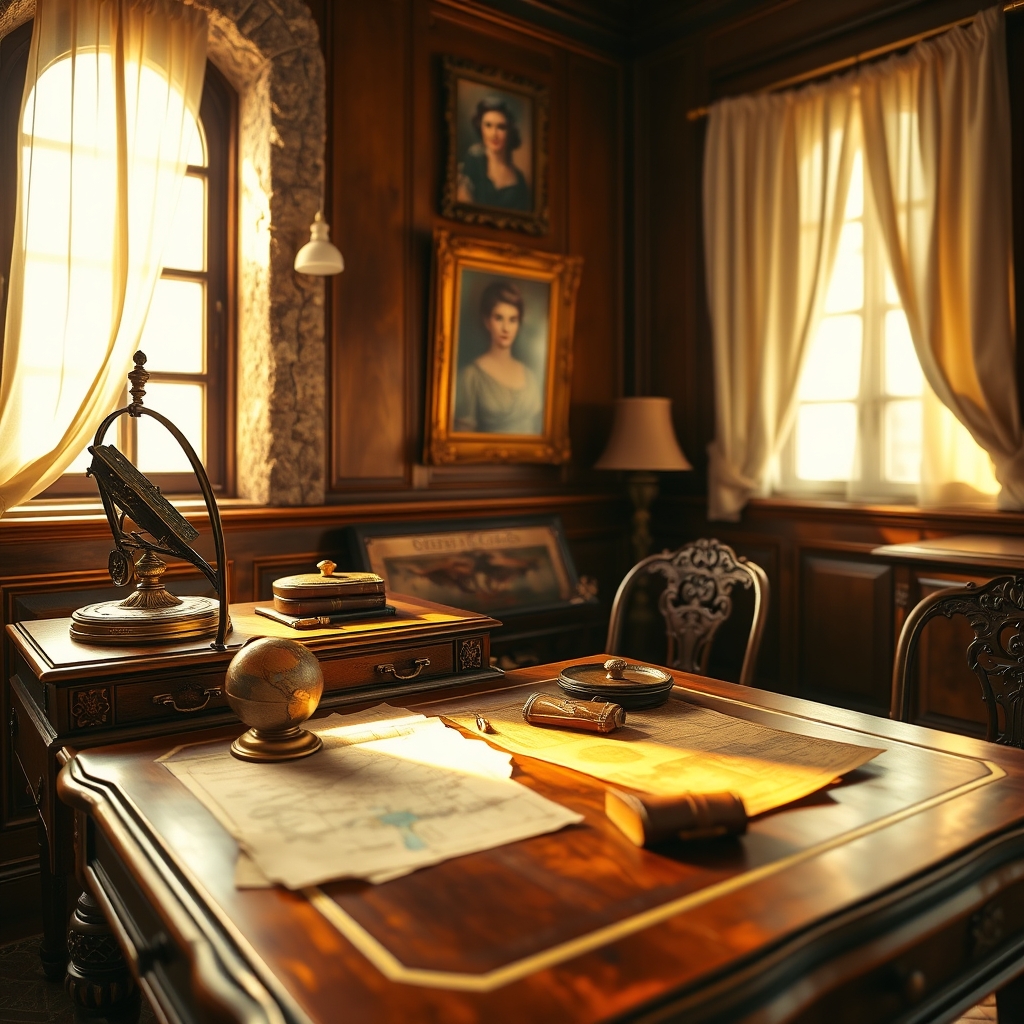
I've always been fascinated by the idea of uncovering hidden archives, and one of the most intriguing aspects of this is the forgotten libraries of the past. These libraries, often hidden away in dusty corners of history, hold the keys to understanding the culture, knowledge, and values of bygone eras. As I delved deeper into the world of forgotten libraries, I began to realize just how much we can learn from these treasures of the past. From the ancient Library of Ashurbanipal to the modern libraries of the 20th century, each one has its own unique story to tell and secrets to reveal.
Ancient Repositories of Knowledge
The Library of Ashurbanipal, founded in the 7th century BC, is one of the most famous examples of a forgotten library. Located in Nineveh, Assyria, this library was a treasure trove of clay tablets containing texts on various subjects, including literature, business, and science. The library was discovered in the 19th century, and its contents have been instrumental in helping us understand the culture and way of life of the ancient Assyrians. Another example is the Library of Alexandria, which was one of the largest and most significant libraries of the ancient world. Founded in the 3rd century BC, it was a major center of learning and scholarship, attracting scholars and intellectuals from all over the Mediterranean.
These ancient libraries were not just repositories of knowledge; they were also symbols of power and wealth. The rulers who built them wanted to demonstrate their commitment to learning and culture, and the libraries became a reflection of their prestige and status. As I explored the history of these libraries, I began to appreciate the importance of preserving our cultural heritage and the role that libraries play in this process. By studying the forgotten libraries of the past, we can gain a deeper understanding of the values and beliefs of previous generations and how they have shaped our world today.
Medieval and Renaissance Libraries
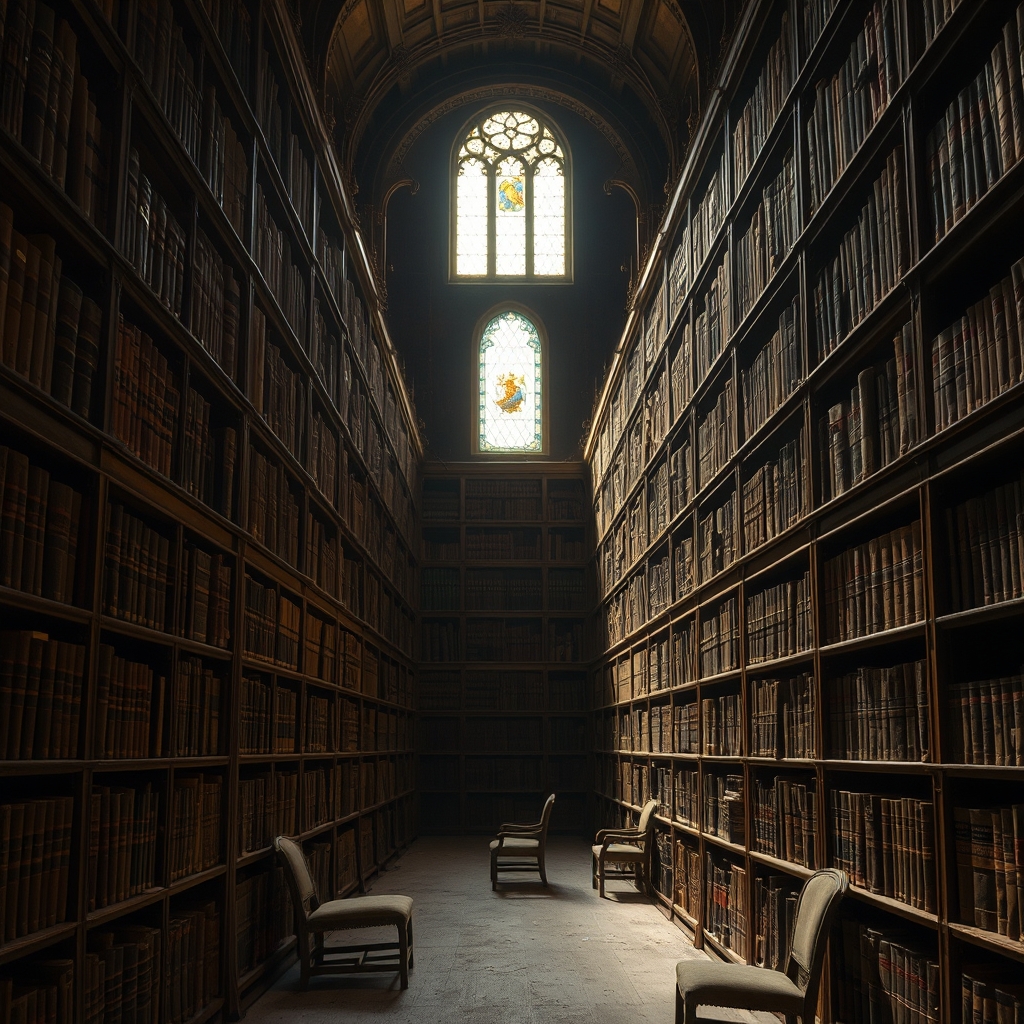
The medieval period saw the rise of monastic libraries, which played a crucial role in preserving classical knowledge and promoting learning. These libraries were often located within monasteries and were accessible only to the monks and scholars who lived and worked there. The scripts and manuscripts produced in these libraries are some of the most beautiful and intricate examples of medieval art, and they continue to inspire wonder and awe in people today. The Renaissance saw a resurgence of interest in classical learning, and libraries became an essential part of this movement. The Laurentian Library in Florence, founded in the 15th century, is a stunning example of Renaissance architecture and design, with its elegant reading room and beautifully decorated manuscripts.
As I explored the medieval and Renaissance libraries, I was struck by the sheer beauty and craftsmanship of the books and manuscripts that they contained. The illuminated manuscripts, with their intricate borders and illustrations, are a testament to the skill and artistry of the scribes and artists who created them. These libraries were not just repositories of knowledge; they were also works of art in their own right, reflecting the aesthetic values and sensibilities of the time. By studying these libraries, we can gain a deeper appreciation for the cultural and artistic achievements of the past and how they continue to influence us today.
Modern Libraries and the Digital Age
In the modern era, libraries have continued to evolve and adapt to changing technologies and societal needs. The 20th century saw the rise of public libraries, which made books and other resources available to people of all ages and backgrounds. The digital age has brought new challenges and opportunities for libraries, as they struggle to balance traditional collections with digital resources and online platforms. Despite these challenges, libraries remain essential institutions in our society, providing access to information, promoting literacy and education, and fostering community and social connection.
As I reflect on the forgotten libraries of the past, I am reminded of the importance of preserving our cultural heritage and promoting learning and education. These libraries may be forgotten, but they are not lost, and their legacy continues to inspire and inform us today. By uncovering hidden archives and exploring the history of libraries, we can gain a deeper understanding of ourselves and our place in the world. We can also appreciate the beauty and significance of these institutions, which have played such a vital role in shaping our culture and society. As we move forward in the digital age, it is essential that we continue to value and support our libraries, ensuring that they remain vibrant and relevant for generations to come.
I explored a related angle in Unveiling the Secrets of the Silk Road if you want to keep pulling this thread.
In conclusion, the forgotten libraries of the past are a treasure trove of knowledge, culture, and beauty, waiting to be uncovered and explored. By delving into their history and significance, we can gain a deeper appreciation for the importance of preserving our cultural heritage and promoting learning and education. As we continue to navigate the challenges and opportunities of the digital age, it is essential that we remember the legacy of these libraries and the role they have played in shaping our world. By doing so, we can ensure that the forgotten libraries of the past remain a vital part of our collective memory and continue to inspire and inform us for generations to come.