Unveiling the Secrets of the Silk Road
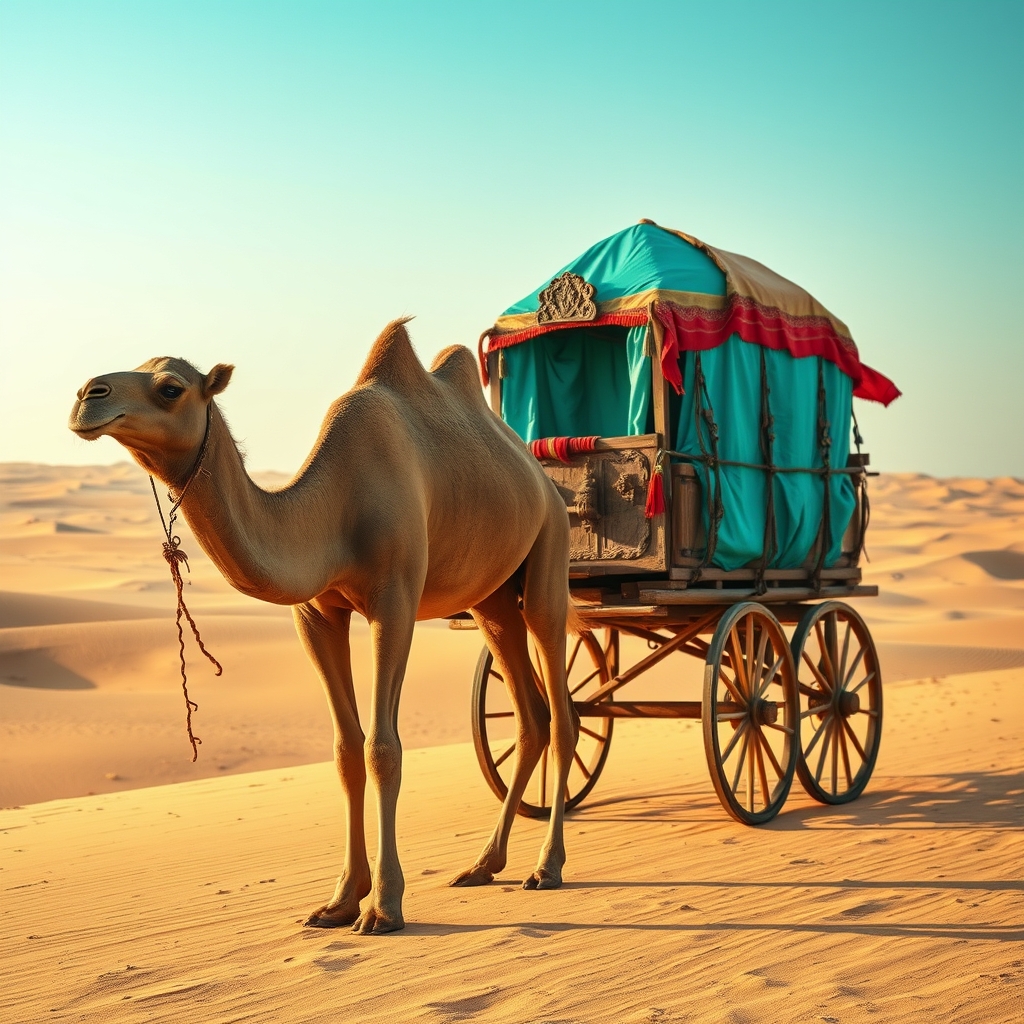
As I delve into the history of the Silk Road, I am constantly amazed by the sheer scale and complexity of this ancient trade route. Stretching over 4,000 miles, the Silk Road connected the East and West, facilitating the exchange of goods, ideas, and cultures between China, India, Persia, and the Mediterranean. For centuries, merchants, travelers, and explorers traversed this vast network, leaving behind a rich legacy of stories, traditions, and artifacts. In this blog post, I will take you on a journey along the Silk Road, uncovering its secrets and exploring the significant impact it had on the development of human civilization.
Origins and Expansion
The Silk Road originated during the Han Dynasty (206 BCE - 220 CE), when Chinese emperors sought to establish trade relationships with neighboring countries. Initially, the route was used to exchange silk, tea, and other luxury goods for gold, silver, and precious stones. As the route expanded, it became a conduit for the spread of Buddhism, Christianity, and Islam, with missionaries and pilgrims traveling along the Silk Road to disseminate their faiths. The route also facilitated the exchange of scientific and technological knowledge, with innovations like paper, gunpowder, and the compass being transmitted from China to the West.
The Silk Road was not a single, fixed route, but rather a network of roads, trails, and sea routes that evolved over time. It spanned across mountains, deserts, and rivers, passing through modern-day China, India, Pakistan, Afghanistan, Iran, Turkey, and the Middle East. The route was treacherous, with merchants and travelers facing numerous challenges, including bandits, harsh weather conditions, and diseases. Despite these risks, the Silk Road remained a vital artery of trade and cultural exchange, with caravansaries, markets, and cities springing up along the way to cater to the needs of travelers.
Cultural Exchange and Legacy
The Silk Road was a melting pot of cultures, with people from diverse backgrounds interacting, influencing, and learning from each other. The route facilitated the transmission of art, architecture, music, and literature, with Buddhist monks, Muslim scholars, and Christian missionaries contributing to the rich cultural heritage of the regions they traversed. The Silk Road also played a significant role in the development of cuisine, with the introduction of new ingredients, spices, and cooking techniques. From the spicy curries of India to the fragrant kebabs of Persia, the culinary legacy of the Silk Road continues to delight our senses today.
The Silk Road's impact on the development of human civilization cannot be overstated. It facilitated the growth of cities, the emergence of new technologies, and the spread of ideas that shaped the course of history. The route also played a significant role in the formation of modern nation-states, with the exchange of goods, ideas, and cultures contributing to the development of distinct national identities. As we reflect on the secrets of the Silk Road, we are reminded of the power of cultural exchange and the importance of preserving our shared heritage for future generations.
Unveiling the Secrets of the Silk Road Today
Today, the Silk Road remains a source of fascination, with historians, archaeologists, and travelers seeking to uncover its secrets and experience its magic. From the ancient city of Samarkand to the vibrant markets of Istanbul, the Silk Road's legacy can be seen in the stunning architecture, vibrant cultures, and warm hospitality of the regions it touched. As we explore the Silk Road, we are reminded of the importance of cultural exchange, the power of human curiosity, and the enduring legacy of this ancient trade route. Whether you are a history buff, a cultural enthusiast, or simply a curious traveler, the Silk Road has something to offer, inviting you to embark on a journey of discovery and exploration that will leave you in awe of the secrets it holds.
I explored a related angle in The Lost City of Petra if you want to keep pulling this thread.
In conclusion, the Silk Road was a complex and multifaceted phenomenon that shaped the course of human history. Its legacy can be seen in the stunning architecture, vibrant cultures, and rich traditions of the regions it touched. As we continue to explore and learn from the Silk Road, we are reminded of the importance of cultural exchange, the power of human curiosity, and the enduring impact of this ancient trade route on our modern world. So come and join me on this journey along the Silk Road, and let us uncover its secrets together, exploring the fascinating history, vibrant cultures, and stunning landscapes that make this ancient trade route so unique and captivating.