Flavors of Foraging
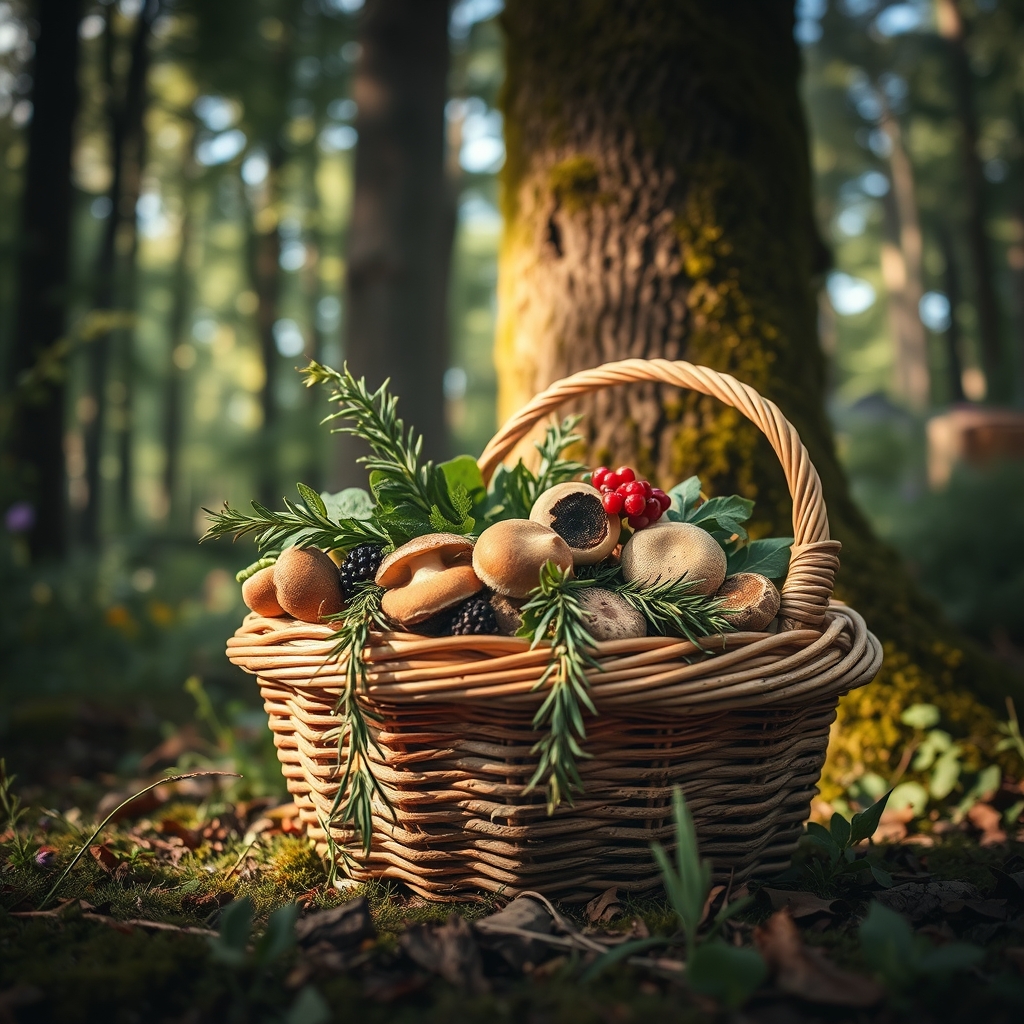
As I step into the woods, the scent of wild garlic and the earthy smell of damp soil hit me, and I know I'm in for a treat. Foraging for wild food is not just about finding ingredients, it's about connecting with nature and discovering the hidden flavors that surround us. From the tangy taste of wild berries to the rich flavor of mushrooms, the world of foraging is a culinary paradise waiting to be explored. I've spent years honing my skills, learning what to look for, and how to identify the edible gems that grow in the wild. And let me tell you, it's a game-changer for any food lover.
One of the most exciting things about foraging is the thrill of the hunt. You never know what you're going to find, and that's all part of the fun. Will you stumble upon a hidden patch of wild asparagus, or maybe a tree laden with juicy apples? The possibilities are endless, and the sense of satisfaction you get from finding something delicious in the wild is hard to beat. Of course, it's not just about the thrill of the hunt – it's also about the flavors you discover. Wild food has a depth and complexity that's hard to find in store-bought ingredients, and it's amazing how much of a difference it can make in your cooking.
The Art of Identification
Before you can start foraging, you need to know what you're looking for. This is where the art of identification comes in – it's a crucial part of foraging, and one that requires patience, practice, and a keen eye for detail. You need to be able to tell the difference between edible plants and those that are poisonous, and that's not always easy. I've spent hours poring over field guides, talking to experienced foragers, and practicing my identification skills in the field. It's not something you can learn overnight, but with time and effort, you can become proficient in identifying the wild foods that grow in your area.
One of the most important things to remember when it comes to identification is to be cautious. If in doubt, don't eat it – it's always better to err on the side of caution when it comes to wild food. There are some plants that can be toxic, even deadly, so it's crucial to know what you're dealing with. That being said, with the right knowledge and skills, you can unlock a whole new world of flavors and ingredients. From the spicy kick of wild mustard to the sweet, floral taste of elderflowers, the possibilities are endless, and it's amazing how much of a difference it can make in your cooking.
Cooking with Wild Ingredients
Once you've foraged for your ingredients, it's time to get cooking. This is where the real fun begins – taking the wild foods you've found and turning them into delicious meals. I love experimenting with new recipes and techniques, and foraging has opened up a whole new world of possibilities for me. From wild garlic pesto to roasted dandelion roots, the flavors and ingredients are endless, and it's amazing how much of a difference it can make in your cooking. One of my favorite things to make is a wild mushroom risotto – the earthy flavor of the mushrooms pairs perfectly with the creamy rice, and it's a dish that never fails to impress.
Cooking with wild ingredients requires a bit of creativity and flexibility – you need to be able to think on your feet and adapt to what you've found. But that's all part of the fun, and it's amazing how much of a difference it can make in your cooking. When you're working with wild ingredients, you need to be prepared for the unexpected – a batch of wild berries might be more tart than you expected, or a patch of wild herbs might be more potent than you anticipated. But that's all part of the challenge, and it's what makes cooking with wild ingredients so rewarding.
Preserving the Harvest
One of the best things about foraging is that it's not just a seasonal activity – with the right techniques, you can enjoy your wild foods all year round. Preserving the harvest is an art that's been passed down through generations, and it's a crucial part of foraging. From freezing and canning to dehydrating and pickling, there are countless ways to preserve your wild ingredients, and it's amazing how much of a difference it can make in your cooking. I love making wild jam from the berries I've foraged – it's a delicious way to enjoy the flavors of the wild all year round, and it makes a great gift for friends and family.
I explored a related angle in Saffron Threads: Unraveling the Mystery of Paella if you want to keep pulling this thread.
Preserving the harvest is not just about extending the shelf life of your ingredients – it's also about capturing the flavors and essence of the wild. When you preserve your wild foods, you're able to enjoy them at their best, even when they're out of season. And it's not just about the practicalities – preserving the harvest is also a way to connect with the natural world and appreciate the beauty of the wild. Whether you're making wild jam, pickling wild vegetables, or freezing wild herbs, you're able to enjoy the flavors and ingredients of the wild all year round, and that's a truly special thing.