Saffron Threads: Unraveling the Mystery of Paella
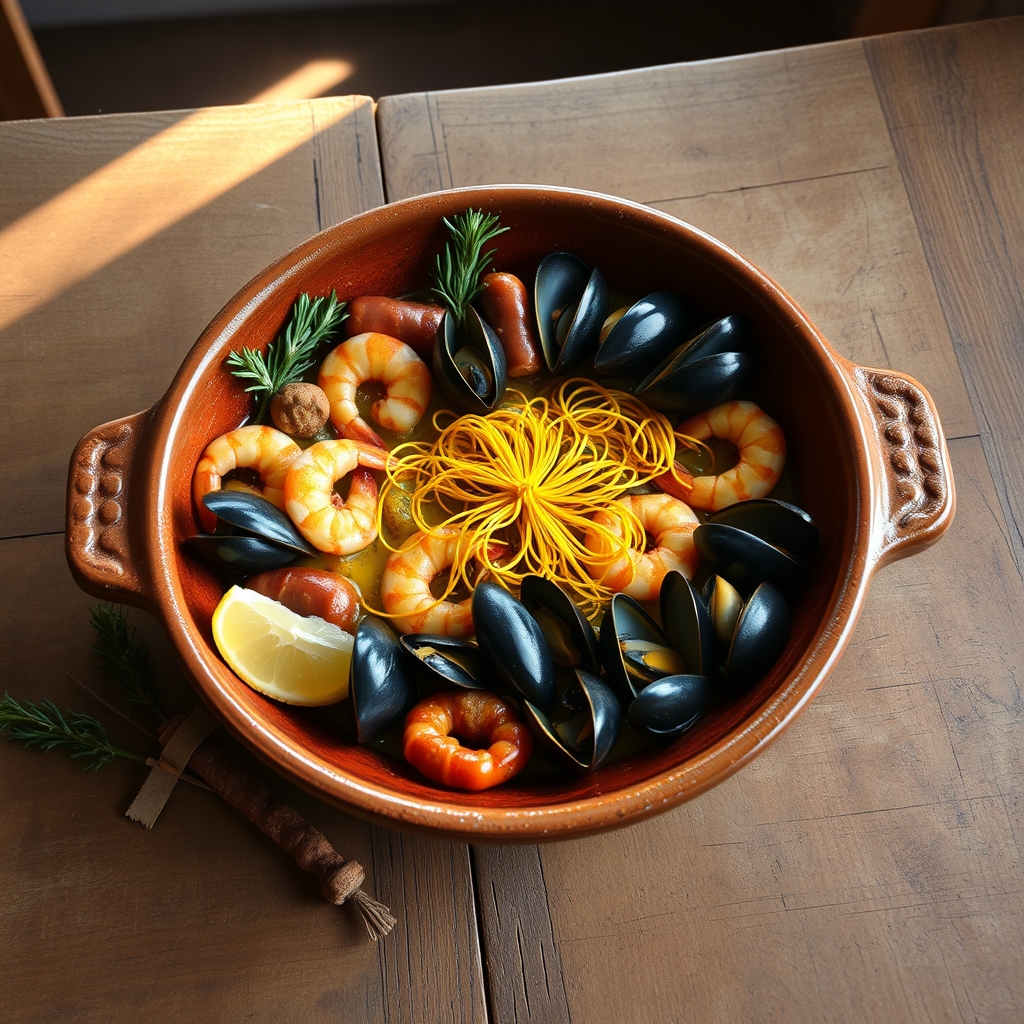
I still remember the first time I had authentic paella - the smoky aroma, the burst of flavors, and the vibrant colors all combined to create an unforgettable experience. As I delved deeper into the world of Spanish cuisine, I became fascinated with the intricacies of this iconic dish. Paella, often regarded as Spain's national culinary treasure, has a rich history and cultural significance that spans centuries. In this article, I will unravel the mystery of paella, exploring its origins, evolution, and the secrets behind its unique flavor profile.
The Origins of Paella
Paella originated in the Valencia region of Spain, where it was traditionally cooked by farmers and laborers over open fires. The name "paella" is derived from the Latin word "patella," meaning frying pan, which refers to the shallow, wide pan used to cook the dish. The original paella was a humble meal made with locally sourced ingredients, including rice, vegetables, and whatever protein was available. Over time, paella spread throughout Spain, with different regions adapting the recipe to incorporate their unique ingredients and cooking techniques.
One of the most interesting aspects of paella's history is its evolution from a simple, peasant dish to a sophisticated, iconic culinary experience. As Spanish cuisine gained popularity worldwide, paella became a symbol of Spanish culture and hospitality. Today, paella is enjoyed not only in Spain but also in many countries around the world, with various adaptations and interpretations of the traditional recipe.
The Art of Cooking Paella
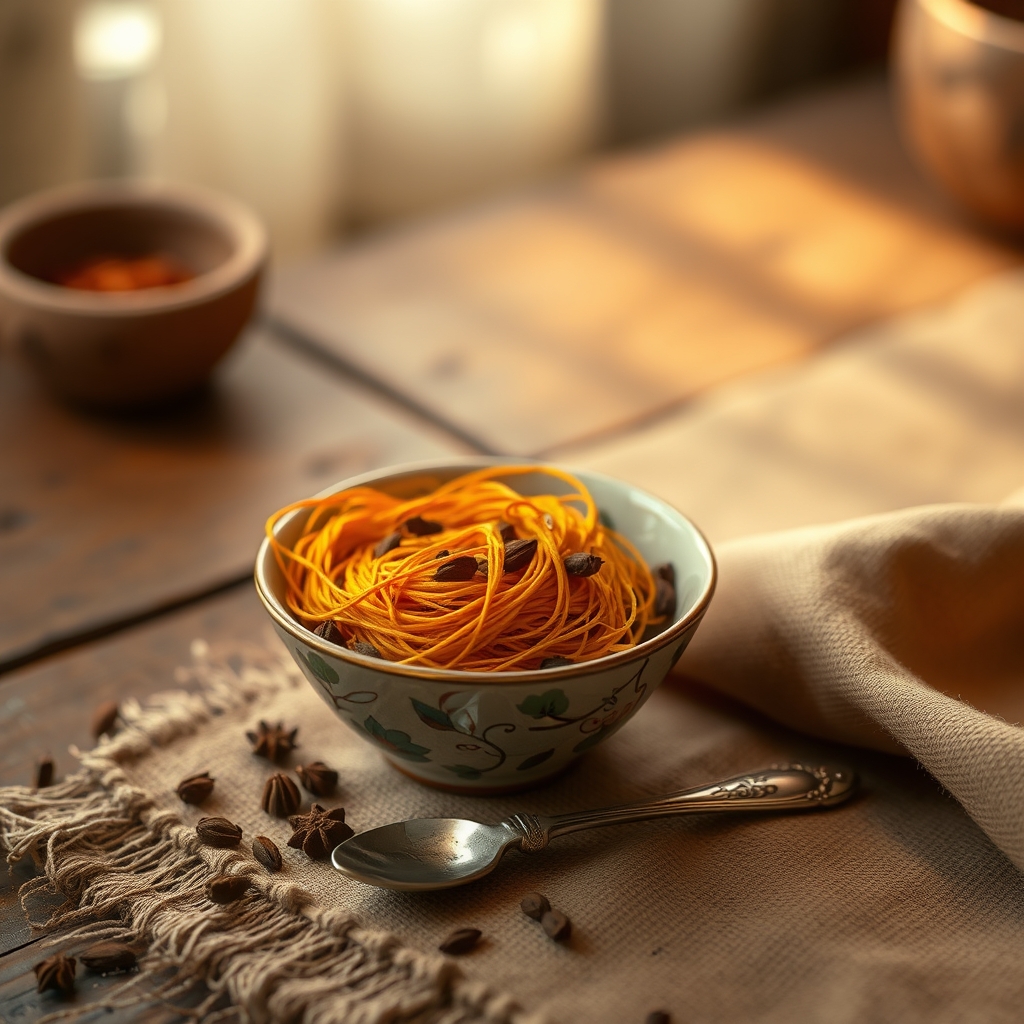
Cooking paella is an art that requires patience, skill, and attention to detail. The process begins with the selection of high-quality ingredients, including short-grain rice, saffron threads, and a variety of vegetables and proteins. The rice, in particular, is crucial to the success of the dish, as it must be able to absorb the flavors of the other ingredients while maintaining its texture and structure. Saffron, with its distinctive yellow-orange color and subtle earthy flavor, is the most expensive and coveted ingredient in paella, adding a unique dimension to the dish.
The cooking process itself is a delicate balance of heat, moisture, and timing. The paella pan is heated over an open flame, and the ingredients are added in a specific order to create a harmonious balance of flavors and textures. The rice is cooked until it is tender and slightly crispy at the bottom, creating a crunchy crust called the "socarrat." This crust is the hallmark of a well-cooked paella, and it requires great skill and experience to achieve.
Unraveling the Secrets of Paella
So, what makes paella so unique and captivating? The answer lies in the combination of ingredients, cooking techniques, and cultural traditions that have evolved over centuries. The saffron threads, with their subtle earthy flavor and vibrant color, are the essence of paella, adding a depth and complexity to the dish that is hard to replicate. The smoky aroma of the open flame, the sizzle of the ingredients as they hit the hot pan, and the lively atmosphere of a traditional paella gathering all contribute to the magic of this iconic dish.
As I continue to explore the world of paella, I am constantly amazed by the diversity and richness of this culinary tradition. From the classic Valencian recipe to the modern adaptations and innovations, paella remains a dish that is deeply rooted in Spanish culture and history. Whether you are a seasoned foodie or just discovering the joys of paella, this iconic dish is sure to captivate and inspire, with its unique blend of flavors, textures, and traditions.
I explored a related angle in Flavors of Forgotten Italy if you want to keep pulling this thread.
In conclusion, paella is more than just a dish - it is a cultural phenomenon that has captured the hearts and imaginations of people around the world. As we unravel the mystery of paella, we discover a rich tapestry of history, tradition, and culinary innovation that continues to evolve and inspire. Whether you are cooking paella at home or experiencing it in a traditional Spanish setting, this iconic dish is sure to leave a lasting impression, with its unique flavors, aromas, and cultural significance.