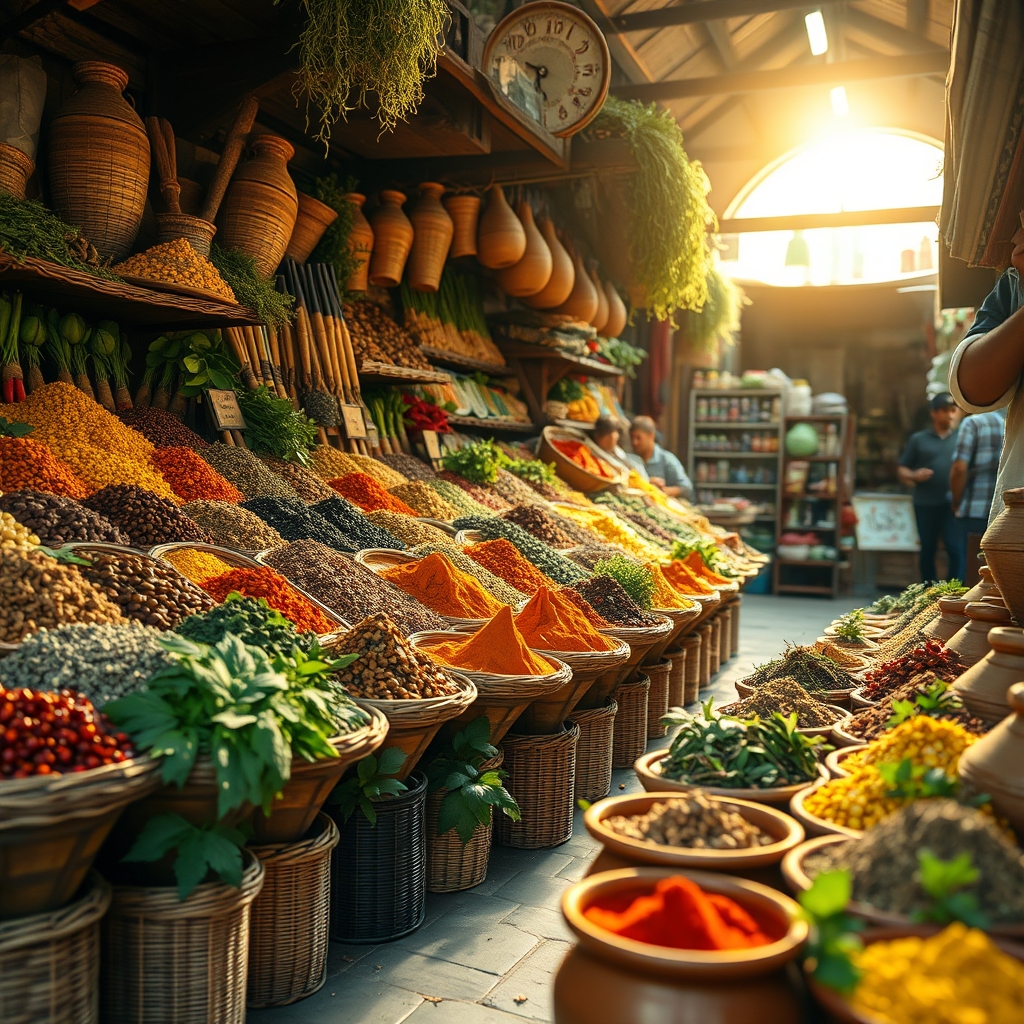
Why Umami Was Hiding in Plain Sight Until Science Caught Up
This post contains affiliate links. If you purchase through them, I may earn a small commission at no extra cost to you.
The short answer: Umami—the savory fifth taste—was discovered and used by Asian cultures for centuries through fermented foods like soy sauce and miso, but Western science didn't chemically identify and validate it until 1908 when Japanese chemist Kikunae Ikeda isolated glutamate.
What exactly is umami and why was it so hard to identify?
Umami is a savory taste triggered by glutamates and nucleotides like inosinate and guanylate, making it fundamentally different from sweet, salty, sour, or bitter—but it was invisible to Western palates and science because it doesn't announce itself the way sugar or salt do. Unlike the other four tastes, umami is subtle, lingering, and mouth-coating rather than immediately obvious. It doesn't jolt your taste buds; it seduces them. This made it easy to overlook, especially in cultures that hadn't developed the fermented foods that concentrate umami flavors.
Western food science operated under the assumption that there were only four basic tastes for over a century. Salty, sweet, sour, and bitter fit neatly into anatomical categories and could be demonstrated easily. Umami, by contrast, felt vague. If you asked a person to describe what they tasted in a perfectly aged Parmesan cheese or a bowl of dashi broth, they'd struggle. It wasn't sweet. It wasn't salty, though salt was often present. It was... satisfying. Mouth-filling. Meaty. Delicious. These are not scientific terms, which is precisely why Western chemists missed what Asian cooks had quietly mastered.
The real problem was cultural: Western cuisine simply hadn't developed the ingredient base that would make umami undeniable. Coffee and spices came late to Europe, and fermented pastes and sauces weren't staples of Italian or French kitchens the way they were in China, Japan, Korea, and Southeast Asia. You can eat a lifetime of European classical cuisine without ever concentrating umami the way a cook naturally does when making miso or aged soy sauce.
How did Asian cultures discover umami without understanding the chemistry?
Asian cultures discovered umami through centuries of fermentation—a process that breaks down proteins into free glutamates—and recognized it as a desirable flavor principle worth pursuing, even without knowing why it worked. This is how practical knowledge often precedes scientific knowledge: by trial and error, tradition, and an attentive palate.
Soy sauce production in China dates back at least 2,500 years. The process is simple but transformative: soy beans are fermented with salt and a mold called Aspergillus for months or years. During fermentation, proteins break down into amino acids, including glutamate. The result is a deeply savory liquid that makes food taste more like itself—more delicious, more complex, more satisfying. The same principle applies to miso in Japan, fermented fish sauces across Southeast Asia, and aged cheeses throughout Europe (though European cheesemakers didn't have a word for what they were creating).
Chinese cooks knew that a splash of soy sauce improved almost any dish. Japanese cooks understood that dashi—a broth made from kombu seaweed and dried bonito fish, both loaded with umami compounds—was the foundation of their cuisine. Korean cooks built their pantry around fermented pastes and sauces. These weren't accidents or superstitions; they were sophisticated applications of a taste principle that worked, even if the science remained invisible.
Interestingly, fermentation was also central to other civilizations, including the production of beer and bread in Europe and the Middle East. But those cultures never concentrated umami the way Asian fermentation practices did, perhaps because they were focused on preservation and alcohol production rather than flavor extraction.
What changed when Kikunae Ikeda identified glutamate in 1908?
When Japanese chemist Kikunae Ikeda analyzed kombu seaweed and identified free glutamate as the source of umami taste, he provided the scientific proof that validated what Asian palates had known for centuries and opened the door to umami becoming a global culinary principle.
Ikeda's discovery was elegantly simple. He boiled kombu seaweed and concentrated the broth, then isolated the compound responsible for its savory character. He named this taste "umami," which translates roughly to "pleasant savory taste" or "deliciousness" in Japanese. Ikeda wasn't inventing a new taste; he was naming and proving one that already existed in the foods his culture had been using for generations.
But here's where it gets interesting: Western science largely ignored Ikeda's work for decades. His paper was published in Japanese and didn't gain widespread international attention until the 1970s and 1980s, when Japanese food culture began gaining prestige in the West and researchers began testing umami systematically. It wasn't until 1985 that an international symposium on umami was held, and 2000 before the scientific consensus fully accepted umami as a legitimate fifth taste.
This 90-year gap reveals something important about how knowledge travels: scientific validation doesn't happen in a vacuum. It requires cultural momentum, institutional support, and the right audience ready to listen. Japan's rising economic influence in the late 20th century finally gave Ikeda's research the platform it deserved.
Why did Western food science take so long to validate umami?
Western science was locked into a four-taste model and lacked the cultural and culinary reference points to recognize umami because European cuisines had developed differently, with less emphasis on fermented pastes and aged broths that concentrate glutamates.
There's also a linguistic and cultural element at play. If you don't have a word for something, it's easier to ignore. English speakers had "savory," but it was vague and could apply to salt, herbs, or almost anything not sweet. Japanese had "umami"—a specific, named taste. When you name something, it becomes real in a way it wasn't before.
Additionally, the scientific establishment of the early 20th century was centered in Europe and North America, where classical training emphasized four tastes. It's easier to dismiss something that doesn't fit your established framework than to question the framework itself. This is a recurring pattern in science: paradigms persist even when evidence suggests otherwise.
The irony is that umami compounds were hiding in Western foods all along. Aged Parmigiano-Reggiano, ripe tomatoes, mushrooms, beef stock, Worcestershire sauce—all contain significant glutamates. Western cooks had been using umami intuitively without naming it. Once scientists proved it existed, Western chefs could finally articulate what they'd always known: these ingredients make food taste better.
How is umami used in cooking today?
Modern chefs and food scientists intentionally layer umami-rich ingredients to enhance flavor depth, using techniques like fermentation, aging, reduction, and ingredient pairing that concentrate or complement glutamates and related compounds.
Today, umami is no longer a hidden fifth taste—it's a recognized culinary tool. Chefs understand that combining umami sources (tomato sauce plus aged cheese, or mushrooms plus soy sauce) creates a synergistic effect where the savory impact is greater than the sum of its parts. This principle applies across every cuisine: Italian pasta with Parmesan, French beef bourguignon with mushrooms, Thai curries with shrimp paste.
Food scientists have even created umami as an additive: monosodium glutamate (MSG), which Ikeda himself helped develop. MSG was long demonized in Western culture through the "Chinese restaurant syndrome" myth, but scientific evidence has thoroughly debunked any genuine health concerns. MSG is simply a concentrated form of glutamate, no different in kind from what's naturally present in tomatoes or cheese.
If you want to deepen your understanding of how taste, chemistry, and cooking intersect, books like Salt Fat Acid Heat and The Food Lab provide excellent explorations of how scientific knowledge can enhance culinary practice.
Key Definitions
- Umami
- The fifth basic taste, characterized by a savory, mouth-filling sensation triggered by glutamates and nucleotides. The word comes from Japanese and means "pleasant savory taste" or "deliciousness."
- Glutamate
- An amino acid that is the primary compound responsible for umami taste. It occurs naturally in aged and fermented foods and is also produced by the human body.
- Fermentation
- A metabolic process in which microorganisms break down proteins and carbohydrates, creating new compounds and flavors. In the context of umami, fermentation breaks down proteins into free glutamates.
- Inosinate (IMP)
- A nucleotide that, along with guanylate, contributes to umami taste. It's abundant in meat broths and dried seafood like bonito and kombu.
- Dashi
- A fundamental Japanese broth made by steeping kombu seaweed and dried bonito fish in water, creating a deeply umami-rich stock that forms the base of countless Japanese dishes.
The Bottom Line
Umami wasn't hiding in plain sight because of science—it was hidden because Western culture simply hadn't developed the foods and vocabulary to recognize it. Asian cultures had quietly mastered umami through fermentation and had been using it for thousands of years before Kikunae Ikeda proved its chemical existence in 1908. Even then, the Western scientific establishment took another century to fully accept it. Today, umami is recognized as a fundamental taste principle that applies across all cuisines, showing us that sometimes the most powerful knowledge comes not from laboratories, but from the accumulated wisdom of cultures patiently perfecting their craft.
Frequently Asked Questions
- Is MSG the same thing as umami?
- No, but they're closely related. MSG (monosodium glutamate) is a concentrated form of glutamate, which is the primary compound that triggers umami taste. MSG is a way of delivering umami in pure form, but umami exists naturally in many foods without any MSG added.
- Which foods have the most umami?
- Foods highest in glutamates and umami compounds include aged cheeses (especially Parmesan), tomatoes, mushrooms, soy sauce, miso, dashi broth, cured meats, beef stock, fermented fish sauces, and seaweed like kombu and nori.
- Why did it take so long for Western science to accept umami?
- Western science was built on a four-taste model and lacked cultural reference points, since European cuisines developed less emphasis on fermented pastes and aged broths. Additionally, Kikunae Ikeda's research was published in Japanese and didn't gain international attention until the late 20th century, when Japan's cultural influence rose globally.