Why Chocolate Took 300 Years to Become Dessert
This post contains affiliate links. If you purchase through them, I may earn a small commission at no extra cost to you.
Why Chocolate Took 300 Years to Become Dessert: How Chemistry, Capitalism, and Cultural Collision Transformed Bitter Cacao into Europe's Greatest Luxury
The short answer: Chocolate took nearly 300 years to evolve from an Aztec ceremonial drink into a European dessert because the bitter, unsweetened cacao beverage required three major innovations: the addition of sugar (16th-17th centuries), mechanical processing that made it palatable (18th century), and the invention of solid chocolate bars (19th century).
How Did Cacao Go From Aztec Ritual to European Obsession?
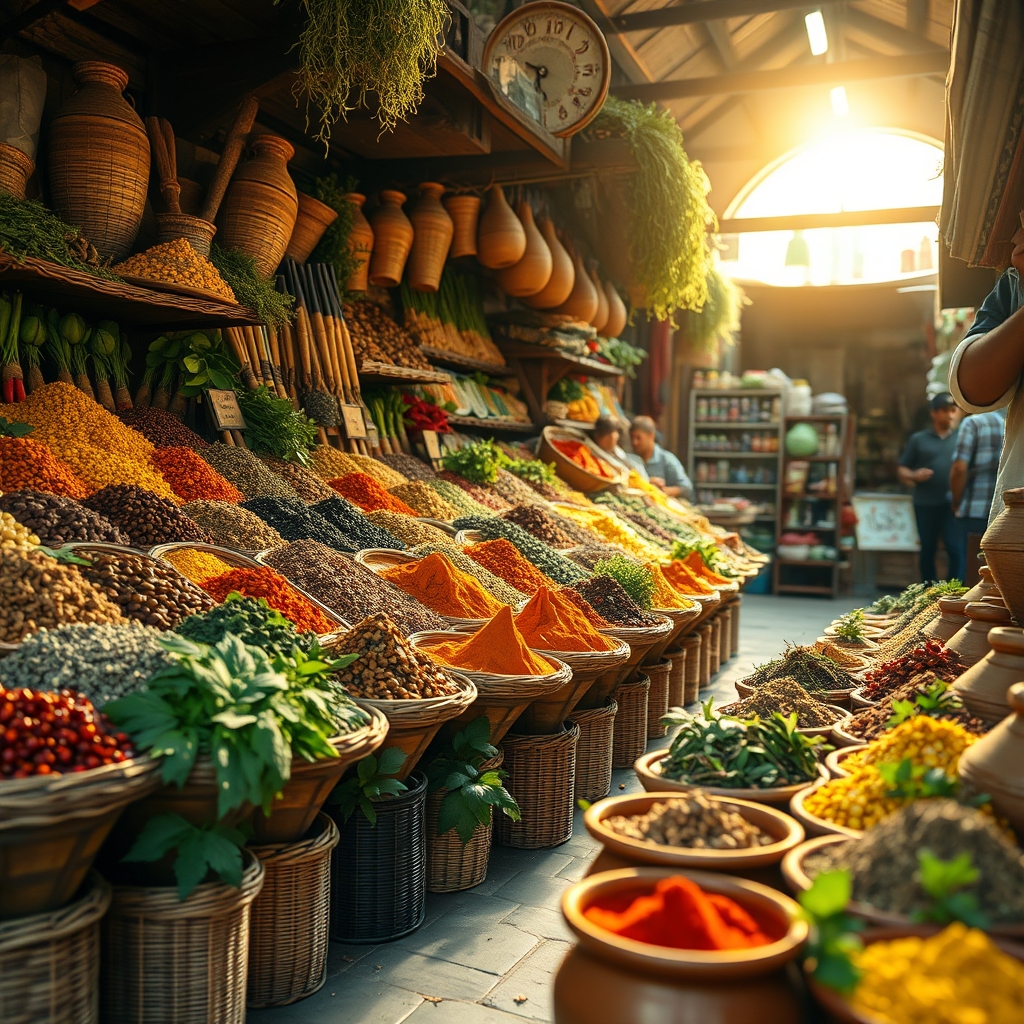
When Spanish conquistadors encountered cacao in Mexico around 1519, they found a bitter ceremonial drink that took 300 years of chemical experimentation and cultural adaptation to become the sweet dessert we know today. The Aztecs valued xocolatl—a frothy drink made from roasted, ground cacao beans mixed with water, spices, and sometimes corn—not as a treat but as a sacred beverage consumed by priests, warriors, and nobility during religious ceremonies and important rituals.
The transformation began almost immediately after Spanish contact, but not in the way we might expect. Rather than Spaniards rejecting cacao outright, they began experimenting with it almost the moment they encountered it. Spanish monks, who had access to the New World's colonial resources, started adding European ingredients: sugar (a luxury at the time), milk, vanilla, and cinnamon. These additions weren't accidental—they were deliberate attempts to make cacao palatable to European tastes, which found the Aztec preparation intensely bitter and unpleasant.
What makes this transformation fascinating is that it wasn't driven by a single innovation. Instead, it was a three-stage process involving chemistry, trade, and industrial manufacturing that unfolded over centuries.
Why Was Raw Cacao So Bitter That Europeans Avoided It?
Raw cacao beans contain naturally occurring alkaloids—primarily theobromine and caffeine—along with tannins that create an intensely bitter, astringent taste that 16th-century European palates found nearly intolerable. The Aztecs had understood this bitterness for centuries, which is partly why they reserved cacao for ceremonial purposes rather than everyday consumption.
When the first cacao shipments arrived in Spain in the 1540s, Spanish chroniclers described the drink as unappetizing and strange. But here's where economic incentive met culinary curiosity: cacao was expensive. It was rare. It was exotic. These factors made it desirable to European nobility, regardless of taste.
The solution emerged in Spanish monasteries and court kitchens: sugar. By the mid-1600s, the Spanish had perfected chocolate as a sweetened, spiced beverage—less like the Aztec xocolatl and more like a European luxury drink. Sugar masked the bitterness while cinnamon, vanilla, and other spices complemented the cacao's natural flavors. This Spanish hot chocolate became so popular among the wealthy that it remained largely a secret within Spanish borders for nearly a century, giving Spain a competitive advantage in the luxury goods market.
What Changed in the 1700s That Made Chocolate More Accessible?
The Industrial Revolution and the invention of chocolate processing machines in the 1700s made chocolate faster and cheaper to produce, transforming it from an elite luxury into a middle-class commodity. For the first 150 years of chocolate's European popularity, preparing the drink was labor-intensive. Cacao beans had to be hand-roasted, manually ground with stones, and mixed with sugar and spices by servants or skilled artisans. A single cup took significant time and effort, which meant chocolate remained the exclusive domain of aristocrats and the wealthy church.
In 1728, a Dutch merchant named Van Houten's father began experimenting with mechanical cacao grinders. But the real revolution came in 1828 when Van Houten himself invented the cocoa press—a machine that could separate cocoa butter from the solid cacao solids. This innovation accomplished two critical things: it made the chocolate beverage smoother and more consistent, and it dramatically reduced production costs.
The cocoa press didn't just improve the drink; it democratized chocolate. Where hand-grinding might produce chocolate for dozens of cups per day, machines could now process hundreds. Chocolate moved from royal courts to wealthy merchants' homes to, eventually, middle-class families. By the 1800s, chocolate was becoming common enough that confectioners began experimenting with new forms.
When Did Chocolate Bars Get Invented, and Why Did That Matter?
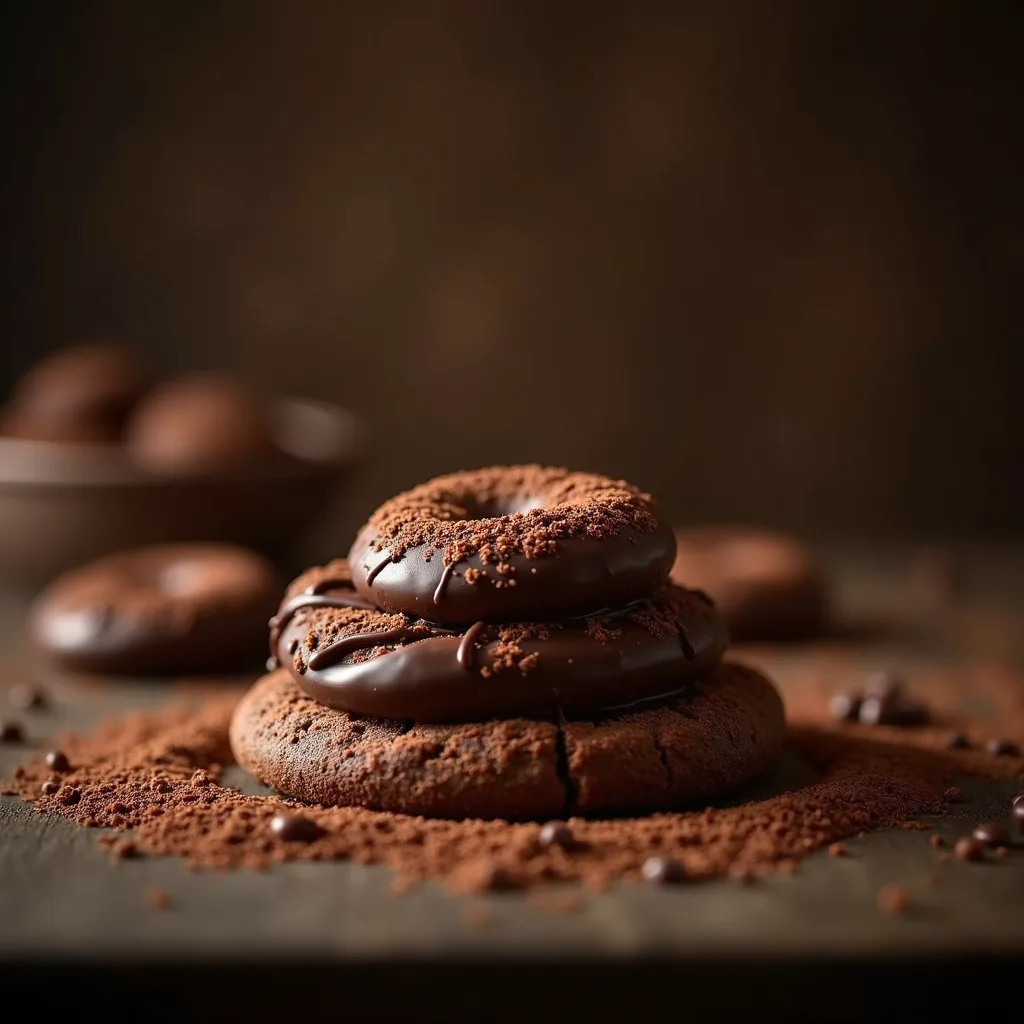
The solid chocolate bar was invented in the 1840s-1850s when confectioners combined cocoa butter, cocoa solids, and sugar into a moldable paste that could be set into bars—creating the first true "eating chocolate" rather than a beverage. This innovation was crucial because it separated chocolate from its identity as a drink and made it a portable, shelf-stable food product.
The first chocolate bar is generally credited to British confectioner J.S. Fry & Sons in 1847, who created a paste by combining cocoa powder, sugar, and cocoa butter, then pressed it into molds. Fry's Chocolate Cream was the first commercially successful eating chocolate. But the real turning point came with the invention of milk chocolate in Switzerland in 1875 by Daniel Peter, who added condensed milk to chocolate—making it sweeter, milder, and more appealing to children and those with less tolerance for the original bitter flavor.
This matters because it represents the final stage in chocolate's transformation: from ceremonial drink to luxury beverage to everyday sweet. The solid bar was revolutionary for commerce because it could be mass-produced, easily transported, and portioned into individual servings. A single chocolate bar could be manufactured in seconds and sold for pennies. Compare that to the 16th century, when a cup of chocolate required skilled labor, expensive ingredients, and took minutes to prepare.
Much like how the tomato transformed global cuisine through centuries of cultural adaptation, chocolate's journey reminds us that food revolutions rarely happen overnight. They require chemistry, economics, and a willingness to reimagine what a food could become.
Key Definitions
- Xocolatl
- The original Aztec cacao beverage made from roasted cacao beans, water, and spices like chili and corn flour, consumed primarily in ceremonial contexts by nobility and priests.
- Cocoa Press (Van Houten Press)
- An 1828 invention that mechanically separated cocoa butter from cacao solids, dramatically reducing production time and costs while improving chocolate's consistency and texture.
- Theobromine
- A naturally occurring alkaloid in cacao that contributes to chocolate's bitter taste and mild stimulant effects; chemically similar to caffeine but metabolized more slowly.
- Cocoa Butter
- The fat extracted from cacao beans that, when combined with cocoa solids and sugar, can be molded into solid forms; crucial for the invention of eating chocolate.
- Milk Chocolate
- A confection created by combining cocoa solids, cocoa butter, sugar, and milk powder or condensed milk; sweeter and milder than dark chocolate, invented in Switzerland in 1875.
How Does This Compare to Other Foods That Took Centuries to Become Cuisine Staples?
Chocolate's 300-year transformation parallels other New World crops like the tomato and potato, which took 150-200 years to become accepted, integrated, and eventually essential to European and global cuisines. The pattern is nearly universal: initial suspicion and rejection, slow adoption among the wealthy, technological innovation that reduces cost and improves accessibility, and finally, cultural integration where the food becomes so ordinary that its foreign origins are forgotten.
The difference with chocolate is that its transformation was more deliberate and documented. With tomatoes and potatoes, acceptance happened partly through necessity and famine. With chocolate, acceptance happened through clever marketing by Spanish monks and nobility, who positioned it as a status symbol. This is a crucial lesson in food history: sometimes cuisine changes not because a food is inherently superior, but because the right people—those with cultural authority—decide it's valuable.
For a deeper dive into how foods transform societies and cuisines, On Food and Cooking by Harold McGee offers exceptional historical context, as does Flavors of the Motherland by Steve Monas, which explores how cultural food traditions develop and evolve across generations.
The Bottom Line
Chocolate didn't become dessert overnight—it required 300 years of chemistry, cultural adaptation, and industrial innovation. From the Aztecs' bitter ceremonial drink to Spanish monks' sweetened luxury beverage to Van Houten's mechanized processing to the British invention of the solid chocolate bar, each stage was essential. Today, when you unwrap a chocolate bar, you're holding the result of centuries of human experimentation, capitalism, and the willingness to completely reimagine what a food could be.
Frequently Asked Questions
- Did the Aztecs ever sweeten their cacao drink?
- No. The Aztecs consumed xocolatl unsweetened, using spices like chili, vanilla, and achiote to flavor it. Sugar wasn't available in Mesoamerica before European contact. The Aztecs valued cacao's bitterness as part of its ritual significance and rarity.
- When did chocolate become affordable for ordinary people?
- Chocolate began becoming accessible to middle-class Europeans in the late 1700s and 1800s, after the cocoa press was invented (1828) and industrial manufacturing scaled up production. By the early 1900s, chocolate bars were common enough for children to purchase with pocket money.
- Why did Switzerland become famous for chocolate if cacao doesn't grow there?
- Switzerland became a chocolate powerhouse because of two innovations: Daniel Peter's invention of milk chocolate in 1875 and the development of the conche machine, which refined chocolate texture to unprecedented smoothness. Swiss chocolate makers also benefited from proximity to milk supplies and a tradition of precision manufacturing, making Switzerland ideal for chocolate production despite having no cacao plantations.