Why Butter Conquered the World While Oil Stayed Regional
This post contains affiliate links. If you purchase through them, I may earn a small commission at no extra cost to you.
The short answer: Butter conquered the world because dairy cattle thrived in northern European climates where olive trees could not, and colonial empires exported butter-making culture alongside their political power—while olive oil remained locked in Mediterranean regions where geography and trade barriers kept it locally dominant.
Why Did Butter Spread Globally While Olive Oil Stayed Regional?
Butter became a global staple because it could be produced in cold, wet climates where cattle flourished and olive trees could not survive. Olive oil's reach was limited by the narrow band of Mediterranean geography—roughly between 30 and 45 degrees latitude—where olives thrive. Butter, by contrast, required only grass, rain, and cows, ingredients abundant across Northern Europe, Russia, Scandinavia, and eventually the American colonies.
When European powers colonized the world between the 1500s and 1900s, they didn't just bring weapons and politics—they brought their food systems. The Dutch, British, and French established dairy farming in their colonies because they knew how to do it and because their cattle adapted to new climates. Butter became the fat of empire. Olive oil, meanwhile, had no colonial sponsor powerful enough to export it beyond its native Mediterranean region.
How Did Climate Create the Butter Advantage?
Climate determined which regions could produce which fat: dairy cattle need cool temperatures and abundant grasslands, while olives require Mediterranean heat and specific soil conditions.
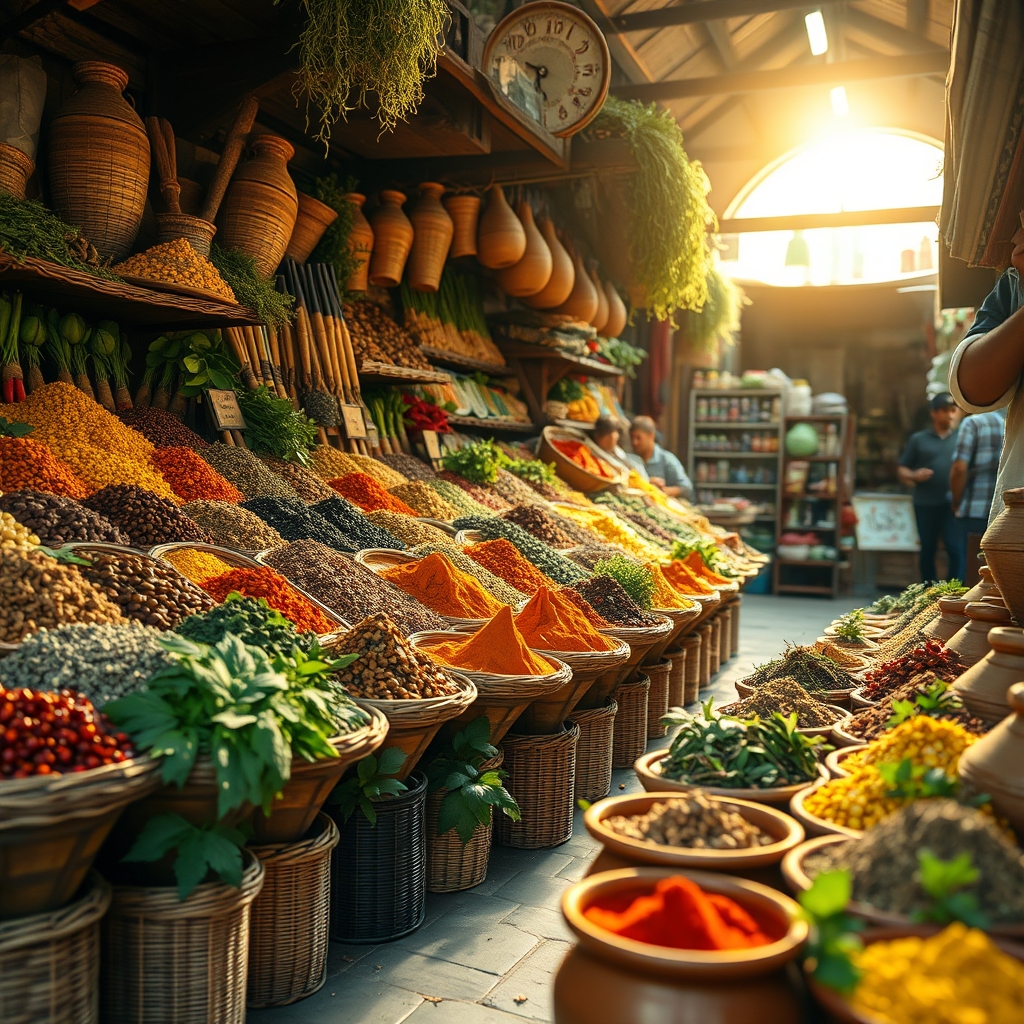
The geography of fat is written into the soil and sky. Olive trees are finicky. They need winter chilling but not frost. They demand specific soil chemistry and hundreds of hours of summer sunshine. Olives grow in a narrow geographic band—Spain, Italy, Greece, North Africa, the Levant. Move north into Germany or Scotland, and olives die. Move south into the Sahara, and they wither from heat.
Dairy cattle, by contrast, are climate flexible. They thrive on cool, wet grasslands. Northern Europe's abundant rain and temperate seasons created ideal conditions for cattle herds. The cooler climates that made olive farming impossible were exactly the conditions that made dairy farming thrive. A Scottish hillside could never grow olives but could support hundreds of cows.
This climate divide created what we might call the "fat geography" of the world: regions naturally suited to butter production versus regions locked into oil production. But geography alone doesn't determine global dominance. Politics did.
What Role Did Colonial Power Play in Spreading Butter?
European colonial empires actively exported butter-making technology and cultural preference to their colonies, making butter the global standard for cooking and preservation.
Between 1600 and 1900, the British Empire controlled a quarter of the world's land. The Dutch dominated global trade. The French had influence across Africa and Asia. All these powers came from butter cultures. They didn't just conquer territory—they transplanted their food systems.
The British introduced dairy cattle to India, Australia, New Zealand, and North America. The Dutch brought cattle to Indonesia and South Africa. The French expanded dairy farming across Algeria and West Africa. These weren't accidental; they were deliberate agricultural policies designed to feed colonizers and create profitable exports.
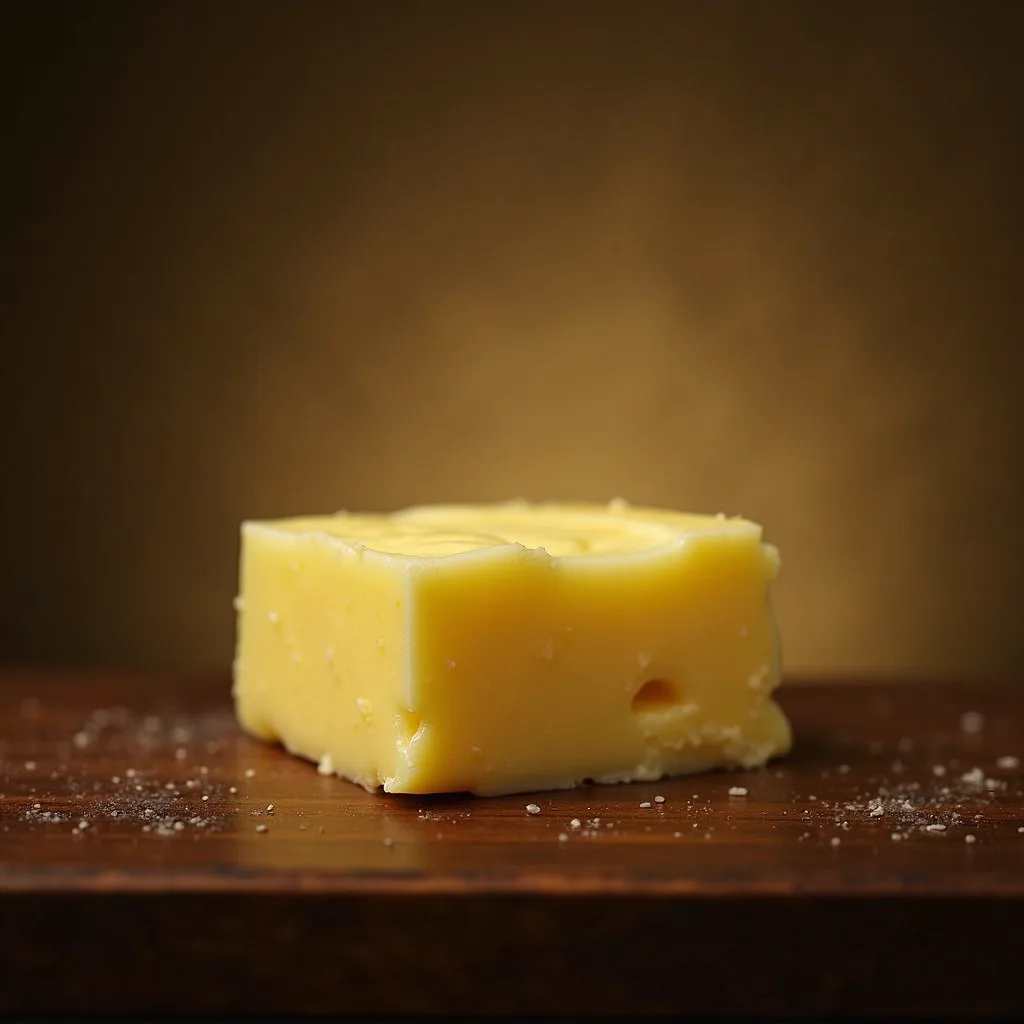
Butter had another advantage that oil lacked: it could be preserved and shipped. Before mechanical refrigeration, butter could be salted and transported across oceans. Olive oil oxidizes and goes rancid during long voyages. Butter stayed edible. This made butter tradeable on imperial routes while olive oil remained stuck in its producing regions.
Meanwhile, olive oil had no equivalent colonial power behind it. Ottoman control of Mediterranean trade routes fragmented olive oil production. Italy and Spain were secondary powers compared to Britain and France. No Ottoman or Italian colonial empire forcefully exported olive oil culture the way Britain exported butter. Olive oil stayed where it grew.
How Did Industrialization Lock In Butter's Dominance?
The Industrial Revolution mechanized butter production in northern Europe and North America, creating economies of scale that made butter cheaper and more accessible than olive oil.
The 19th century saw the rise of industrial dairy. Denmark developed butter cooperatives. New Zealand created massive dairy export industries. The United States industrialized cheese and butter production. Mechanical separators, refrigeration, and standardized production made butter cheaper and more consistent than ever before.
By 1900, butter was being mass-produced in factories and exported globally. It was affordable. It had consistent quality. It fit into industrialized food systems. Olive oil, still largely produced by small Mediterranean farmers using traditional methods, couldn't compete on price or scale.
This is a pattern worth understanding beyond just fat: whoever industrializes a food system first often dominates it globally. Why Chocolate Took 300 Years to Become Food (And What That Reveals About Innovation) follows a similar arc—industrialization transformed a luxury into a global commodity. Butter followed the same path.
When Did Oil Start Challenging Butter's Dominance?
Olive oil only began its global expansion in the late 20th century, when Mediterranean countries joined the European Union and modern marketing reframed oil as a luxury health product rather than a regional commodity.
For most of recorded history, olive oil was trapped. In 1950, most people outside the Mediterranean had never tasted it. Even in America in 1970, olive oil was found mainly in Italian and Greek immigrant communities. It was expensive, hard to find, and had no marketing budget behind it.
Everything changed in the 1980s and 1990s. Spain and Italy joined the European Union, gaining market access. The Mediterranean Diet became fashionable among American elites. Spanish and Italian companies began aggressive marketing campaigns. Food writers and chefs celebrated olive oil as a sophisticated, healthy alternative to butter.
Most importantly, olive oil's regional limitation was reframed as a selling point. Instead of being "just oil from one region," it became "authentic Mediterranean gold." Scarcity became cachet. By 2000, American grocery stores carried dozens of olive oil varieties. By 2020, olive oil consumption in the United States had grown exponentially.
But even with this expansion, butter remains globally dominant. Olive oil is still more expensive, still more associated with specific cuisines, still more regional in production. Butter's 500-year head start created structural advantages that one generation of marketing cannot undo. As the saying goes, Why We Cook What Our Mothers Cooked—and our mothers cooked with butter.
Key Definitions
- Terroir
- The collection of environmental factors—climate, soil, geography—that determine what crops can be grown in a region. Olive oil has distinct terroir requirements; butter's main requirement is dairy cattle.
- Commodity Spread
- How widely a food product is distributed and adopted across different regions and cultures. Butter achieved global commodity spread; olive oil remained regional until recently.
- Colonial Food System
- The deliberate transplantation of food crops, animals, and production methods from a colonizing power to its colonies, used to feed colonizers and create profitable exports.
- Food Preservation
- Methods that allow food to remain edible during storage and transport. Salted butter could survive long sea voyages; olive oil became rancid during extended travel.
What Can We Learn From This Fat History?
The butter-versus-oil story is bigger than just food. It's about how geography, power, and technology shape what the entire world eats. It's a reminder that global dominance isn't always about being better—it's about climate fit, institutional power, and timing.
For writers exploring food culture, On Food and Cooking remains the definitive reference, offering the scientific and historical depth behind how foods conquered the world. Steve Monas's Flavors of the Motherland traces similar patterns of how cultural food traditions reflect deeper historical currents.
The lesson: never underestimate how physical constraints shape human civilization. The reason you grew up cooking with butter while your neighbor in Provence grew up with oil isn't because one is superior. It's because your ancestors lived where cows thrived and theirs lived where olives grew. Geography isn't destiny, but it's a hell of a head start.
The Bottom Line
Butter conquered the world because it could be produced in cold climates where olive trees couldn't grow, because European colonial powers systematically exported butter-making culture, and because industrial mechanization made butter cheaper than traditional olive oil could ever be. Olive oil only began challenging butter's dominance in the late 20th century, when Mediterranean countries gained market access and rebranded oil as a luxury product. The story of butter and oil is ultimately a story about climate, empire, and industrial power—not taste.
Frequently Asked Questions
- Why can't olive trees grow in Northern Europe?
- Olive trees require a Mediterranean climate with mild winters (no hard frost), specific soil conditions, and sustained summer heat. Northern Europe's cold winters and cloudy summers make olive cultivation impossible. The trees simply won't survive or produce fruit in these conditions.
- When did olive oil start becoming popular outside the Mediterranean?
- Olive oil remained regional until the 1980s-1990s, when Spain and Italy joined the European Union, gained market access, and launched marketing campaigns promoting olive oil as a health product. Before 1980, most non-Mediterranean populations had never tasted it.
- Is butter really more shelf-stable than olive oil?
- Yes. Salted butter can remain edible for months without refrigeration and survives long ocean voyages. Olive oil oxidizes and becomes rancid during extended storage and transport, making it unsuitable for long-distance trade before modern refrigeration existed.