Unveiling the Secrets of the Terracotta Army
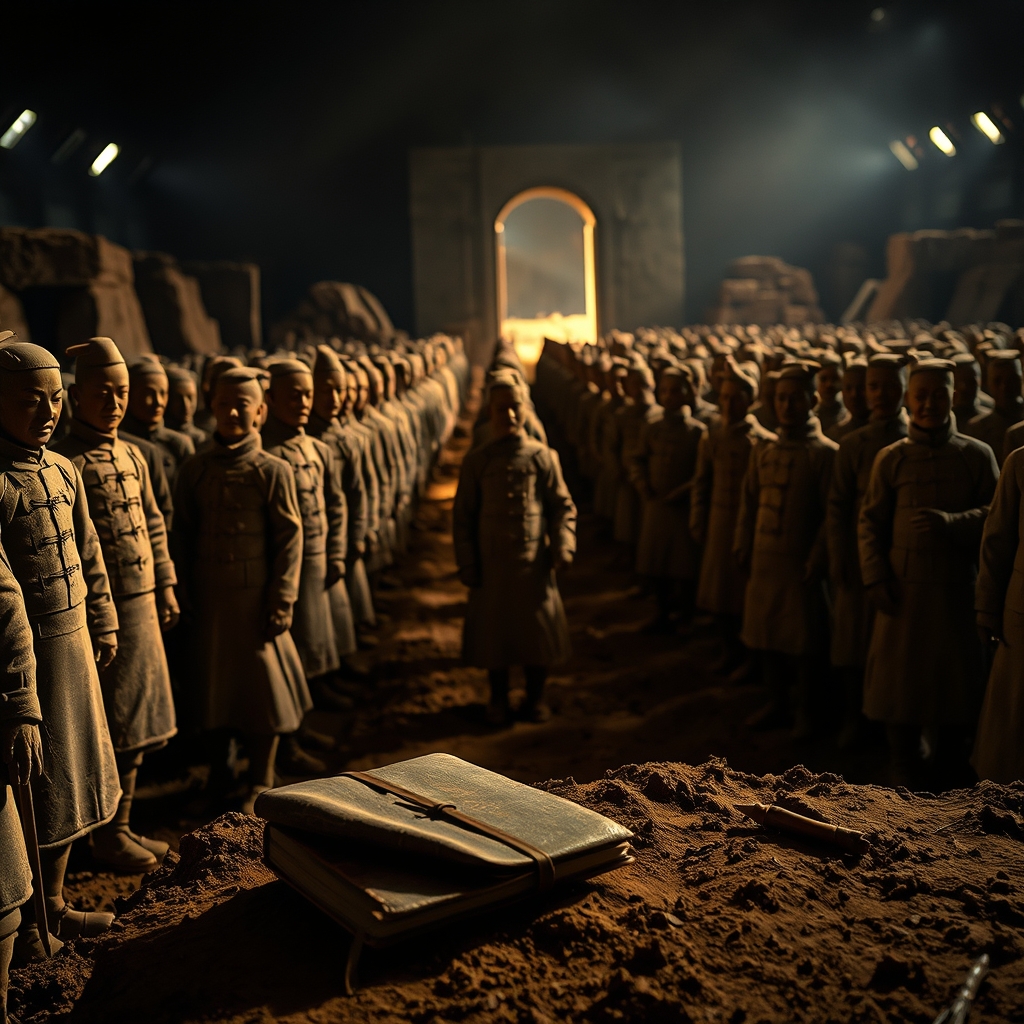
I still remember the first time I laid eyes on the Terracotta Army - I was in awe of the sheer scale and intricacy of the ancient warriors. As I walked through the excavation site, I couldn't help but feel a sense of reverence for the craftsmen who created these life-sized soldiers over 2,000 years ago. The Terracotta Army is one of China's most famous archaeological discoveries, and for good reason - it's a testament to the ingenuity and artistry of the Qin dynasty. In this blog post, I'll delve into the history and secrets of the Terracotta Army, and explore what makes it such an fascinating piece of history.
History of the Terracotta Army
The Terracotta Army was created to protect the first emperor of China, Qin Shi Huang, in the afterlife. According to legend, the emperor was obsessed with achieving immortality, and he believed that the army would help him maintain power and control in the afterlife. The construction of the army is estimated to have taken over 36 years, with thousands of workers laboring to create the over 8,000 soldiers, 130 chariots, and 670 horses. Each soldier is unique, with different facial expressions and clothing, and they are arranged in military formation, ready to defend the emperor's tomb. The level of detail and craftsmanship that went into creating the Terracotta Army is truly remarkable, and it's a testament to the advanced engineering and artistic skills of the Qin dynasty.
One of the most interesting aspects of the Terracotta Army is the way it was discovered. In 1974, a group of farmers stumbled upon a terracotta head while digging a well in Xi'an, China. As archaeologists began to excavate the site, they realized the magnitude of their discovery - the Terracotta Army is one of the largest and most well-preserved collections of ancient artifacts in the world. Today, the Terracotta Army is a UNESCO World Heritage Site, and it attracts millions of visitors each year. Despite its popularity, however, the Terracotta Army remains somewhat of an enigma - many of its secrets remain buried, and archaeologists continue to uncover new insights into the history and construction of the army.
Uncovering the Secrets of the Terracotta Army
So, what secrets have archaeologists uncovered about the Terracotta Army? For starters, the army is incredibly well-preserved, considering it's over 2,000 years old. The soldiers were created using a combination of local clay and other materials, and they were fired in kilns to create a hard, durable surface. The level of detail on each soldier is remarkable - they have intricate clothing, armor, and even facial expressions. Archaeologists have also discovered that the soldiers were arranged in a specific military formation, with different types of soldiers and chariots placed in strategic positions. This suggests that the army was designed to be a realistic representation of the Qin dynasty's military might, rather than simply a collection of decorative statues.
Another fascinating aspect of the Terracotta Army is the way it reflects the social and cultural values of the Qin dynasty. The army is a testament to the emperor's power and wealth, and it showcases the advanced engineering and artistic skills of the time. At the same time, however, the army also reflects the brutal and authoritarian nature of the Qin dynasty - the thousands of workers who created the army were likely laboring under harsh conditions, and the emperor's obsession with immortality and power is a reminder of the darker aspects of ancient Chinese history. As we continue to learn more about the Terracotta Army, we are also gaining a deeper understanding of the complex and often contradictory nature of ancient Chinese culture.
Preserving the Terracotta Army for Future Generations
Today, the Terracotta Army is considered one of China's most precious cultural treasures, and it's protected by a team of archaeologists, conservators, and museum professionals. The army is housed in a large museum complex in Xi'an, where visitors can view the soldiers and learn about their history and significance. However, preserving the Terracotta Army is an ongoing challenge - the soldiers are fragile and susceptible to damage, and they require careful conservation and maintenance to ensure their longevity. As we look to the future, it's clear that the Terracotta Army will remain an important part of China's cultural heritage, and a testament to the ingenuity and artistry of the Qin dynasty.
I explored a related angle in Uncovering the Secrets of Samurai Honor if you want to keep pulling this thread.
In conclusion, the Terracotta Army is an awe-inspiring and fascinating piece of history that continues to capture the imagination of people around the world. As we continue to learn more about the army and its secrets, we are also gaining a deeper understanding of the complex and often contradictory nature of ancient Chinese culture. Whether you're an archaeology buff, a history enthusiast, or simply someone who appreciates the beauty and craftsmanship of ancient artifacts, the Terracotta Army is a must-see destination that is sure to leave you in awe. So why not start planning your trip to Xi'an today, and discover the secrets of the Terracotta Army for yourself?