Uncovering Hidden Histories
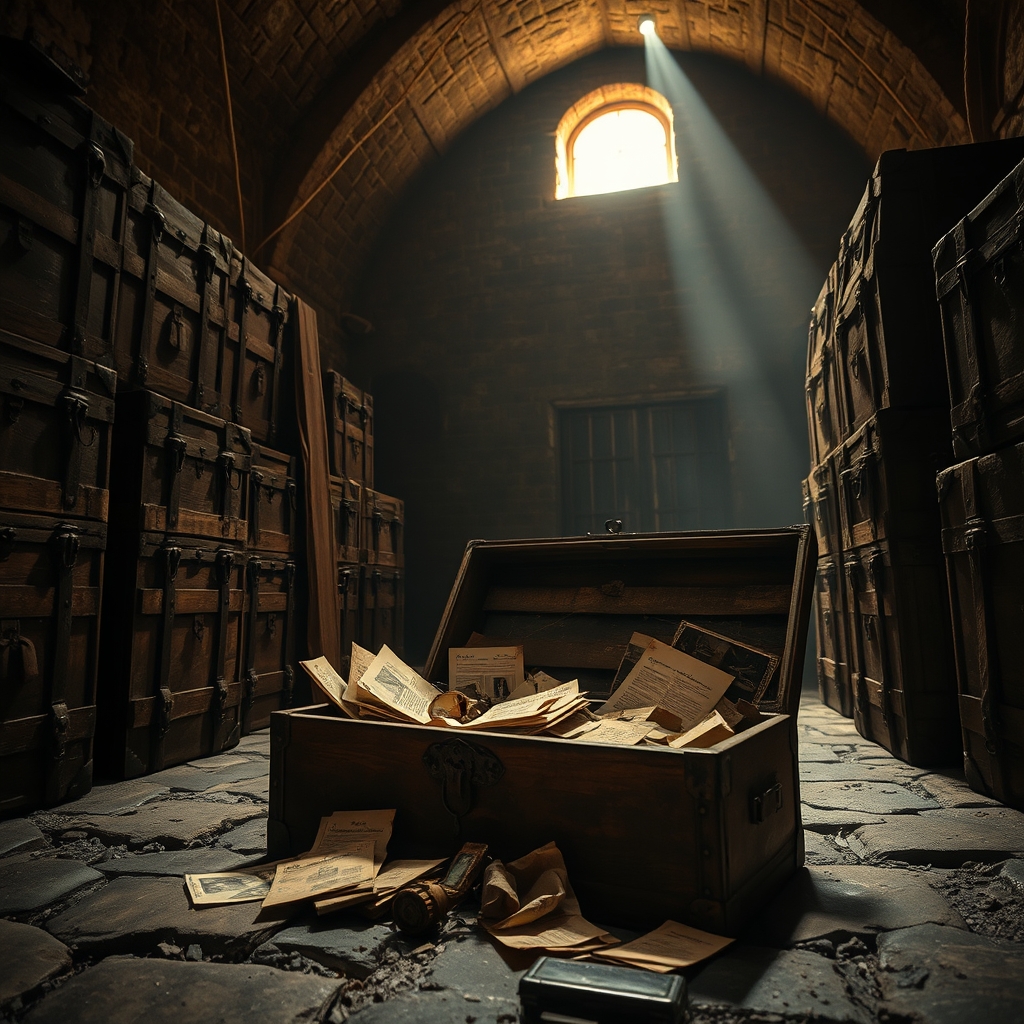
As I delve into the realm of history, I am constantly reminded that there is more to the story than what we are taught in school. The narratives that have been passed down to us are often sanitized, leaving out the complexities and nuances that make history truly fascinating. It is the forgotten stories, the ones that have been relegated to the footnotes or omitted altogether, that I find most compelling. These hidden histories have the power to challenge our assumptions, to make us question the status quo, and to reveal new insights into the human experience.
Unearthing Forgotten Voices
The process of uncovering hidden histories is not an easy one. It requires a willingness to dig deep, to sift through dusty archives and crumbling manuscripts, and to listen to the voices that have been silenced or marginalized. It is a journey that takes us down winding paths and into uncharted territories, where we may encounter unexpected surprises and challenges. But it is precisely this journey that allows us to gain a more complete understanding of the past and its ongoing impact on the present. By uncovering the stories of those who have been forgotten or overlooked, we can begin to see the world in a new light, to appreciate the diversity and complexity of human experience, and to develop a more nuanced understanding of the forces that have shaped our world.
One of the most significant challenges in uncovering hidden histories is the lack of documentation. Many of the stories that have been lost to us are those of marginalized communities, whose experiences and perspectives were not deemed worthy of recording. This means that we must often rely on fragmentary evidence, on whispers and rumors, and on the faint outlines of a narrative that has been all but erased. But even in the face of such challenges, the rewards of uncovering hidden histories are well worth the effort. By listening to the voices of those who have been silenced, we can gain a deeper understanding of the social, cultural, and economic forces that have shaped our world.
The Power of Hidden Histories
So why do hidden histories matter? Why should we care about the stories of people and events that have been forgotten or overlooked? The answer lies in the power of these stories to transform our understanding of the world and our place within it. By uncovering hidden histories, we can challenge dominant narratives and gain a more nuanced understanding of the complexities and contradictions of human experience. We can see how different cultures and communities have intersected and interacted, how they have influenced and shaped one another, and how they have contributed to the rich tapestry of human history. And we can develop a deeper appreciation for the diversity and complexity of human experience, in all its messy and multifaceted glory.
Hidden histories also have the power to inspire us, to motivate us to take action, and to challenge us to think differently about the world. By learning about the struggles and triumphs of those who have come before us, we can gain a new perspective on our own challenges and opportunities. We can see how others have navigated the complexities of their time, how they have overcome obstacles and achieved great things, and how they have left their mark on the world. And we can be inspired to do the same, to make our own mark on the world, and to leave a lasting legacy for future generations.
Preserving the Past for the Future
As we uncover hidden histories, it is also important to think about how we can preserve them for the future. This means not only documenting and recording these stories but also sharing them with others, so that they can be learned from and appreciated. It means creating museums, archives, and cultural institutions that can safeguard these stories and make them accessible to a wider audience. And it means supporting the work of historians, researchers, and storytellers who are dedicated to uncovering and preserving hidden histories. By working together to preserve the past, we can ensure that future generations will have access to the rich and diverse heritage that is our shared human experience.
I explored a related angle in Unraveling the Legacy of the Silk Road if you want to keep pulling this thread.
Ultimately, the process of uncovering hidden histories is a journey of discovery, one that requires patience, persistence, and a willingness to challenge our assumptions. It is a journey that takes us into the unknown, where we may encounter unexpected surprises and challenges. But it is also a journey that can transform our understanding of the world, inspire us to take action, and connect us with the diverse and complex heritage of human experience. As we explore forgotten stories and uncover hidden histories, we can gain a deeper appreciation for the complexities and nuances of the past, and develop a more nuanced understanding of the present and our place within it.