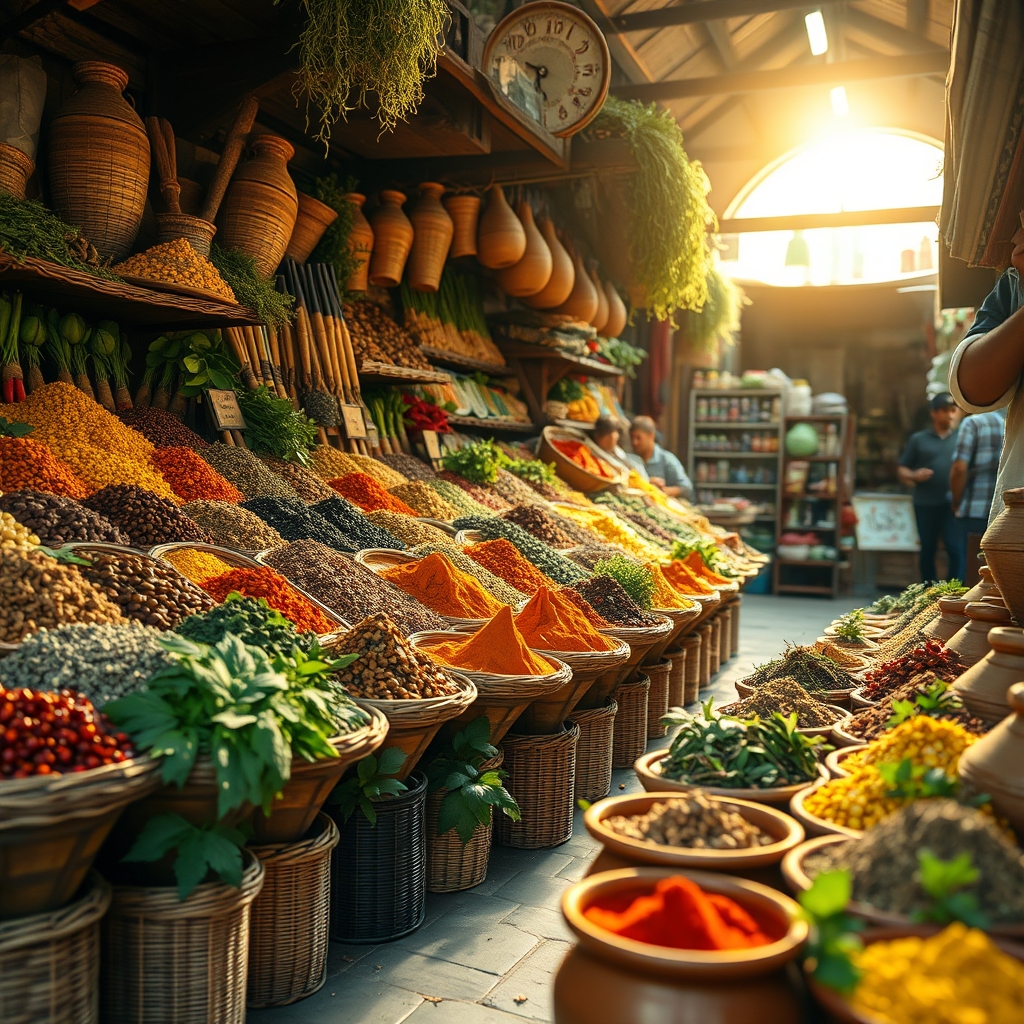
The Umami Effect: Elevating Dishes with Savory Flavors
As a chef and a food enthusiast, I've always been fascinated by the complexity of flavors that can elevate a dish from good to great. One of the most powerful and often overlooked flavor profiles is umami, the fifth taste that adds depth and richness to our culinary experiences. Umami is often referred to as the savory flavor, and it's a key component in many of the world's most iconic dishes. By understanding and harnessing the power of umami, we can unlock new levels of flavor and take our cooking to the next level.
So, what exactly is umami? The word itself is Japanese, and it roughly translates to "pleasant savory taste." Umami is caused by the presence of glutamates, which are naturally occurring amino acids found in many foods. Glutamates are particularly abundant in foods that are high in protein, such as meats, seafood, and poultry, as well as in foods that are aged or fermented, like cheeses, soy sauce, and fish sauce. When we eat foods that are rich in umami, the glutamates bind to specialized receptors on our taste buds, sending a signal to our brain that says, "This food is delicious and satisfying."
The Science of Umami
The science behind umami is fascinating, and it has a lot to do with the way our brains process flavor. When we eat, the molecules of the food we're consuming bind to receptors on our taste buds, which sends a signal to our brain that helps us identify the different flavors we're experiencing. Umami is unique in that it's not just a single flavor, but rather a combination of flavors that work together to create a rich, savory taste experience. This is because glutamates are able to bind to multiple receptors on our taste buds, creating a kind of flavor synergy that amplifies the overall taste of the food.
In addition to its role in enhancing flavor, umami also plays a key role in our emotional and psychological response to food. Foods that are high in umami are often associated with feelings of comfort and satisfaction, which is why dishes like chicken noodle soup or a rich beef stew are often referred to as "comfort foods." This is because the umami flavor helps to stimulate the release of neurotransmitters like dopamine and serotonin, which are associated with feelings of pleasure and relaxation.
Cooking with Umami
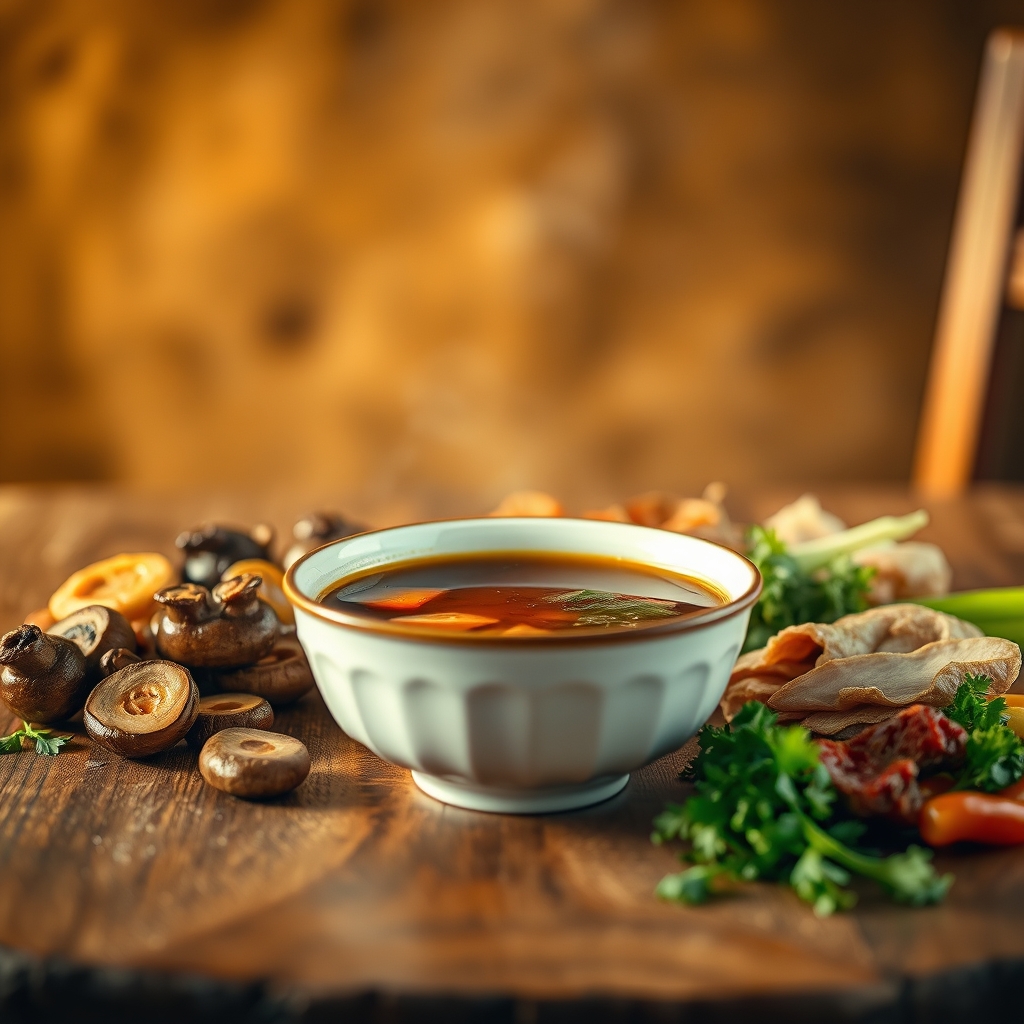
So, how can we use umami to elevate our dishes and create more complex, satisfying flavor profiles? One of the easiest ways to add umami to a dish is to use ingredients that are naturally high in glutamates, such as mushrooms, soy sauce, or fish sauce. These ingredients can be used to add depth and richness to a wide range of dishes, from soups and stews to sauces and marinades. Another way to add umami is to use cooking techniques that enhance the natural glutamates found in foods, such as caramelizing or browning. This helps to break down the proteins and release the glutamates, creating a more intense, savory flavor.
Umami can also be used to balance and enhance other flavors in a dish. For example, a splash of soy sauce or fish sauce can be used to add depth and umami to a dish that's otherwise bright and acidic, like a salad or a stir-fry. Similarly, a sprinkle of grated cheese or a spoonful of miso paste can be used to add richness and umami to a dish that's otherwise light and delicate, like a soup or a sauce. By understanding how umami works and how to use it in our cooking, we can create dishes that are more complex, more satisfying, and more delicious.
Umami in Action
One of my favorite examples of umami in action is a classic dish like beef bourguignon. This French stew is a masterclass in umami, with a rich, savory broth that's made with a combination of beef, mushrooms, and bacon. The glutamates in these ingredients work together to create a deep, satisfying flavor that's both comforting and sophisticated. Another great example is a dish like ramen, which uses a combination of pork or chicken broth, soy sauce, and miso paste to create a rich, umami-rich soup that's both nourishing and delicious.
I explored a related angle in The Art of Fermentation if you want to keep pulling this thread.
In conclusion, umami is a powerful flavor profile that can elevate our dishes and create more complex, satisfying flavor experiences. By understanding the science behind umami and how to use it in our cooking, we can unlock new levels of flavor and take our culinary skills to the next level. Whether you're a seasoned chef or a curious home cook, I encourage you to experiment with umami and see the difference it can make in your cooking. With a little practice and patience, you can harness the power of umami and create dishes that are truly unforgettable.