The Trade Route Nobody Remembers
This post contains affiliate links. If you purchase through them, I may earn a small commission at no extra cost to you.
Everyone's heard of the Silk Road. The ancient network of trade routes connecting China to the Mediterranean. Caravans carrying silk, spices, and stories across thousands of miles.
But there was another trade route. Older. Longer. More diverse.
It connected West Africa to the Mediterranean, across the Sahara Desert. It moved gold, salt, ivory, and ideas. It built empires, spread religions, and created some of the wealthiest cities the medieval world had ever seen.
And almost nobody remembers it.
The Desert Highway
The Trans-Saharan trade route wasn't a single path. It was a network of routes, each adapted to water sources, seasonal patterns, and political realities.
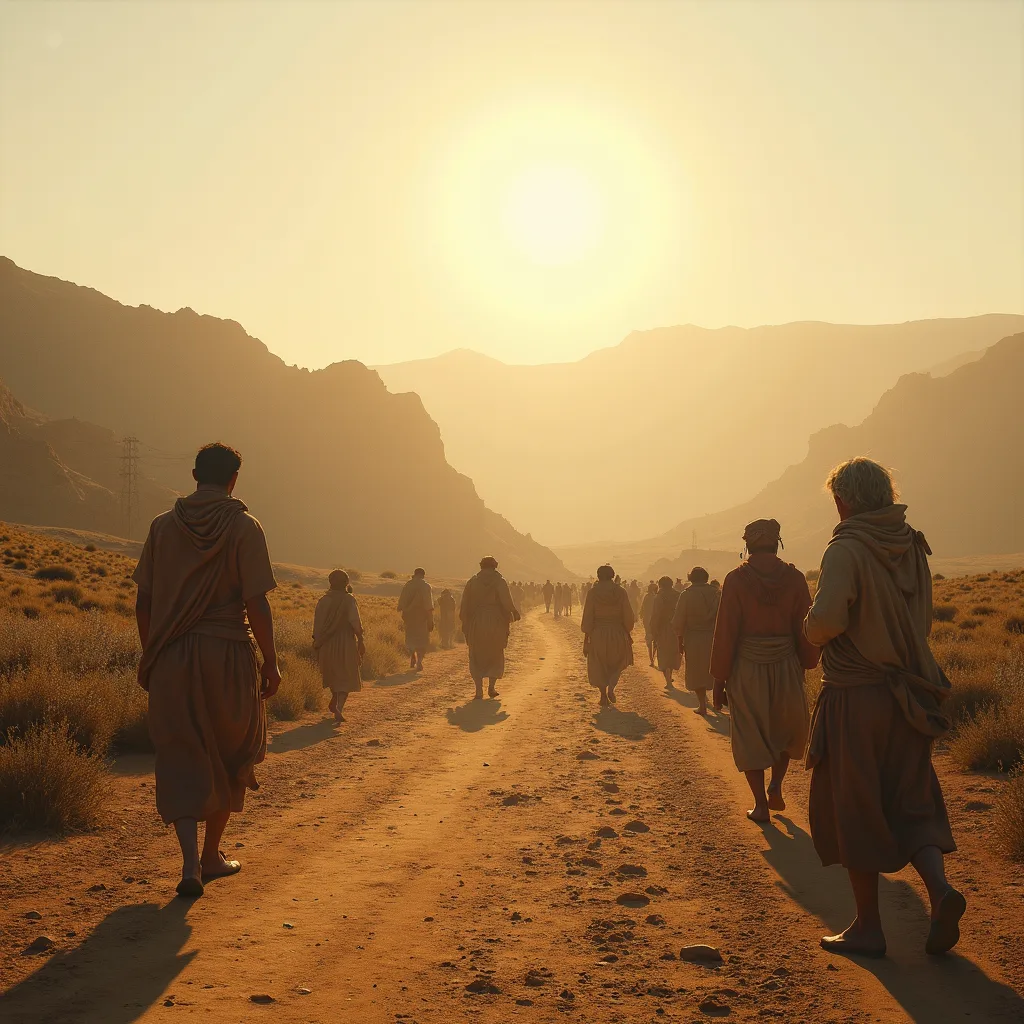
Caravans could include thousands of camels. They traveled for months across one of the harshest environments on Earth, navigating by stars and memory.
What were they carrying? Gold from West African kingdoms. Salt from Saharan mines. Ivory, slaves, leather, textiles.
And in return? Mediterranean goods. Books. Horses. Glassware. Ideas.
This wasn't occasional trade. It was systematic, professional, and incredibly lucrative.
The Gold That Built Empires
During the medieval period, West Africa controlled the world's largest gold supply. The Mali Empire alone may have controlled half of the Old World's gold.
European kingdoms needed that gold for their currency systems. Islamic caliphates needed it for trade. And West African rulers used it to build power.
Mansa Musa, the ruler of Mali in the 14th century, is often called the richest person in history. When he made a pilgrimage to Mecca in 1324, he brought so much gold that he destabilized Cairo's economy for a decade.
That wealth didn't appear out of nowhere. It was built on the Trans-Saharan trade.
The Salt Worth Its Weight in Gold
Here's something most people don't know: salt was traded at nearly the same value as gold.
Why? Because salt was essential for survival in West Africa's hot climate, and the region had almost none of it. Meanwhile, the Sahara had massive salt deposits—entire mines carved from solid salt.
Salt preserved food. It sustained livestock. It was necessary for human health.
So West African kingdoms traded gold for salt. Ounce for ounce, in some cases.
Traders made fortunes by moving salt south and gold north. The exchange rate varied by region, creating arbitrage opportunities that rival modern commodity trading.
The Cities You've Never Heard Of
Timbuktu. Djenne. Gao. These weren't backwaters. They were cosmopolitan trade hubs.
Timbuktu had universities attracting scholars from across the Islamic world. Its libraries held hundreds of thousands of manuscripts on mathematics, astronomy, medicine, law, and philosophy.
Djenne was a center of Islamic learning and architecture. Its Great Mosque, built in the 13th century, is still the largest mud-brick building in the world.
These cities were wealthy, educated, and globally connected. They traded ideas as much as goods.
But because they were African, because they used mud-brick instead of stone, because European colonizers dismissed them—they've been largely erased from popular history.
The Knowledge Exchange
The Trans-Saharan trade wasn't just about material goods. It was a highway for knowledge.
Islamic scholars traveled south, bringing books, legal systems, and architectural techniques. West African scholars traveled north and east, contributing to scientific and philosophical advancements.
Arabic became a lingua franca. Literacy spread. Universities formed.
The intellectual flowering of West Africa during this period rivaled anything happening in Europe at the same time.
But you won't find that in most history textbooks.
The Forgotten Decline
So what happened? Why did the Trans-Saharan trade fade?
Two things: European maritime exploration and the Atlantic slave trade.
When Portuguese sailors began navigating the West African coast in the 15th century, they bypassed the Sahara entirely. They could trade directly with coastal kingdoms. No desert crossing required.
And then the Atlantic slave trade exploded. The economic focus shifted from gold and salt to human cargo. West African societies were destabilized. Trade routes collapsed.
By the 19th century, the great cities of the Sahara were shadows of what they'd been. Timbuktu became a symbol of remoteness rather than sophistication.
The trade route that had sustained empires for a thousand years quietly disappeared.
Why It Was Forgotten
History is written by the powerful. And by the time Europeans began writing African history, they had an interest in portraying Africa as primitive, disconnected, and lacking in achievement.
The Trans-Saharan trade didn't fit that narrative. So it was minimized, ignored, or dismissed.
Even today, when people think of ancient global trade, they think Silk Road. Not the Sahara.
But the Saharan route was just as important. It moved just as much wealth. It connected just as many cultures.
It deserves to be remembered.
The Legacy That Remains
The Trans-Saharan trade shaped the modern world in ways we still see.
It spread Islam across West Africa, creating cultural and religious patterns that persist today.
It built the economic foundations for some of Africa's most powerful medieval states.
It created systems of trade, finance, and scholarship that influenced global commerce.
And it proved—though this shouldn't need proving—that African societies were sophisticated, connected, and central to world history long before European colonization.
The trade route may be forgotten, but its impact isn't.