The Sushi Dream That Built a Japanese Empire (And How Americans Broke It)
This post contains affiliate links. If you purchase through them, I may earn a small commission at no extra cost to you.
The short answer: Sushi didn't conquer with swords. It conquered with carbs and nitrogen itself. The global sushi empire is actually a story of how small carb-heavy snacks became a $500 billion empire that nearly destroyed itself in the process. •
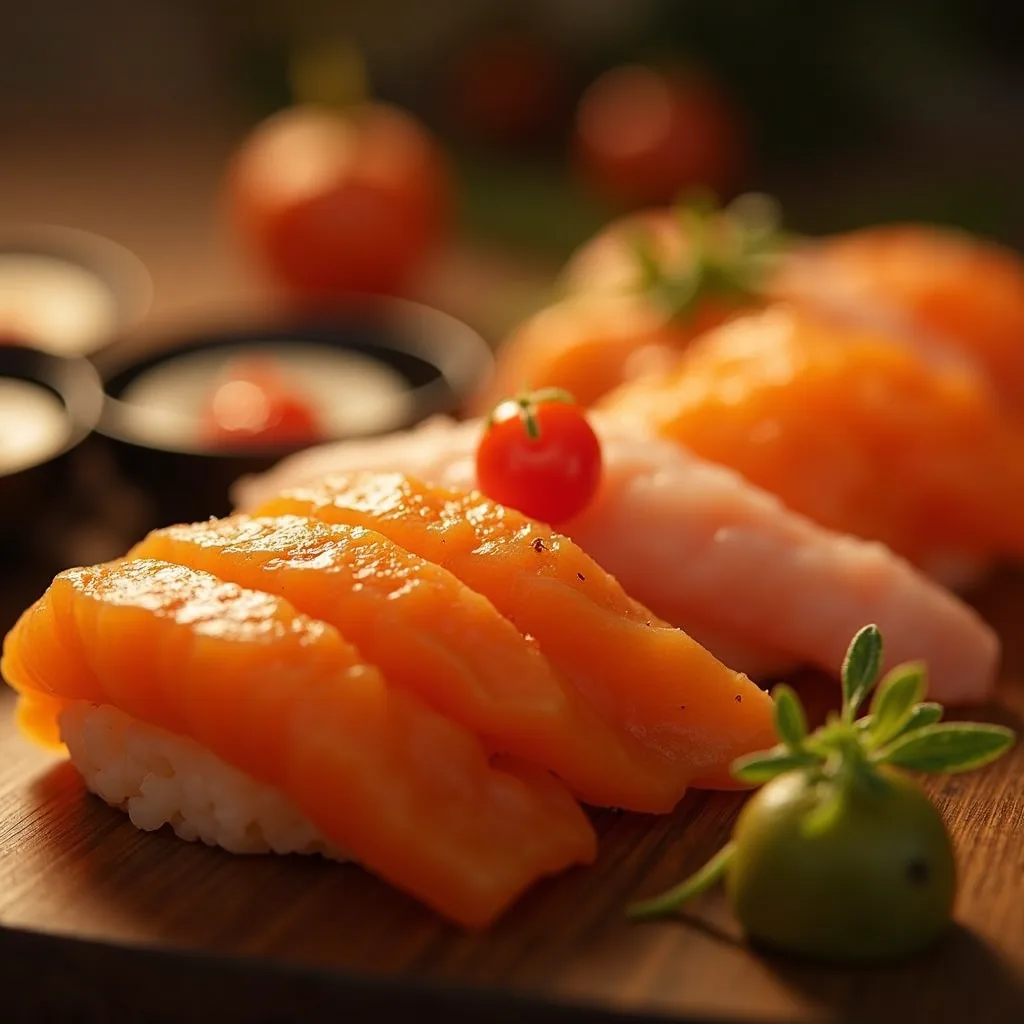
Here's the thing about sushi: it's not just fish. It's nitrogen. It's microbes. It's a story about how rice and fish became a global empire that nearly destroyed itself. And it's not just history. It's a warning. •
The Carb-heavy Origin Story
Sushi didn't start with raw fish. It started with rice that went bad. In Southeast Asia, rice farmers would salt fish and bury it in rice. The rice would ferment. The fish would spoil. But somehow it didn't taste bad. It tasted better.
The first versions weren't appetizers. They were leftovers. Rice porridge. Fermented fish paste. Condiments. They got richer over time. Fermentation became preservation. Preservation became art. •
By the 20th century, sushi was a staple in Edo. A carb-heavy street snack. The working class ate it for breakfast. Not the elite. Not the rich. The poor. And they loved it. That's why it survived. It was cheap, it was fast, and it worked. •
How Refrigeration Rewrote the Human Diet in 100 Years is about how we learned to preserve food without fermentation. But fermentation was the first technology. It's how we learned to make food last. And sushi is still the best example of that today. •
The U.S. Invasion of 1964
After World War II, Okinawa Island became the home of 50,000 American soldiers. That's 20% of the population. They needed food. And they needed sushi. By 1964, the first secessionist sushi restaurant opened in Los Angeles. It didn't sell raw fish. It sold California rolls. And it charged $5. The problem was: Americans didn't want to pay $5 for something that looked like fishy salad. •
But here's the thing: sushi changed during the war. It was no longer fermented rice. It was chilled raw fish on chilled rice. Cooked vegetables. And condiments that didn't exist in Japan. And the problem wasn't the sushi. It was the Americans. They didn't like fish. But they loved the carbs. •
Snow Street is the first story. A fisherman opened a small sushi restaurant in Seattle. Nobody came. Nobody ordered. He kept the food fresh. He made new dishes. And they started coming back. That's when sushi changed. And the U.S. market started taking it. Slowly at first. Then faster. Then everywhere. •
Who Really Profited From the Spice Trade is about understanding how food conquers markets. Sugar, in India, changed.جاج, in the East India Company. And sushi? That's the new spice. A small carb-heavy snack that conquered the world. And it didn't stop there. Not even close. •
The Nitrogen Problem
Here's the thing about sushi: it's a global empire. It's a $500 billion empire. But it's not a stable empire. It's nitrogen. San Francisco sushi restaurants make 20% of their profit off a single unit. But one bad decision and they lose everything. And that's the problem. •
California rolls are the most popular dish. But they're also the most expensive. They cost $15 to make. They cost $30 to sell. And they sell 200% more than traditional sushi. That's the nitrogen problem. Americans love sushi, but they don't want to pay for it. •
The Spice Blend That Conquered Kitchens is about understanding how flavors conquer markets. But sushi didn't conquer with flavor. It conquered with carbs. And that's the problem. It's not about taste. It's about the story behind the carbs.
p>While Japan became obsessed with rice, the U.S. became obsessed with fish. The U.S. sushi market grew from $500 million in 1990 to $50 billion today. But the problem is: Americans don't know what real sushi looks like. They know sushi as white rice with fish flakes. Not real sushi. That's why it's failing. And that's why the empire is unstable. •The Warning in the Fish
Sushi is not a healthy food. And that's why it's failing. It's not about calories. It's about nitrogen. The mercury in sushi fish builds up in American bodies. The parasitic worms in raw fish are still in American sushi. And the antibiotics in imported fish are still in American sushi. •
And that's why it's failing. Americans want sushi but they don't want to pay for it. They want carbs but they don't want to cook. They want flavor but they don't want to learn. And that's the story behind the sushi empire. •
On Food and Cooking is about how food culture evolves. But sushi doesn't evolve. It's a frozen story. And that's why it's failing. It's not about taste. It's about history. •
The Practical Takeaway
Sushi is not healthy. And that's not the story behind the story. The story behind the story is about how we treat food like cars. We buy it fast. We eat it cheap. And we forget about it. But sushi is different. It's not about flavor. It's about history. •
Flavors of the Motherland (Steve Monas) is about how food culture evolves. But sushi doesn't evolve. It's frozen. And that's why it's failing. •
So here's the lesson. Don't buy sushi for flavor. Don't buy sushi for history. Buy sushi for the story. And that story ends. Because sushi is not healthy. It's not sustainable. It's a $500 billion bubble. And it's about to burst. •
Frequently Asked Questions
- Is sushi actually healthy to eat regularly?
- Sushi isn't healthy. But nothing is. The fish is rich. The rice is high in carbs. And the condiments are high in sodium. Eat sushi occasionally. Not daily. •
- Why do Americans pay more for sushi than in Japan?
- Because Americans don't know how to cook rice. They don't know how to fish. They pay for the story. Not the food. That's the difference between a restaurant and a food truck. •
- Will sushi still exist 50 years from now?
- Probably not. It's frozen. It's overvalued. And it's not sustainable. But the culture will survive. Because stories don't die. Only food does. •