The Spice Route Revival
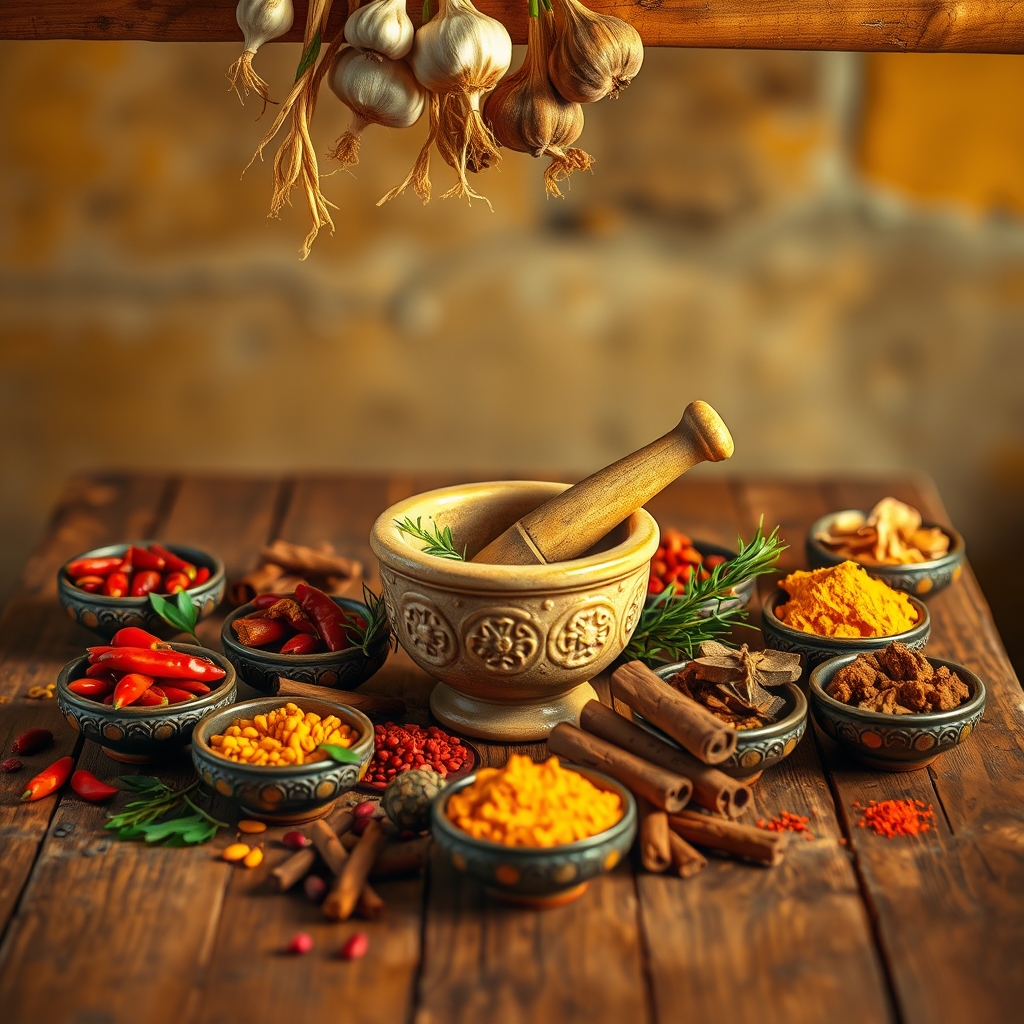
I still remember the first time I walked into a spice market in India - the aroma of cinnamon, cardamom, and cloves hit me like a ton of bricks, and I was hooked. The sheer variety of spices on display was staggering, and I spent hours exploring the different stalls, learning about the various blends and mixes that were used in local cuisine. As I delved deeper into the world of spices, I began to appreciate the significance of the spice route, a network of trade routes that connected the East and the West, facilitating the exchange of spices, textiles, and other precious commodities. The spice route played a crucial role in shaping the culinary landscape of many countries, and its influence can still be seen in the modern cuisine of these regions.
One of the most interesting aspects of the spice route is the way it brought different cultures together, facilitating the exchange of ideas, recipes, and ingredients. The spice route was not just a trade route, but a cultural highway that connected the ancient civilizations of China, India, the Middle East, and the Mediterranean. As traders and travelers moved along the spice route, they carried with them their own unique culinary traditions, which they shared with the people they met along the way. This cross-cultural exchange had a profound impact on the development of local cuisines, as new ingredients and cooking techniques were introduced, and existing ones were adapted and modified to suit local tastes.
The History of the Spice Route
The spice route has a long and complex history, dating back thousands of years. The ancient Egyptians, Greeks, and Romans all traded spices and other luxury goods along the spice route, which stretched from the Mediterranean to the Far East. The route was controlled by various empires and trading powers over the centuries, including the Arabs, the Venetians, and the Portuguese. Each of these powers left their mark on the spice route, introducing new spices, ingredients, and cooking techniques to the regions they controlled. The spice route also played a significant role in the spread of religions, such as Buddhism, Christianity, and Islam, which often traveled along the same trade routes as spices and other commodities.
As I explored the spice route, I was struck by the sheer variety of spices and ingredients that were traded along this network. From the familiar cinnamon, pepper, and cloves, to the more exotic saffron, sumac, and ras el hanout, the spice route was a conduit for the exchange of a vast array of flavors and aromas. Each region along the spice route had its own unique spice blends and mixes, which were used to flavor local dishes and preserve food. The art of blending spices was highly prized, and spice merchants would often spend years perfecting their craft, creating complex and subtle blends that were highly sought after by cooks and chefs.
The Revival of the Spice Route
In recent years, there has been a renewed interest in the spice route, as chefs and food enthusiasts seek to recreate the flavors and aromas of this ancient trade network. The revival of the spice route is driven in part by a desire to reconnect with the culinary traditions of the past, and to explore the rich cultural heritage of the regions that were connected by this network. It is also driven by a recognition of the importance of spices and other ingredients in shaping the flavor and character of local cuisines. As we explore the spice route, we are reminded of the power of food to bring people together, and to transcend cultural and geographical boundaries.
One of the most exciting aspects of the spice route revival is the way it is inspiring a new generation of chefs and food entrepreneurs. From spice blends and mixes, to cookbooks and restaurants, the spice route is providing a rich source of inspiration for culinary innovation. The revival of the spice route is also driving a renewed interest in sustainable and responsible sourcing, as chefs and food enthusiasts seek to reconnect with the people and places that produce the spices and ingredients they use. As we look to the future, it is clear that the spice route will continue to play a vital role in shaping the culinary landscape of our world, inspiring new flavors, aromas, and culinary traditions that will be enjoyed by generations to come.
The Future of the Spice Route
I explored a related angle in Savoring the Flavors of Kyoto if you want to keep pulling this thread.
As we move forward, it is clear that the spice route will continue to evolve and adapt, reflecting changing tastes, trends, and technologies. The rise of online marketplaces and social media has made it easier than ever for spice merchants and food enthusiasts to connect, share recipes, and source high-quality ingredients. The future of the spice route will also be shaped by concerns about sustainability, climate change, and social justice, as chefs and food enthusiasts seek to create a more equitable and environmentally conscious food system. Despite these challenges, I am optimistic about the future of the spice route, and the role it will play in shaping the culinary landscape of our world. The spice route has always been a symbol of cultural exchange, creativity, and innovation, and I have no doubt that it will continue to inspire and delight us for generations to come.