Cuisine
The Myth of the Peasant Diet: Why Poor People Ate Better in the Past Than We Think
This post contains affiliate links. If you purchase through them, I may earn a small commission at no extra cost to you.
The short answer: Historical peasant diets were often more diverse, nutrient-rich, and seasonally aligned than today’s ultra-processed low-income meals, debunking the myth that poor people in the past ate poorly.
What did peasants actually eat in the past?
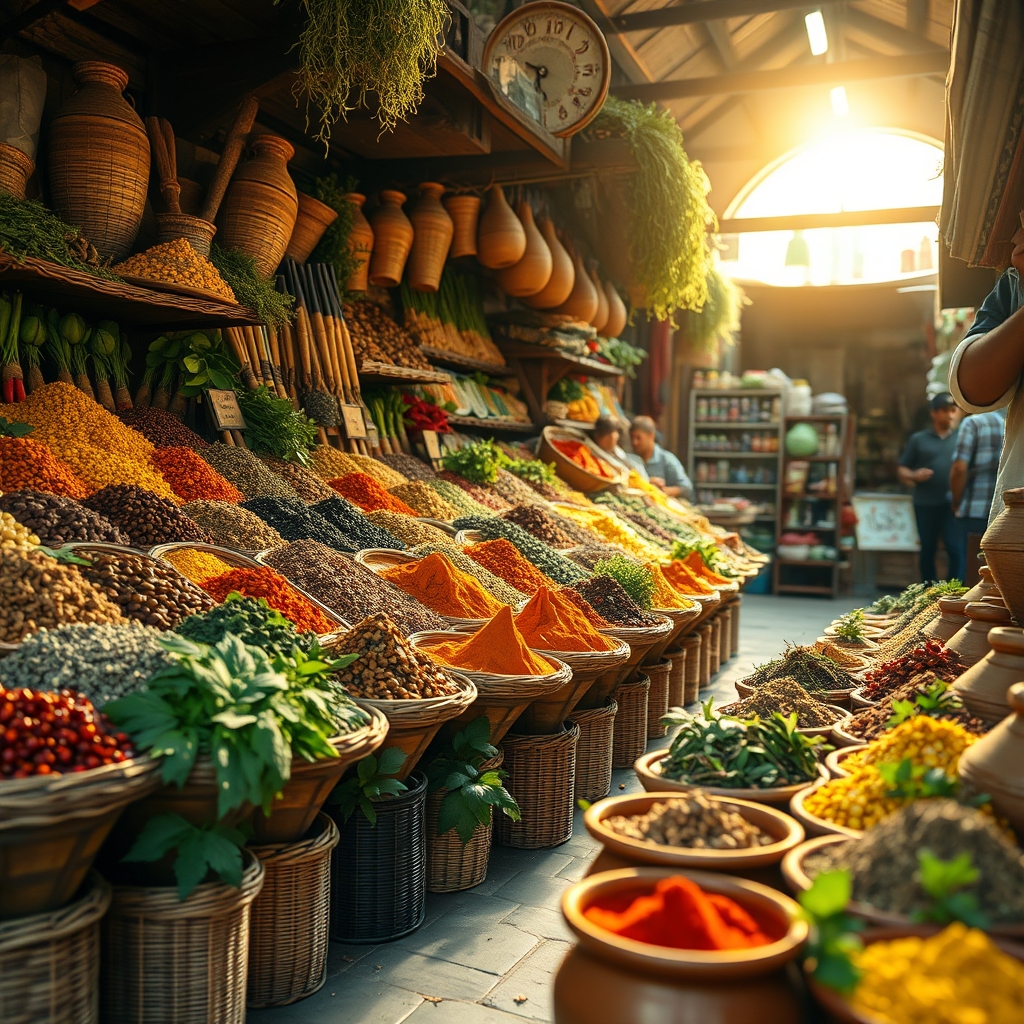
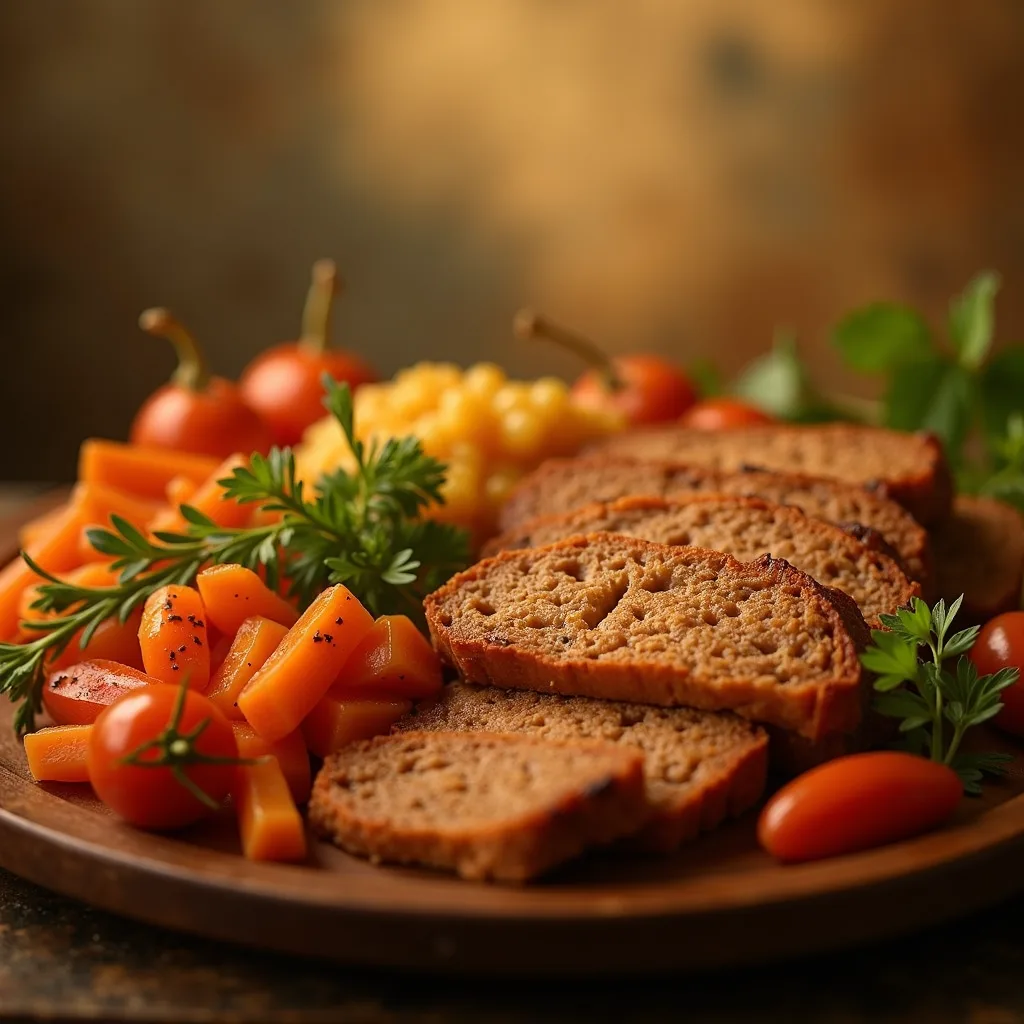
Peasants ate a highly varied, seasonal diet rich in whole grains, fermented foods, vegetables, legumes, and occasional animal products—far from the monotonous stereotype. Contrary to the image of medieval peasants surviving on stale bread and water, most rural populations across Europe, Asia, and Africa had access to a surprisingly broad range of foods. Their diets were dictated by seasonal availability and local agriculture, meaning they rotated crops and preserved foods through fermentation, drying, and salting. In 14th-century England, for example, peasants consumed barley, oats, rye, cabbage, onions, leeks, peas, and even honey-sweetened desserts. In Southern Europe, olive oil, wild greens, and legumes like lentils and chickpeas were staples. Wild plants such as dandelion, nettles, and sorrel were foraged and valued for both flavor and nutrition—something explored in greater depth in What Medieval Feasts Were Actually Like. Even in harsh winters, food preservation techniques ensured continued nourishment. Fermented cabbage (an early form of sauerkraut), smoked fish, dried beans, and stored root vegetables provided essential vitamins and fiber. Compare that to today’s food-insecure households, which often rely on calorie-dense but nutrient-poor options like instant noodles, canned processed meats, and sugary snacks.How were historical peasant diets more nutritious than modern low-income diets?
Peasant diets were built on whole, unprocessed foods grown locally, offering higher levels of fiber, micronutrients, and beneficial microbes than today’s industrialized poverty meals. Modern processed foods—especially those marketed to low-income consumers—are engineered for shelf life and low cost, not nutrition. They’re typically high in refined carbohydrates, sodium, and trans fats, but low in fiber, protein, and essential vitamins. A 2021 study in *The Lancet* found that ultra-processed foods now make up over 60% of the average American diet, with higher consumption among lower-income groups. In contrast, historical peasant diets were naturally whole-food based. Take sourdough bread, a dietary staple for centuries: the fermentation process increases digestibility and nutrient absorption by breaking down phytic acid, a compound that inhibits mineral uptake. This is why The Bread That Tells a Nation's Story highlights how traditional breads weren’t just food—they were nutritional technology. Peasants also consumed lacto-fermented vegetables and dairy (like kefir or skyr), which introduced probiotics long before modern science recognized gut health. Furthermore, animal products weren’t absent—they were used strategically. Offal (organ meats), small game, eggs, and dairy from backyard animals provided dense sources of iron, vitamin B12, and fat-soluble vitamins. Nothing was wasted: bones made broth, and blood was used in sausages or puddings. This nose-to-tail approach contrasts sharply with today’s low-income reliance on cheap, fatty cuts and processed meat analogs with unrecognizable ingredient lists.Why do people believe peasants ate poorly?
The myth stems from romanticized elite histories, modern processed food marketing, and a misunderstanding of historical class dynamics, not actual dietary evidence. Elite chroniclers—like royal scribes or aristocratic travelers—often dismissed peasant food as "crude" or "simple," contrasting it with lavish feasts. However, as shown in Wine as Diplomacy: How Vineyards Shaped International Relations, the wealthy ate for spectacle, not health. Their banquets included sugar (a rare luxury then), exotic spices, and rich meats, but also led to widespread gout and dental decay. Meanwhile, peasants, though laboring hard, often enjoyed better metabolic health due to their active lives and whole-food diets. Modern food companies perpetuate this myth by framing processed foods as "modern," "convenient," and “improvements” over the past. But in reality, industrial food has replaced diversity with uniformity. A bag of potato chips isn’t progress over foraged roots and fermented grains—it’s a trade-off in nutritional quality.How did seasonality and foraging improve peasant diets?
Seasonal eating and foraging ensured a rotating supply of fresh, nutrient-dense foods and reduced dependence on any single crop. Peasant communities followed the rhythm of the land. Spring brought wild greens and fresh herbs. Summer offered berries, tomatoes, cucumbers, and fresh dairy. Autumn was for harvesting grains, apples, and root vegetables. Winter relied on preserved foods, but fermentation and drying retained significant nutrition. Foraging was not a last resort—it was a skill passed through generations. In pre-industrial France, peasants gathered over 50 species of edible plants annually. In Scandinavia, wild mushrooms and berries supplemented diets with antioxidants and vitamin C. This deep food knowledge has been largely lost in modern times, where even “fresh” produce is often picked unripe and shipped thousands of miles, losing nutrients in transit. Modern nutritionists now champion this ancestral model: Michael Pollan’s “Eat food. Not too much. Mostly plants.” echoes peasant wisdom. Books like Salt Fat Acid Heat and On Food and Cooking validate many traditional practices, from fermentation to slow cooking, as scientifically sound.Key Definitions
- Peasant Diet
- A historical, region-specific diet based on locally grown, foraged, and preserved whole foods, typically consumed by rural agricultural populations before industrialization.
- Ultra-Processed Foods
- Industrial formulations made from substances extracted from foods (like hydrogenated oils, modified starches) or synthesized in labs, often high in sugar, salt, and unhealthy fats (e.g., instant noodles, packaged snacks).
- Fermentation
- A traditional food preservation method using microbes to break down sugars, enhancing shelf life, digestibility, and nutritional value—used in products like sauerkraut, yogurt, and sourdough.
- Seasonal Eating
- Consuming foods when they are naturally ripe and abundant in a given region, maximizing flavor, nutrition, and environmental sustainability.
The Bottom Line
Historical peasant diets were diverse, seasonal, and centered on whole, fermented, and foraged foods—making them more nutritious than today’s ultra-processed alternatives for the poor. The myth of the “meager peasant meal” ignores both historical evidence and modern nutritional science, which increasingly validates traditional food wisdom.Frequently Asked Questions
- Did peasants have enough to eat?
- While famines occurred due to war or crop failure, most peasants in stable times had reliable access to calories through grains, vegetables, and preserved foods—though diversity depended on region and climate.
- Was meat completely absent from peasant diets?
- No—meat was consumed sparingly but strategically, often as offal, small game, or preserved forms like bacon or sausages. Poultry and eggs from backyard animals were also common.
- Are traditional diets better than modern ones for low-income people?
- Many traditional practices—like fermenting, seasonality, and whole-grain use—offer superior nutrition compared to ultra-processed modern staples, though accessibility today remains a challenge.