The Lost Libraries of Timbuktu
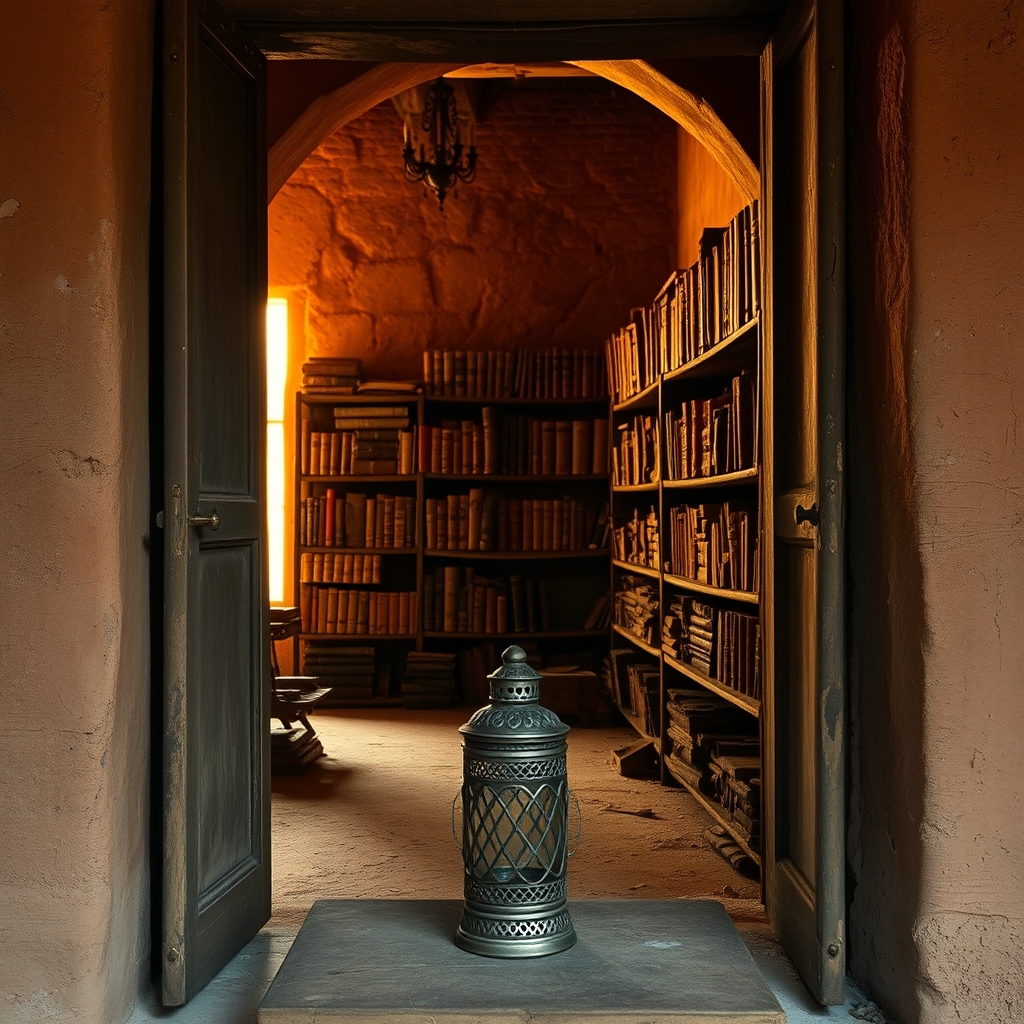
I still remember the first time I heard about the lost libraries of Timbuktu - it was as if I had stumbled upon a treasure trove of ancient secrets, waiting to be uncovered. The mere mention of the city's name conjures up images of a bygone era, of traders and travelers, of scholars and sages. For centuries, Timbuktu was a hub of learning and intellectual curiosity, attracting some of the brightest minds from across the Islamic world. At the heart of this vibrant city were its libraries, repositories of knowledge that housed some of the rarest and most valuable manuscripts in human history.
As I delved deeper into the history of these libraries, I was struck by the sheer scale of their collections. The most famous of these, the Sankore University library, was said to have contained over 700,000 manuscripts, covering everything from astronomy and mathematics to medicine and philosophy. These manuscripts were not just mere copies of existing texts, but often contained original commentaries and insights that shed new light on the subjects they covered. The fact that many of these manuscripts have been lost to the sands of time is a tragedy of immense proportions, a loss that can never be fully recovered.
The Golden Age of Timbuktu
Timbuktu's golden age, which spanned from the 13th to the 16th century, was a time of great cultural and intellectual flourishing. The city's strategic location at the crossroads of the Sahara made it a natural hub for trade and commerce, attracting merchants and travelers from all over the world. But Timbuktu was more than just a commercial center - it was also a beacon of learning, a place where scholars and intellectuals could come to study, debate, and exchange ideas. The city's libraries were at the heart of this intellectual ferment, providing a repository of knowledge that was unparalleled in the Islamic world.
One of the most fascinating aspects of Timbuktu's libraries is the way they reflect the city's cultural diversity. Manuscripts in the libraries were written in a variety of languages, including Arabic, Bambara, and Songhai, reflecting the city's status as a crossroads of different cultures and traditions. The libraries also contained manuscripts on a wide range of subjects, from the sciences and philosophy to literature and history. This diversity of knowledge and culture is a testament to the city's enduring legacy as a center of learning and intellectual curiosity.
The Destruction of the Libraries
Despite their immense cultural and historical significance, the libraries of Timbuktu have faced numerous challenges and threats over the centuries. One of the most devastating blows came in 2012, when Islamist militants occupied the city and set fire to the Ahmed Baba library, destroying thousands of priceless manuscripts. The loss was catastrophic, a cultural tragedy that can never be fully recovered. But even before this devastating event, the libraries of Timbuktu had faced numerous challenges, from neglect and decay to looting and theft.
Today, efforts are being made to preserve and restore the remaining manuscripts, using cutting-edge technology and conservation techniques to protect these fragile artifacts for future generations. It is a daunting task, but one that is essential if we are to recover the lost knowledge of Timbuktu's libraries. As I reflect on the history of these libraries, I am reminded of the power of knowledge to transform and uplift us, to connect us to our past and to each other. The lost libraries of Timbuktu are a reminder of the importance of preserving our cultural heritage, and of the need to protect and promote the values of learning, intellectual curiosity, and cultural diversity.
Uncovering the Secrets of the Past
As we work to uncover the secrets of Timbuktu's lost libraries, we are reminded of the importance of preserving our cultural heritage for future generations. The manuscripts that remain are a window into a bygone era, a testament to the power of human knowledge and ingenuity. By studying these manuscripts, we can gain a deeper understanding of the cultural, intellectual, and historical context in which they were written. We can also recover lost knowledge and insights that can inform and enrich our lives today, from the sciences and philosophy to literature and history.
I explored a related angle in Uncovering the Secrets of Samurai Honor if you want to keep pulling this thread.
For me, the story of Timbuktu's lost libraries is a powerful reminder of the importance of learning, intellectual curiosity, and cultural diversity. It is a story that inspires us to appreciate the value of knowledge and to work towards preserving our cultural heritage for future generations. As we continue to uncover the secrets of the past, we are reminded of the enduring power of human knowledge and ingenuity, and of the importance of protecting and promoting the values that have made human civilization so rich and diverse. The lost libraries of Timbuktu are a treasure trove of ancient secrets, waiting to be uncovered and appreciated by a new generation of scholars, intellectuals, and curious minds.