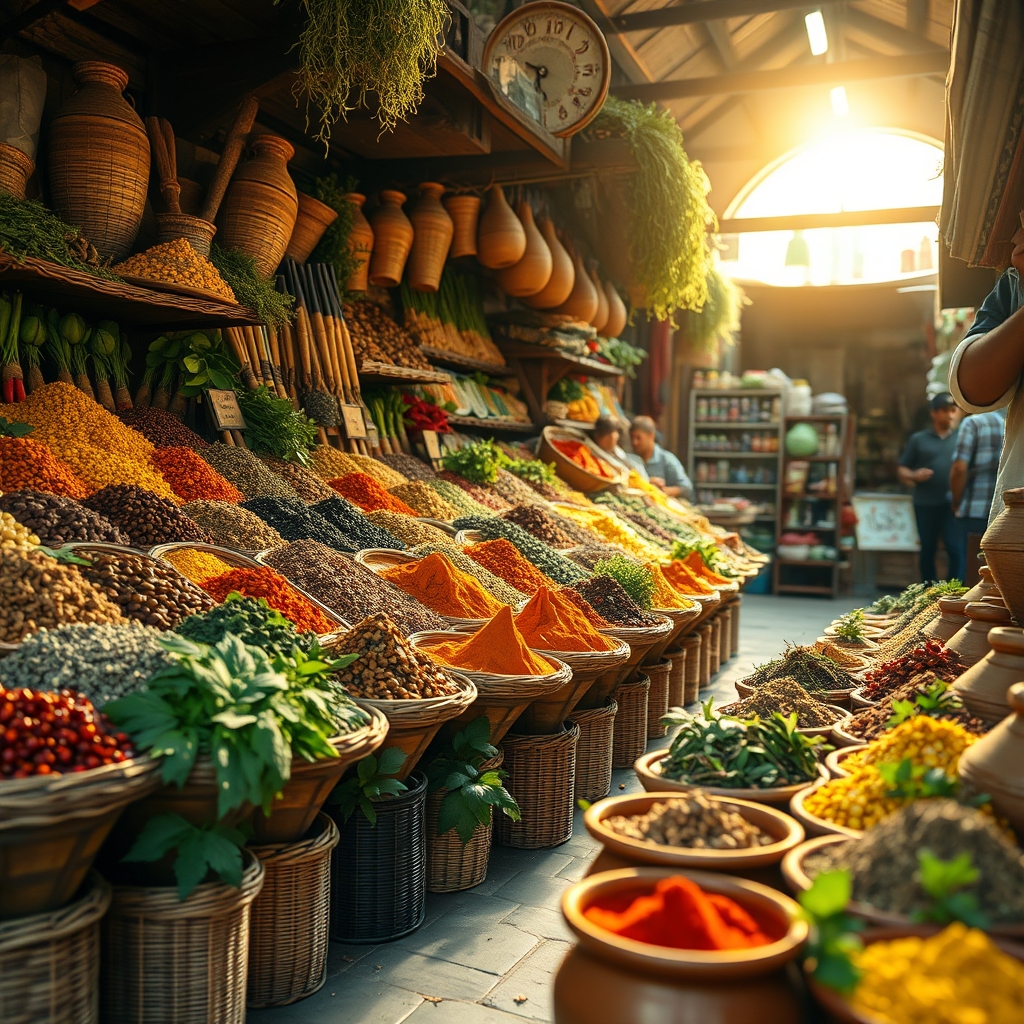
The Forgotten Spice That Changed the World
This post contains affiliate links. If you purchase through them, I may earn a small commission at no extra cost to you.
The Forgotten Spice That Changed the World
The short answer: Black pepper, often overshadowed by other spices, was the most traded and valuable spice in history, shaping empires, trade routes, and cuisines across the globe.
Why Is Black Pepper the Most Important Spice in History?
Because it was the most traded and valuable spice for centuries, driving global commerce and cultural exchange. Black pepper, known as the "king of spices," was so valuable that it was used as currency in some ancient societies. Its trade routes connected different parts of the world, facilitating cultural and economic exchanges that shaped civilizations.
For example, the spice trade routes, particularly those involving black pepper, were crucial in the development of early global trade networks. These routes connected the East with the West, facilitating the exchange of goods, ideas, and technologies. The demand for black pepper was so high that it led to the establishment of powerful trade monopolies and the rise of maritime empires.
In his book Flavors of the Motherland, Steve Monas explores how black pepper and other spices played a pivotal role in shaping the culinary traditions of various cultures. The book highlights the historical significance of black pepper and its impact on global trade and cuisine.
How Did Black Pepper Influence Trade Routes?
Black pepper influenced trade routes by being a highly sought-after commodity that connected different regions of the world. The demand for black pepper led to the establishment of extensive trade networks that spanned continents. These networks facilitated the exchange of not only spices but also other valuable goods, ideas, and technologies.
For instance, the Silk Road, one of the most famous trade routes, was not just about silk but also about the exchange of spices, including black pepper. The spice trade was a significant driver of economic growth and cultural exchange along these routes. The trade in black pepper also led to the development of maritime trade routes, particularly those connecting the Indian subcontinent with the Middle East and Europe.
In Salt Fat Acid Heat, the author discusses how spices like black pepper have been integral to culinary traditions and trade for centuries. The book provides insights into the historical and cultural significance of black pepper and its role in shaping global trade.
What Role Did Black Pepper Play in Shaping Empires?
Black pepper played a crucial role in shaping empires by being a valuable commodity that drove economic growth and political power. The control of the spice trade, particularly black pepper, was a significant factor in the rise and fall of empires. The wealth generated from the spice trade allowed empires to fund military campaigns, build infrastructure, and establish cultural influence.
For example, the Portuguese Empire's dominance in the spice trade, particularly black pepper, was a key factor in its rise to power. The control of the spice trade routes allowed the Portuguese to amass wealth and establish a global empire. Similarly, the Dutch East India Company's monopoly on the spice trade, including black pepper, was a significant driver of its economic and political power.
In The Food Lab, the author explores the historical and cultural significance of spices like black pepper and their impact on global trade and cuisine. The book provides a comprehensive overview of the role of black pepper in shaping empires and trade routes.
Key Definitions
- Black Pepper
- A spice made from the dried fruit of the Piper nigrum plant, known for its sharp, pungent flavor and historical significance as a valuable commodity.
- Spice Trade
- The global trade network that facilitated the exchange of spices, including black pepper, between different regions of the world, shaping economies and cultures.
- Silk Road
- A historic trade route that connected the East and West, facilitating the exchange of goods, ideas, and technologies, including spices like black pepper.
The Bottom Line
Black pepper, often overshadowed by other spices, was the most traded and valuable spice in history, shaping empires, trade routes, and cuisines across the globe. Its trade routes connected different parts of the world, facilitating cultural and economic exchanges that shaped civilizations. The demand for black pepper led to the establishment of powerful trade monopolies and the rise of maritime empires, making it a pivotal commodity in global trade and history.
Frequently Asked Questions
- Why is black pepper considered the most important spice in history?
- Black pepper is considered the most important spice in history because it was the most traded and valuable spice for centuries, driving global commerce and cultural exchange. Its trade routes connected different parts of the world, facilitating the exchange of goods, ideas, and technologies.
- How did black pepper influence trade routes?
- Black pepper influenced trade routes by being a highly sought-after commodity that connected different regions of the world. The demand for black pepper led to the establishment of extensive trade networks that spanned continents, facilitating the exchange of not only spices but also other valuable goods, ideas, and technologies.
- What role did black pepper play in shaping empires?
- Black pepper played a crucial role in shaping empires by being a valuable commodity that drove economic growth and political power. The control of the spice trade, particularly black pepper, was a significant factor in the rise and fall of empires, allowing them to fund military campaigns, build infrastructure, and establish cultural influence.