The Forgotten Library of Ashurbanipal
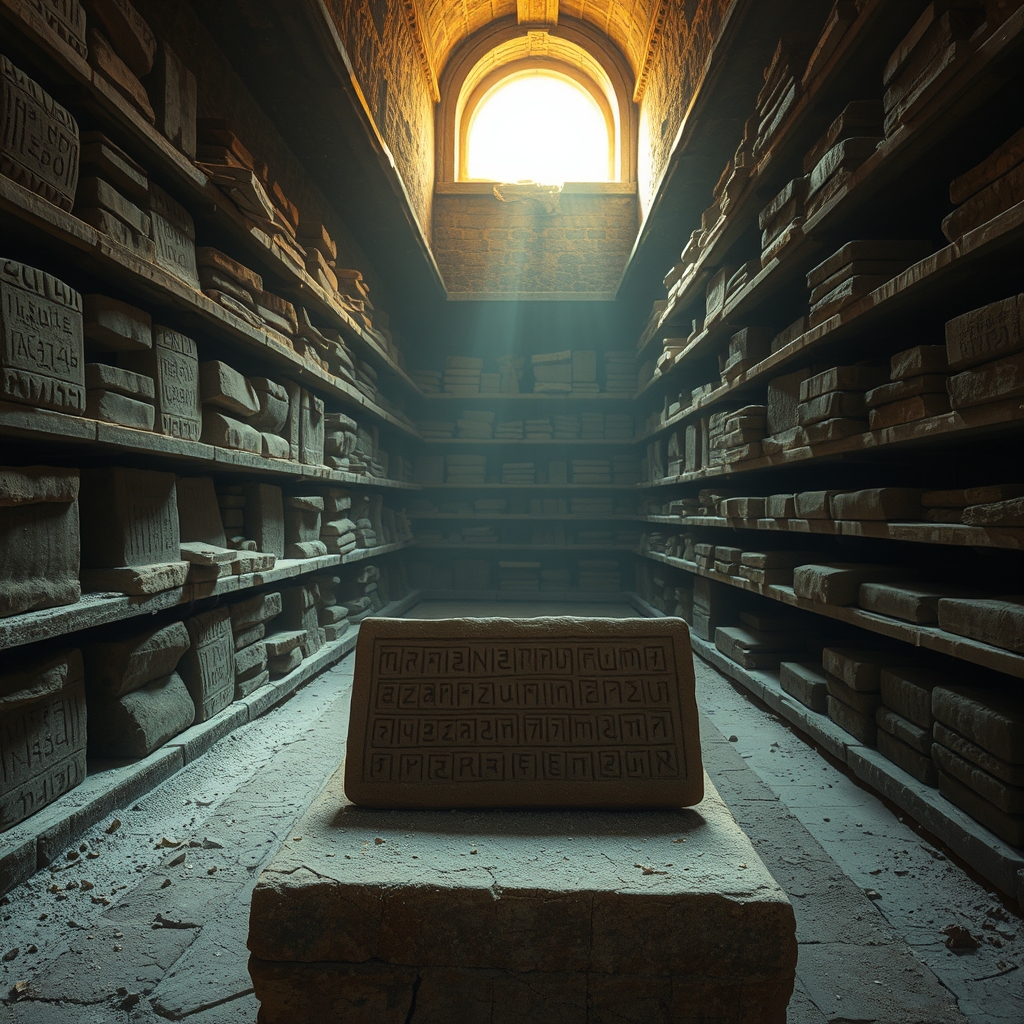
I still remember the first time I stumbled upon the story of the Library of Ashurbanipal. I was deep in the stacks of a university library, researching ancient Mesopotamia for a project. As I delved into the dusty pages of a long-forgotten book, I came across a mention of a vast repository of knowledge hidden away in the ruins of Nineveh. The library, I learned, was built by Ashurbanipal, the last great king of the Neo-Assyrian Empire, who ruled from 668 to 627 BCE. What struck me was the sheer scale of the library - it was said to contain thousands of clay tablets, inscribed with the collective knowledge of the ancient world.
Uncovering the Library's Secrets
As I dug deeper, I discovered that the Library of Ashurbanipal was more than just a collection of texts - it was a window into the culture, politics, and daily life of ancient Mesopotamia. The library's contents were incredibly diverse, ranging from business documents and legal contracts to literary works, medical texts, and even astrological charts. One of the most fascinating aspects of the library is the presence of the Epic of Gilgamesh, one of the earliest surviving works of literature. The epic tale of Gilgamesh, a king who embarks on a quest for immortality, is a testament to the advanced literary traditions of the ancient Mesopotamians.
The library's discovery is a story in itself. In the mid-19th century, archaeologist Austen Henry Layard stumbled upon the ruins of Nineveh, and among the rubble, he found fragments of clay tablets. As excavations continued, thousands more tablets were unearthed, and the extent of the library became clear. The tablets were written in cuneiform script, which was deciphered by scholars in the late 19th century. The deciphering of cuneiform unlocked a treasure trove of information about ancient Mesopotamia, and the Library of Ashurbanipal was at the heart of it all.
The Significance of the Library
The Library of Ashurbanipal is significant not only because of its vast collection of texts but also because of the insight it provides into the intellectual and cultural achievements of ancient Mesopotamia. The library demonstrates a sophisticated understanding of the importance of knowledge and learning, as well as a deep appreciation for the written word. The fact that Ashurbanipal, a king, took such a keen interest in collecting and preserving knowledge speaks to the value placed on education and intellectual pursuits in ancient Mesopotamian society. Furthermore, the library's contents reveal a complex and nuanced culture, with a rich tradition of storytelling, poetry, and scientific inquiry.
Despite its importance, the Library of Ashurbanipal remains somewhat of a mystery. Many of the tablets are still untranslated, and the library's organization and cataloging system are not yet fully understood. However, scholars continue to study the library's contents, and new discoveries are regularly being made. The library's legacy extends far beyond the ancient world, too - it has inspired generations of scholars, writers, and thinkers, and its influence can be seen in the modern libraries and institutions of learning that we have today.
Preserving the Legacy
Today, the Library of Ashurbanipal is a powerful reminder of the importance of preserving our cultural heritage. The library's tablets are scattered across museums and institutions around the world, and efforts are being made to digitize and translate the remaining texts. However, much work remains to be done to ensure the long-term preservation of this incredible resource. As we continue to uncover the secrets of the Library of Ashurbanipal, we are reminded of the enduring power of knowledge and the importance of learning from the past. The library's story is a testament to the human spirit's thirst for knowledge and understanding, and it serves as a powerful inspiration for us to continue exploring, discovering, and preserving our cultural heritage for future generations.
I explored a related angle in The Lost City of Petra: Uncovered if you want to keep pulling this thread.
In the end, the Library of Ashurbanipal is more than just a collection of ancient texts - it is a window into a lost world, a world of incredible sophistication and learning. As we gaze through this window, we are reminded of the importance of preserving our cultural heritage and the need to continue exploring and learning from the past. The story of the Library of Ashurbanipal is a powerful reminder of the enduring power of knowledge and the importance of preserving our collective cultural memory.