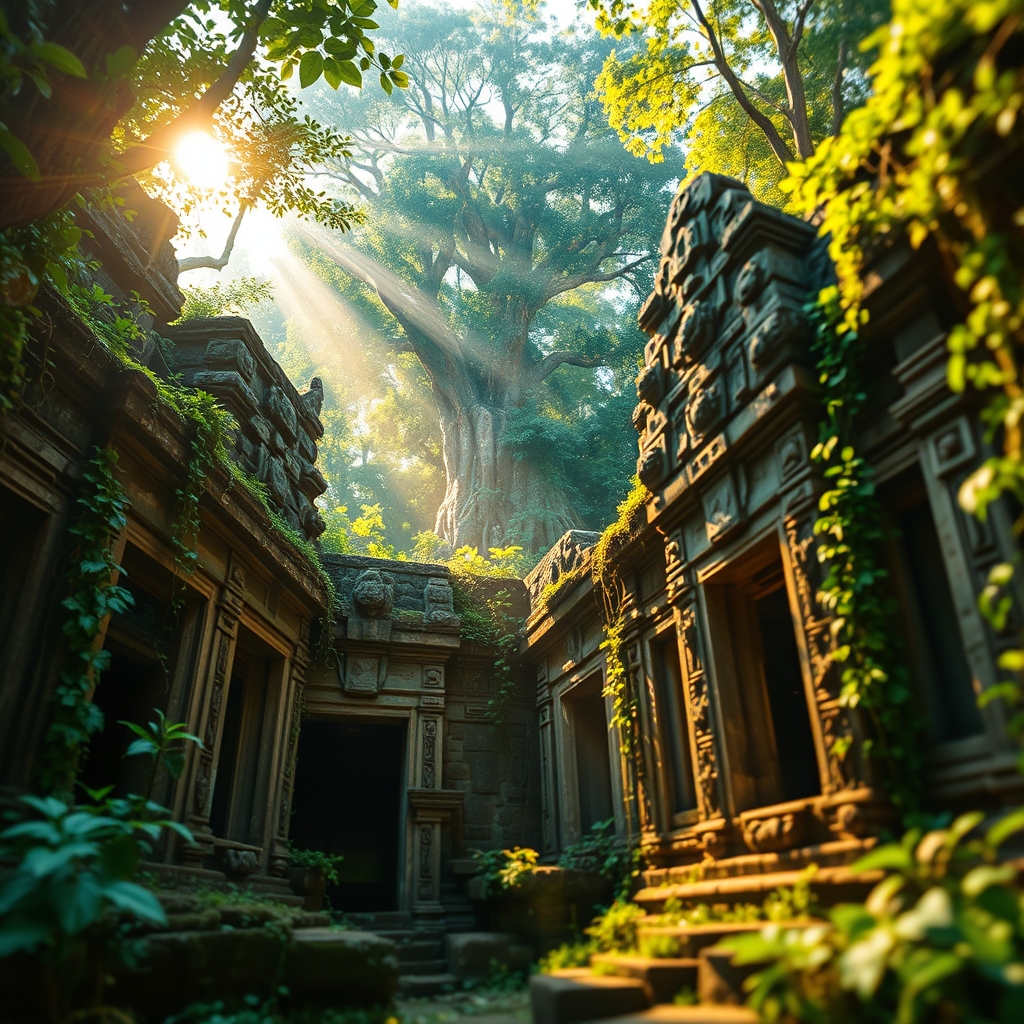
The Forgotten City of Petra

I still remember the first time I laid eyes on the ancient city of Petra, hidden deep within the rugged mountains of Jordan. The sheer scale and majesty of the rock-cut architecture took my breath away, and I knew right then that I had stumbled upon something truly special. As I delved deeper into the history and culture of this forgotten city, I realized that Petra is more than just a fascinating archaeological site – it's a window into the past, a testament to the ingenuity and craftsmanship of the people who once called it home. Uncover the secrets of Petra, and you'll discover a rich tapestry of stories, myths, and legends that have been woven together over centuries.
A Brief History of Petra
Petra was once the thriving capital of the Nabataean Kingdom, a powerful and influential empire that controlled the trade routes between Arabia, Egypt, and the Mediterranean. The city's strategic location allowed it to flourish, and it became a major center of commerce, culture, and learning. The Nabataeans were a remarkable people, skilled in the arts of engineering, architecture, and agriculture. They carved intricate temples, tombs, and monuments directly into the sandstone cliffs, creating a breathtakingly beautiful city that seemed to defy gravity and push the boundaries of human creativity.
As the Roman Empire expanded its reach, Petra became an important outpost, and the city continued to prosper under Roman rule. However, with the decline of the Roman Empire, Petra began to fade into obscurity, and it wasn't until the 19th century that the city was rediscovered by Western explorers. Today, Petra is one of the most famous and iconic tourist destinations in the world, attracting millions of visitors each year. Yet, despite its popularity, the city remains shrouded in mystery, and many of its secrets remain hidden, waiting to be uncovered by intrepid travelers and historians.
Exploring the Ruins of Petra
As you walk through the narrow canyon known as the Siq, the entrance to Petra, you'll catch glimpses of the majestic Al-Khazneh, or Treasury, a towering structure carved into the face of a mountain. The Treasury is just the beginning, however – Petra is a vast and complex site, with numerous temples, tombs, and monuments to explore. The Monastery, or Al-Deir, is another highlight, perched atop a mountain and offering breathtaking views of the surrounding landscape. And then there's the Royal Tombs, a collection of grand, intricately carved monuments that showcase the wealth and power of the Nabataean elite.
One of the most fascinating aspects of Petra is the way it seems to blend seamlessly into the natural landscape. The sandstone cliffs and mountains that surround the city have been shaped by millions of years of erosion, creating a unique and breathtakingly beautiful environment that is both rugged and delicate. As you explore the ruins, you'll begin to appreciate the ingenuity and skill of the Nabataeans, who were able to carve their city directly into the living rock, creating a testament to their craftsmanship that has endured for centuries.
Preserving the Legacy of Petra
Despite its popularity, Petra remains a fragile and vulnerable site, susceptible to the ravages of time, weather, and human impact. The Jordanian government, in partnership with UNESCO and other international organizations, has launched a number of initiatives aimed at preserving the site and protecting it for future generations. These efforts include the restoration of damaged monuments, the development of sustainable tourism practices, and the creation of programs aimed at supporting the local community and promoting cultural heritage.
As I reflect on my own experiences in Petra, I'm reminded of the importance of preserving our cultural heritage, not just for ourselves, but for future generations. Petra is more than just a collection of ancient ruins – it's a window into the past, a testament to the ingenuity and creativity of the human spirit. By uncovering the secrets of Petra, we can gain a deeper appreciation for the history and culture of this remarkable city, and work to ensure that its legacy endures for centuries to come.
In the end, Petra is a reminder that even the most forgotten cities can hold the greatest secrets and surprises. As we continue to explore and learn from this ancient metropolis, we're reminded of the power of human creativity and ingenuity, and the importance of preserving our cultural heritage for generations to come. Whether you're a historian, an archaeologist, or simply a curious traveler, Petra is a destination that is sure to inspire and awe, a true marvel of the ancient world that continues to captivate and fascinate us to this day.