The Art of Sushi Making
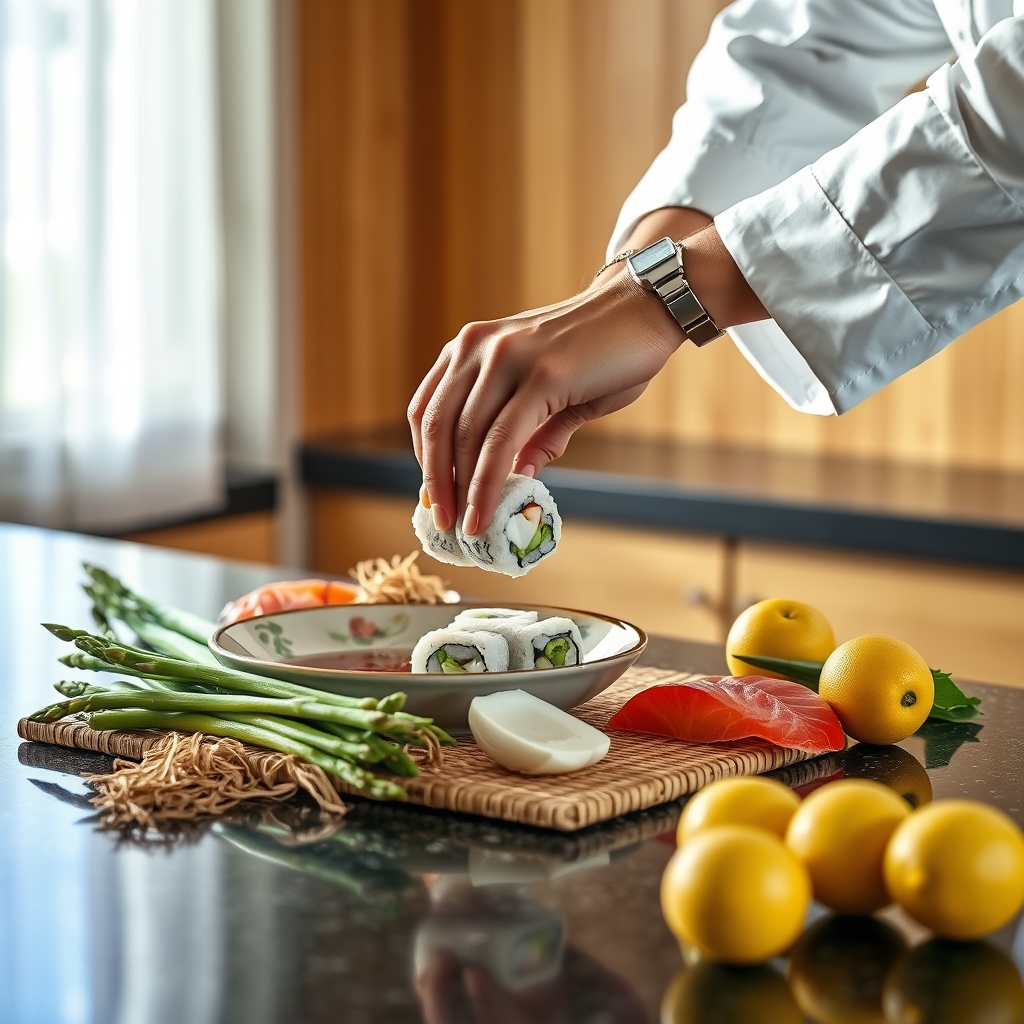
I still remember the first time I witnessed a sushi master at work. The way he handled the fish, the precision with which he sliced the ingredients, and the care he took in crafting each piece of sushi was truly mesmerizing. It was as if I was watching an artist paint a masterpiece, except the canvas was a plate and the brush was a sharp knife. From that moment on, I was hooked on the art of sushi making. I began to learn more about this ancient craft, and what I discovered was a world of precision, patience, and dedication.
Sushi making is not just about combining ingredients and serving them on a plate. It's an art form that requires a deep understanding of the ingredients, the techniques, and the presentation. A good sushi chef must be able to balance flavors, textures, and colors to create a harmonious and visually appealing dish. It's a delicate dance between the chef, the ingredients, and the diner, where every step and every movement is carefully choreographed to create a memorable experience. Whether it's the subtle sweetness of the fish, the crunch of the vegetables, or the creaminess of the sauce, every element plays a crucial role in the overall symphony of flavors and textures.
The Ingredients: The Building Blocks of Sushi
The ingredients used in sushi making are the foundation upon which the entire dish is built. The quality of the ingredients can make or break the sushi, and a good sushi chef knows how to select the freshest and highest-quality ingredients available. From the succulent flesh of the fish to the delicate crunch of the cucumber, every ingredient is carefully chosen for its unique flavor, texture, and aroma. The rice, which is the backbone of sushi, is cooked to perfection to create a delicate balance of sweetness and acidity. The wasabi and pickled ginger add a burst of flavor and a touch of spice, while the soy sauce and sesame oil provide a rich and savory depth to the dish.
In addition to the ingredients, the tools used in sushi making are also an essential part of the craft. The sharp knife, the cutting board, and the sushi mat are all carefully selected and maintained to ensure that every cut, every slice, and every roll is precise and perfect. The sushi chef's hands are also an important tool, as they must be able to feel the texture of the ingredients, sense the temperature of the fish, and apply just the right amount of pressure to shape the sushi into its perfect form. It's a tactile experience that requires a deep connection between the chef, the ingredients, and the tools.
The Techniques: The Art of Shaping and Crafting
The techniques used in sushi making are where the art form truly comes alive. From the basic rolls to the intricate sashimi slices, every technique requires a great deal of practice, patience, and dedication. The sushi chef must be able to shape and craft the ingredients into perfect forms, using a combination of pressure, precision, and flair. The rolling of the sushi is a delicate process that requires a gentle touch, a steady hand, and a deep understanding of the ingredients and their textures. The slicing of the fish is an art form in itself, as the chef must be able to slice the fish into thin, delicate pieces that are both visually appealing and bursting with flavor.
One of the most impressive techniques in sushi making is the creation of sashimi. Sashimi is a delicate dish that consists of thinly sliced raw fish, served without rice or any other ingredients. It's a true test of the chef's skill and craftsmanship, as the fish must be sliced to perfection and served at the perfect temperature. The presentation of sashimi is also an art form, as the chef must be able to arrange the slices of fish into a visually appealing pattern that showcases the beauty of the ingredients. It's a dish that requires a great deal of finesse, flair, and creativity, and is truly a masterpiece of the sushi chef's craft.
The Presentation: The Final Touches
The presentation of sushi is the final touch that brings the entire dish together. A good sushi chef knows how to arrange the ingredients, garnish the plate, and add the final flourishes that make the dish visually appealing and Instagram-worthy. The presentation of sushi is not just about making the dish look good; it's also about creating a sense of drama, anticipation, and excitement. The diner should feel like they are about to embark on a culinary journey, and the presentation of the sushi should be the first hint of the delights that are to come. Whether it's the delicate placement of a slice of ginger, the sprinkle of sesame seeds, or the drizzle of soy sauce, every element of the presentation is carefully considered to create a harmonious and visually stunning dish.
I explored a related angle in Flavors of My Childhood: Heirloom Recipes if you want to keep pulling this thread.
In conclusion, the art of sushi making is a complex and multifaceted craft that requires a deep understanding of the ingredients, techniques, and presentation. It's a world of precision, patience, and dedication, where every element is carefully considered to create a harmonious and visually appealing dish. Whether you're a seasoned sushi lover or just discovering the joys of this ancient craft, the art of sushi making is sure to delight, inspire, and leave you wanting more. So the next time you sit down to a plate of sushi, remember the skill, craftsmanship, and dedication that went into creating this culinary masterpiece, and appreciate the art of sushi making in all its glory.